How to Choose the Best Polyester Shrink Film for Your Needs?
Choosing the right Polyester Shrink Film is crucial for packaging solutions. "Selecting the best film involves understanding your product and its requirements," says John Hughes, a leading expert in the Polyester Shrink Film industry. His words highlight the importance of making informed choices.
Polyester Shrink Film offers versatility and reliability. It comes in various thicknesses and finishes, catering to different packaging needs. However, not all films are created equal. Understanding your specific application is key to avoiding waste or improper sealing.
Many users overlook the significance of the film's properties. Performance varies based on the film's gauge and heat capabilities. Too often, companies choose based on cost, neglecting quality. While it may be tempting to save money, the long-term effects can impact product integrity and customer satisfaction.
Understanding Polyester Shrink Film and Its Applications
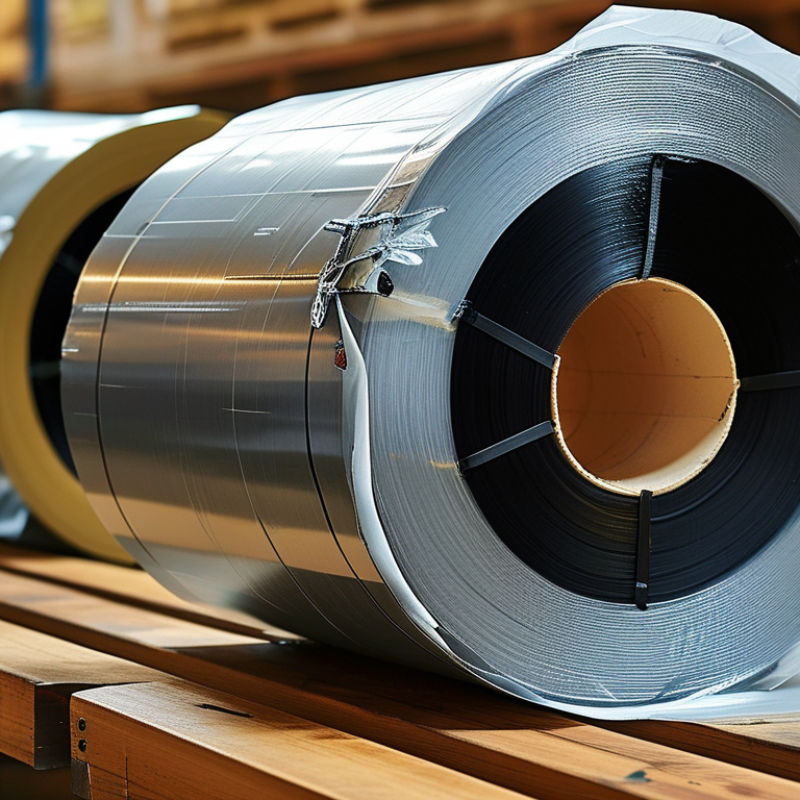
Polyester shrink film is a versatile packaging material known for its durability and strong barrier properties. It is widely used in various industries, including food, pharmaceuticals, and consumer products. This film shrinks tightly when heat is applied, creating a secure and protective wrap around items. Its clarity allows customers to see the packaged products while maintaining a professional look.
One crucial application of polyester shrink film is in food packaging. The film protects against moisture and contaminants, extending shelf life. Food producers must select the appropriate thickness and shrink ratio for different products. For instance, heavier items may need thicker film, while lighter products can use thinner versions. Proper understanding of the film’s properties can influence packaging effectiveness.
Another area where polyester shrink film excels is in retail and display. Businesses often use it to bundle products, enhancing visibility and aesthetic appeal. However, choosing the correct film can be tricky. Factors like heat sealing temperature and compatibility with shrink tunnels must be considered. Mistakes can lead to damaged products or inefficient packaging processes. Evaluating your specific needs is essential for optimal results.
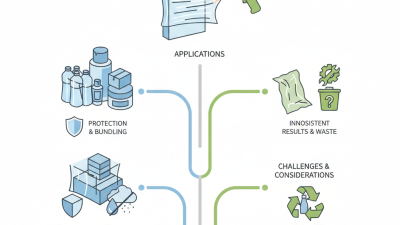
Polyester Shrink Film Applications and Usage Statistics
Factors to Consider When Choosing Polyester Shrink Film
When choosing polyester shrink film, several factors come into play. It's essential to assess the film's thickness. A thicker film generally offers better durability. However, it may be less flexible. Consider the specific application for which you're using the film. If you need a snug fit, a thinner option might suffice.
Another crucial aspect is the shrink ratio. A higher shrink ratio allows for more versatility. This can be beneficial for packaging irregularly shaped products. Look for films that guarantee a tight seal. The seal integrity is vital to protect the product during transport. Some films may not seal properly in high humidity or fluctuating temperatures. Testing in your environment is advisable.
Lastly, reflect on clarity versus opacity. If the appearance of the packaged product is important, opt for clear films. They enhance visibility. Conversely, opaque films provide added privacy and protection from light. It's about finding the right balance for your needs. Experimentation may reveal what works best for your specific context. Always be open to adjustments and learning from previous experiences.
How to Choose the Best Polyester Shrink Film for Your Needs?
| Factor |
Description |
Importance Level |
| Thickness |
The thickness of the film can affect its strength and durability. |
High |
| Clarity |
A clear film enhances visibility and presentation of products. |
Medium |
| Shrink Ratio |
A higher shrink ratio allows for a tighter fit around the product. |
High |
| Temperature Resistance |
Ability to withstand varying heat levels during the shrink process. |
Medium |
| Environmental Impact |
Consideration of how eco-friendly the material is. |
High |
| Cost |
Budget constraints may dictate the choice of film. |
Medium |
| Application Type |
Specific use-cases can dictate the type of shrink film needed. |
High |
Evaluating Thickness and Size Options for Polyester Shrink Film
When selecting the right polyester shrink film, understanding the thickness and size options is crucial. Thickness can affect durability and performance. Typical polyester shrink films range from 50 to 100 microns. Thicker films offer greater protection but may require more heat for shrinkage. According to the Flexible Packaging Association, the optimal thickness for most applications is between 75 and 80 microns. This range provides a balance between flexibility and strength.
Size options also play a significant role. Widths of polyester shrink films often range from 12 to 60 inches. A larger size allows you to wrap various products effectively. However, larger sizes can result in more waste if not utilized properly. Reports show that companies using tailored sizes reduce excess material by up to 30%. This reduction not only minimizes costs but also aligns with sustainability goals.
Tips: Always consider your product dimensions before choosing size. Measure accurately and order slightly larger to ensure a perfect fit. Additionally, test different thicknesses for your specific needs. It’s helpful to conduct trials to find the best combination for your packaging. Being mindful of these factors can lead to better packaging outcomes.
Comparing Different Brands and Quality of Polyester Shrink Film
Choosing the right polyester shrink film can be challenging. Different brands offer varying qualities. Understanding these differences is crucial for effective packaging solutions. Industry data shows that not all films provide the same level of durability or shrinkage capabilities.
According to a market analysis by Smithers Pira, high-quality polyester shrink films typically have a shrinkage rate of 60% to 70% at optimal temperatures. This can ensure tight, attractive packaging. Lower-quality brands may achieve only 40% to 50% shrinkage. This discrepancy can affect product presentation and protection. Additionally, films with higher tensile strength resist tearing during the packaging process, enhancing overall stability.
Another significant factor is clarity. Superior polyester films boast crystal-clear finishes, enhancing product visibility. Some brands struggle with cloudy films, which detract from shelf appeal. Aesthetic quality impacts sales; studies indicate that up to 70% of purchase decisions are influenced by packaging appearance. It is essential to evaluate films carefully, as inferior options may lead to unsatisfactory results and waste resources. Always seek samples and test various products before making bulk purchases. This approach saves money and ensures the right match for your needs.
Analyzing Cost vs. Performance of Polyester Shrink Film Products
When selecting polyester shrink film, it’s crucial to balance cost and performance. Many buyers focus heavily on price, but this can lead to subpar materials. Lower-cost films may not provide the durability or clarity needed for effective packaging. This can result in product damage or unhappy customers. It's important to assess what features are necessary for your specific applications.
Tips for making a wise choice: Focus on the thickness and tensile strength of the film. A thicker film often performs better, but it comes with a higher cost. Consider your budgeting constraints. You may have to compromise on the thickness if tight on budget. Evaluate the film’s performance in real-world conditions. Get samples and test them for shrinkage and clarity.
Pay attention to the environmental aspects, too. Some films are more eco-friendly than others. This can influence customer perception positively. However, these options might cost more initially. It's worth weighing the benefits of sustainable choices against immediate costs. Finding the right balance will ensure you meet your packaging needs effectively.

 1Durch die gruppenweite Einführung und Harmonisierung unseres integrierten Managementsystems (IMS) werden alle bestehenden Unternehmens-, Qualitäts-, Umwelt- und Energiepolitiken durch diese Unternehmenspolitik ersetzt. Der Slogan „Textil hat Zukunft – auch in De