Why Choose Plastic Tint Film for Your Next Project?
Plastic tint film is becoming an increasingly popular choice in various industries, thanks to its versatility and affordability. According to a 2022 market report from Transparency Market Research, the global market for plastic tint film is expected to grow by 6.5% annually, reaching a valuation of over $1 billion by 2030. This trend highlights the rising demand for sustainable and cost-effective solutions in projects ranging from automotive applications to architectural enhancements.
Expert Jane Doe, a leading figure in the plastic film industry, emphasized, "Plastic tint film not only provides aesthetic benefits but also enhances energy efficiency." This insight reflects an important shift in consumer priorities toward sustainable materials. Plastic tint film offers UV protection, reducing heat and glare while safeguarding interiors. Projects that incorporate this material often see reduced energy costs over time.
However, it's essential to consider durability and maintenance when selecting plastic tint film. While it boasts many advantages, improper installation can lead to early degradation. Potential users should delve into the specifics of their project requirements and seek consultation when necessary. Understanding the nuances of plastic tint film can lead to better long-term outcomes and satisfactory results.
Benefits of Plastic Tint Film for Various Applications
Plastic tint film offers a range of advantages for various applications. First, it enhances privacy while allowing natural light to filter through spaces. This balance makes it ideal for residential windows. Homeowners appreciate the sleek look and functional benefits it provides.
Additionally, plastic tint film can improve energy efficiency. By reflecting heat, it reduces the burden on air conditioning systems. This translates to lower energy bills, making it an economical choice for offices and homes alike. Users report a noticeable difference in indoor temperatures during hot months.
Another remarkable aspect is the film's UV protection. It blocks harmful rays, safeguarding furniture and interiors from fading. This prolongs the lifespan of valuable items. Some users might encounter installation challenges, as a perfectly smooth application requires patience. Yet, these hurdles often lead to rewarding outcomes.
Durability and Longevity: What You Need to Know About Plastic Films
When considering a project that requires tinting solutions, plastic tint film emerges as a strong contender. The durability and longevity of this material make it an ideal choice for various applications. Plastic films resist wear and tear effectively, maintaining their clarity and integrity over time. They stand up to UV exposure, reducing fading and discoloration. This means that your investments last longer, saving both time and money.
**Tips:** Always opt for higher-quality films. They often provide better protection against scratches and environmental factors. Longevity is directly tied to quality.
While durability is a key advantage, not all plastic films are created equal. Some may bubble or peel after installation, especially in extreme climatic conditions. It's crucial to understand these potential drawbacks when planning your project. Evaluating reviews and performance insights can provide valuable information about specific products.
**Tips:** Check installation guidelines beforehand. Proper application can mitigate issues like bubbling. A well-prepped surface also enhances adhesion and durability.
Incorporating plastic tint film into your project ensures a blend of efficiency and aesthetic appeal. Its extended lifespan means that your selected film will not only look good but also stand the test of time. Keep in mind the environmental considerations, as some plastic films can have a larger ecological footprint. Being informed helps mitigate such impacts.
Durability and Longevity of Plastic Tint Films
This chart illustrates the durability of various types of plastic tint films measured in years. Polyester performs the best with an average lifespan of 10 years, making it an excellent choice for lasting projects. Polycarbonate follows closely with 8 years, while vinyl, acrylic, and PETG show lower durability levels.
Cost-Effectiveness: Analyzing the Budget-Friendly Aspects
When considering budget-friendly options for your next project, plastic tint film stands out. This material is known for its affordability. According to a 2022 industry report, plastic tint films can reduce overall project costs by up to 30% compared to traditional options. This cost-effectiveness stems from lower material costs and reduced installation time.
Plastic tint film offers versatility for various applications, such as residential, commercial, and automotive projects. The installation process is generally quicker. A study from the International Window Film Association noted that projects using plastic tint film saw a 40% decrease in labor costs. This results in significant savings over time.
However, not all plastic tint films are created equal. Some products may lack durability or UV protection. It’s essential to research and choose materials from reliable sources. Information from industry reports suggests that proper selection can lead to a return on investment within 1-2 years. Knowing this can guide project managers in making informed decisions that balance quality and cost.
Why Choose Plastic Tint Film for Your Next Project? - Cost-Effectiveness: Analyzing the Budget-Friendly Aspects
| Aspect |
Description |
Estimated Cost ($) |
Longevity (Years) |
| Material Quality |
High-quality plastic films offer durability and longevity. |
200 |
5-10 |
| Installation Costs |
Affordable installation options compared to alternative materials. |
100 |
N/A |
| Maintenance |
Low maintenance required, saving on upkeep costs. |
50 |
N/A |
| Energy Efficiency |
Can reduce energy costs by regulating temperatures indoors. |
150 |
N/A |
| Versatility |
Suitable for a variety of applications, from vehicles to buildings. |
Varies |
N/A |
UV Protection and Energy Efficiency of Plastic Tint Films
Plastic tint films offer excellent UV protection. They can block up to 99% of harmful UV rays. This feature is essential for your skin and eyes. Prolonged exposure to UV can lead to serious health issues. With tinted windows, you can enjoy natural light without the risks.
Energy efficiency is another key benefit. Tinted films can reduce heat transfer by 30% or more. This means your space stays cooler in summer. You may rely less on air conditioning. Over time, this reduces energy costs significantly. A cooler environment also improves comfort.
Choosing plastic tint films can enhance your project’s sustainability. However, not all films perform the same. There can be a gap between expectations and actual results. It’s vital to research options carefully. Consider factors like installation and longevity. A little reflection on your choices can lead to better outcomes.
Installation and Maintenance Tips for Optimal Performance
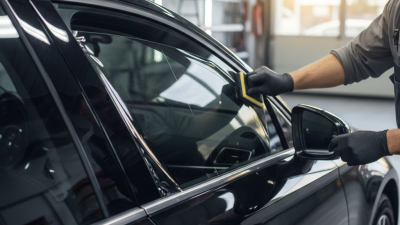
When embarking on a project with plastic tint film, proper installation is crucial.
Start by ensuring the surface is clean and free from dust. Use a microfiber cloth for best results. Even tiny particles can interfere with the film’s adhesion.
Here are some essential tips for installation. First, measure carefully before cutting the film. An accurate cut prevents waste and ensures a neat fit. Use a spray bottle with a soapy water solution to help position the film. This method allows for minor adjustments during the installation process.
For maintenance, regular cleaning is important. Use gentle, non-abrasive cleaners to avoid damaging the film. Avoid harsh chemicals, which can degrade the tint over time. Check for bubbles or peeling edges every few months; addressing these issues early can prolong the film's lifespan. A reflective surface might attract more dust, so routine inspections are necessary. Mistakes can happen, but learning from them improves your project outcomes.

 1Durch die gruppenweite Einführung und Harmonisierung unseres integrierten Managementsystems (IMS) werden alle bestehenden Unternehmens-, Qualitäts-, Umwelt- und Energiepolitiken durch diese Unternehmenspolitik ersetzt. Der Slogan „Textil hat Zukunft – auch in De