How to Choose the Right Plastic Tint Film for Your Vehicle?
Choosing the right plastic tint film for your vehicle can seem daunting. According to a recent industry report, the global demand for plastic tint film is projected to grow by 9.5% annually. This growth is due to increased interest in vehicle protection and aesthetics. Experts emphasize the importance of selecting quality materials for longevity.
John Smith, a noted expert in automotive films, states, "Not all plastic tint films are created equal." His insight highlights the need for careful evaluation of options. Factors such as UV protection, heat rejection, and visibility should influence your decision. Many consumers overlook these elements, focusing instead on price alone.
Exploring various brands can reveal significant differences. Some films provide better durability and aesthetic appeal. Others may have limitations that affect their performance. Consumers should weigh these factors to make informed choices. Remember, the wrong plastic tint film could lead to regret and additional costs in the future.
Types of Plastic Tint Films Available for Vehicles
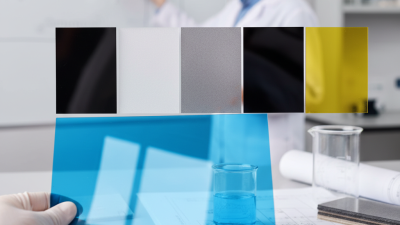
When selecting a plastic tint film for your vehicle, it’s essential to understand the various types available. The primary categories include dyed, metalized, and ceramic films. Dyed films, for example, are popular for their color options. They block UV rays effectively. However, they may fade over time, making durability a concern.
Metalized films use tiny metallic particles to reflect heat and reduce glare. This type often improves the energy efficiency of your vehicle. Nonetheless, metalized films can interfere with radio signals and GPS. A recent industry report noted that 30% of users experienced connectivity issues with these films.
Ceramic films, on the other hand, offer the best performance. They are durable and do not fade. Ceramic films reject heat effectively without interfering with signals. Their high price point can be a drawback. A survey indicated that 25% of consumers would consider the long-term benefits worth the initial cost. Understanding these options helps in making informed choices.
How to Choose the Right Plastic Tint Film for Your Vehicle? - Types of Plastic Tint Films Available for Vehicles
| Tint Film Type |
Visibility Light Transmission (%) |
UV Protection (%) |
Heat Rejection (%) |
Warranty (Years) |
| Dyed Window Film |
5-50% |
99% |
30% |
1-5 |
| Metalized Window Film |
5-50% |
99% |
40-70% |
5-10 |
| Ceramic Window Film |
5-70% |
99% |
50-80% |
10-15 |
| Laminated Window Film |
5-50% |
99% |
35-55% |
5 |
Factors to Consider When Choosing Plastic Tint Film
When selecting plastic tint film for your vehicle, multiple factors come into play. The type of film matters significantly. There are dyed, metalized, and ceramic options available. Dyed films offer a sleek appearance, while metalized films provide better heat rejection. Ceramic films represent the premium choice, blocking UV rays and heat effectively. According to a market analysis, the global automotive window film market is projected to grow by 5.6% annually over the next six years. This trend underlines the increasing focus on quality and performance.
Another crucial consideration is the percentage of tint darkness. Many states have regulations governing how dark your windows can be. A film that is too dark may lead to legal complications. The visible light transmission (VLT) percentage is vital. Films with a VLT of 35% allow enough light while still providing privacy. Poorly chosen films might not meet inspection standards. Additionally, long-lasting adhesives are essential. Some lower-quality films peel or bubble over time, compromising aesthetics and functionality.
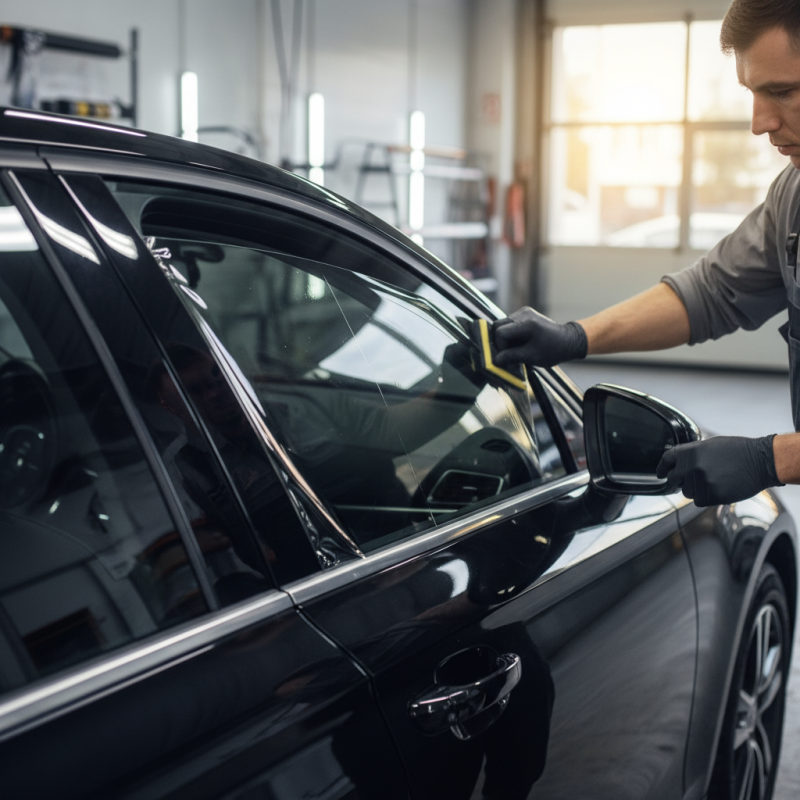
Installation is another pivotal element. Professionals often recommend proper application for optimal results. Do-it-yourself installations may seem cost-effective but can lead to errors. Misalignment or air bubbles can ruin the final look. Reports indicate that improper installation decreases the lifespan of tint films significantly. Reflect on these factors as you choose your vehicle's tint film to avoid costly mistakes in the long run.
Legal Regulations for Vehicle Window Tinting in Your Area
When choosing plastic tint film for your vehicle, it's essential to understand local legal regulations. Each state or region has specific laws governing the darkness and reflective properties of window tint. Some areas allow more lenient restrictions, while others enforce strict guidelines. This inconsistency can make it challenging for vehicle owners. Research local laws thoroughly to avoid potential fines.
Understanding these regulations helps you make informed choices. For instance, some states may permit a darker tint on back windows but restrict the front windows' darkness. It's not uncommon to feel overwhelmed by the information. Keep in mind that using a tint that exceeds the legal limit could lead to issues during vehicle inspections. Many people overlook these details.
It’s crucial to balance aesthetics with compliance. Consider opting for a lighter film that still provides UV protection without risking fines. Remember, failing to adhere to regulations can lead to the uninstallation of your tint, resulting in wasted time and money. Don't ignore local guidelines; staying informed can lead to a more enjoyable driving experience.
Installation Methods for Plastic Tint Film
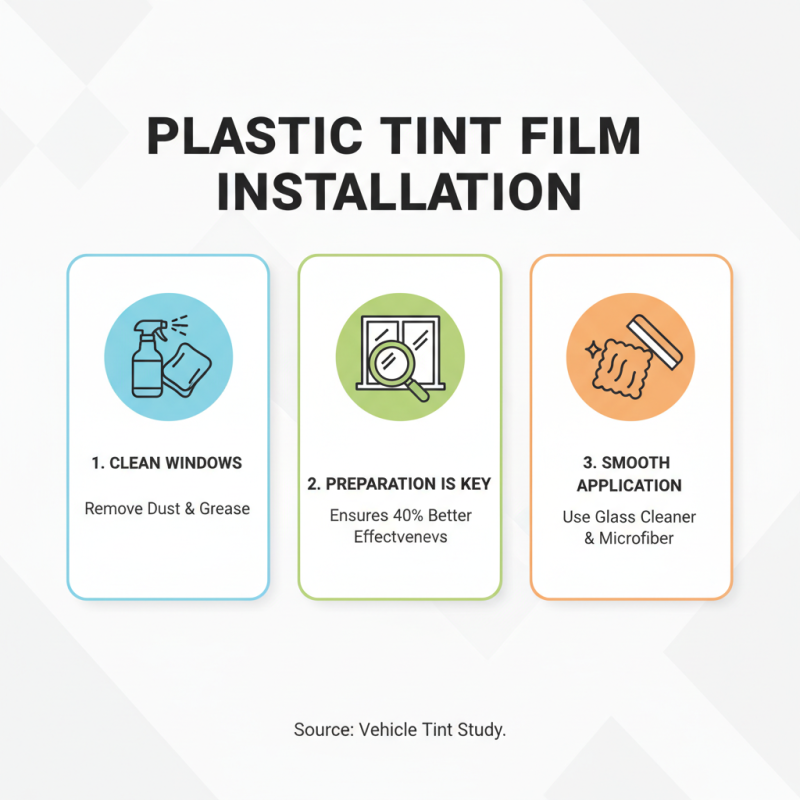
When it comes to installing plastic tint film, preparation is key. Start by thoroughly cleaning your vehicle's windows. Dust and grease can ruin your installation. A recent study indicated that improper preparation can reduce film effectiveness by up to 40%. Use a glass cleaner and a microfiber cloth for best results. Removing dirt will ensure a smooth application.
For installation, there are two main methods: the wet method and the dry method. The wet method involves spraying a soapy water solution onto the window before applying the film. This technique allows for repositioning the film easily before it sticks. Conversely, the dry method is quicker but requires precision during application. Less than 30% of installers have reported using the dry method successfully without bubbles or creases.
People often overlook the importance of environmental factors. Temperature and humidity play a crucial role in the outcome. Studies show that extreme temperatures can affect the adhesive properties of the film. Many installers recommend working in a controlled environment, ideally between 70°F and 80°F. However, achieving this condition in every situation can be challenging. Real-world conditions may lead to unexpected results. Thus, patience and practice are crucial for a successful installation.
Maintenance Tips for Long-lasting Plastic Tint Film
When it comes to maintaining plastic tint film, proper care is essential. Regular cleaning is a must. Use a soft cloth and a gentle cleaner to avoid abrasions. Reports indicate that improper cleaning can damage the film, reducing its lifespan by up to 50%. Avoid ammonia-based cleaners, as they can cause fading and discoloration.
Another key factor is applying a protective sealant. A sealant can extend the life of the tint film by creating a barrier against UV rays and environmental contaminants. Research shows that vehicles with protective coatings last longer and maintain their appearance better.
It’s important to inspect the film periodically for any signs of peeling or bubbling. Early detection can prevent worsening issues. Keeping an eye on edges is critical because they are often the first to show wear. If you notice any damage, consult a professional. Delaying repairs may lead to more extensive problems down the line. Care requires vigilance, but the rewards of a well-maintained tint film are worth the effort.
Plastic Tint Film Types and Their UV Protection Levels

 1Durch die gruppenweite Einführung und Harmonisierung unseres integrierten Managementsystems (IMS) werden alle bestehenden Unternehmens-, Qualitäts-, Umwelt- und Energiepolitiken durch diese Unternehmenspolitik ersetzt. Der Slogan „Textil hat Zukunft – auch in De