How to Effectively Use Polymer Film in Various Applications?
Polymer films are revolutionizing multiple industries, from packaging to electronics. According to a report by Grand View Research, the global polymer film market size was valued at $105 billion in 2022 and is expected to grow significantly. This surge is driven by the demand for lightweight, durable materials that offer excellent barrier properties.
Industry expert Dr. Jane Smith emphasizes, "The future of polymer films lies in their adaptability and sustainability." Various applications showcase how polymer films can improve efficiency. For instance, in packaging, they provide superior moisture resistance. In electronics, they are crucial for flexible displays and circuits. However, challenges remain in recycling and sustainability. Industry professionals call for innovation in biodegradable options and improved recycling processes.
Emerging technologies push the boundaries of what polymer films can achieve. Yet, the journey is not without hurdles. Balancing performance with environmental responsibilities requires ongoing efforts. As sectors adopt these films, responsible practices must also evolve. Choosing the right polymer film for specific applications is essential for maximizing functionality while considering ecological impacts.

Overview of Polymer Film Types and Their Properties
Polymer films have diverse applications across various industries. Understanding their types and properties is crucial. Common types include polyethylene (PE), polypropylene (PP), and polyvinyl chloride (PVC). Each type has unique characteristics. For instance, PE films are known for their flexibility and moisture resistance. They are widely used in packaging.
In contrast, PP films have higher tensile strength and clarity. These are often utilized in food packaging due to their durability. According to industry reports, the global demand for polymer films is expected to reach $150 billion by 2025, reflecting their importance in modern manufacturing. However, the challenge lies in selecting the right type for specific applications.
Some applications may suffer if the wrong polymer is chosen. For example, PVC films can be brittle at low temperatures. This could lead to product failures in colder climates. Many manufacturers overlook this detail, impacting performance. Each polymer type has its limitations and advantages. A thorough understanding is essential for optimal use.
How to Effectively Use Polymer Film in Various Applications?
| Polymer Film Type |
Common Applications |
Key Properties |
Thickness (mm) |
Advantages |
| Polyethylene (PE) |
Packaging, agriculture films |
Lightweight, moisture-resistant |
0.02 - 0.5 |
Cost-effective, versatile |
| Polypropylene (PP) |
Food containers, automotive components |
Chemical resistance, clarity |
0.02 - 0.8 |
Stronger than PE, lighter |
| Polyvinyl Chloride (PVC) |
Construction, electrical insulation |
Durable, fire retardant |
0.05 - 1.2 |
Cost-effective, strong |
| Polyethylene Terephthalate (PET) |
Bottles, containers, medical applications |
High strength, chemical resistance |
0.1 - 0.5 |
Recyclable, high clarity |
| Polystyrene (PS) |
Disposable cutlery, packing materials |
Brittle, easy to mold |
0.5 - 1.0 |
Inexpensive, wide availability |
Common Applications of Polymer Films in Different Industries
Polymer films are transforming various industries due to their versatility and functionality. In packaging, for instance, a report by Smithers indicates that the global market for flexible packaging films is projected to reach $390 billion by 2024. These films help in preserving food, reducing waste, and extending shelf life. However, concerns about sustainability are rising. Many companies face challenges in adopting biodegradable alternatives, which can lead to backlash from eco-conscious consumers.
In the electronics sector, polymer films are critical for manufacturing flexible displays and touchscreens. According to Research and Markets, the flexible electronics market is expected to exceed $55 billion by 2025. This growth highlights the importance of polymer films in innovation. Yet, the reliance on petroleum-based polymers raises environmental concerns. Industries need to explore greener options while maintaining performance standards.
Automotive applications also benefit significantly from polymer films. They are used in lightweight components, enhancing fuel efficiency. According to a study by Allied Market Research, the polymer automotive market is projected to reach $32 billion by 2026. Nonetheless, quality control remains an area for improvement. Manufacturers must ensure that films meet rigorous safety and performance criteria. As the demand for polymer films grows, so does the responsibility to innovate sustainably.
Common Applications of Polymer Films in Various Industries
Techniques for Processing and Handling Polymer Films
Polymer films have gained popularity across various industries due to their versatility. Processing these films effectively requires specific techniques to ensure quality. One crucial method is the application of heat sealing. This process bonds edges together while maintaining the integrity of the film. It's vital to control the temperature closely, as overheating can damage the material.
Another technique involves precise cutting. Sharp blades are essential for clean edges, minimizing waste material. However, incorrect cutting angles can lead to tears. A steady hand is necessary, but even the best can slip sometimes. Handling after cutting demands care; even minor bends can affect the film's performance.
Storage is equally important. Polymer films should be kept in a dry environment. Moisture can lead to issues like wrinkling or loss of adhesive properties. Using proper packaging helps maintain the films' condition. It's worth considering that no method is flawless. Trial and error often leads to better understanding. Each application presents unique challenges, requiring adjustments and learning.
Benefits of Using Polymer Film in Packaging Solutions
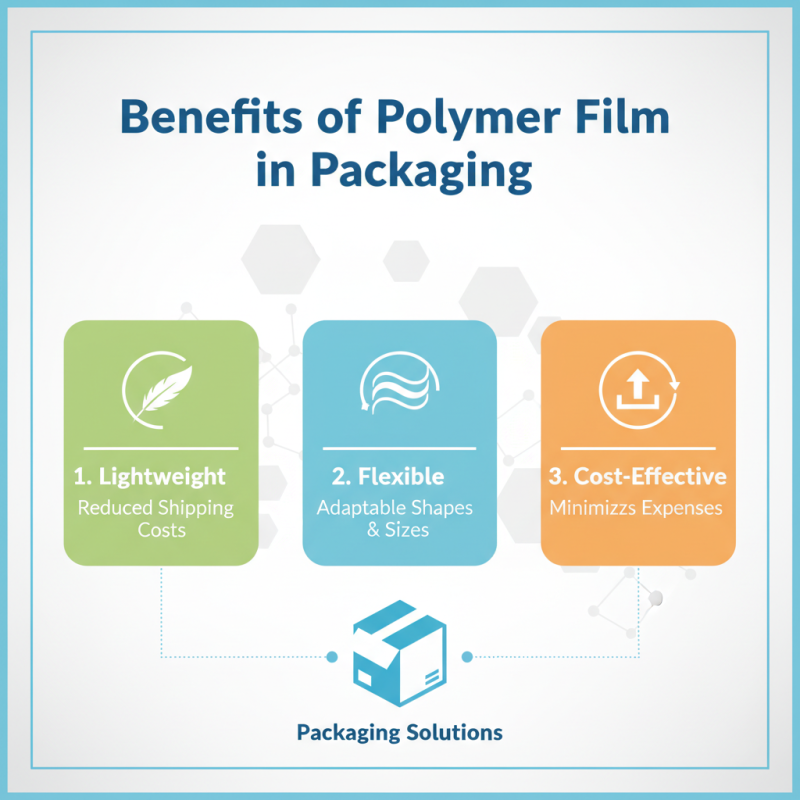
When it comes to packaging solutions, polymer film offers numerous advantages. Its lightweight nature reduces shipping costs. This is particularly useful for companies looking to minimize expenses. The flexibility of polymer films allows for various shapes and sizes. This adaptability makes it suitable for different products.
Another notable benefit is its barrier properties. Polymer films can protect contents from moisture, air, and contaminants. This extends the shelf life of products, which is essential for food packaging. However, some films may not provide adequate protection against specific environmental factors. Companies must carefully choose films based on their product needs.
Additionally, polymer films are often recyclable or reusable. This contributes to sustainability efforts, something many consumers value today. Yet, the recycling processes vary by region and often depend on local facilities. Brands may need to educate themselves and their customers about proper disposal methods. Overall, the benefits of using polymer film in packaging solutions are significant but require thoughtful consideration.
Future Trends and Innovations in Polymer Film Technology
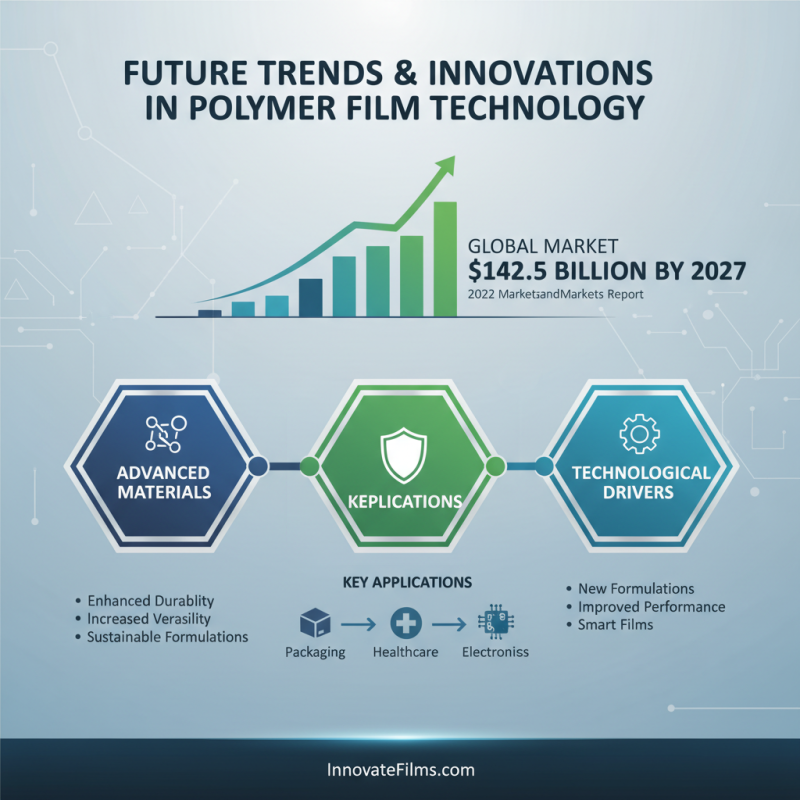
Polymer film technology is advancing rapidly, shaping various industries. According to a 2022 report by MarketsandMarkets, the global polymer films market is projected to reach $142.5 billion by 2027. This growth reflects innovation in materials and applications. New formulations improve durability and versatility, driving demand in packaging, healthcare, and electronics.
The future trends focus heavily on sustainable materials. Biodegradable polymers are gaining traction. Companies aim to reduce environmental impacts. A 2023 study highlighted that more than 25% of consumers prefer products with eco-friendly packaging. This shift presents challenges too. Manufacturers must balance performance with sustainability. The development of new bio-based polymers is still in its infancy. This area requires further investment and research.
Another exciting trend is smart polymer films. These films can respond to environmental changes. They have potential in sensors and packaging. A recent analysis indicated that smart films might grow by over 10% annually in the next five years. However, integration into existing systems poses hurdles. There are still many questions around cost and scalability. The journey toward fully functional smart polymer films has just begun.

 1Durch die gruppenweite Einführung und Harmonisierung unseres integrierten Managementsystems (IMS) werden alle bestehenden Unternehmens-, Qualitäts-, Umwelt- und Energiepolitiken durch diese Unternehmenspolitik ersetzt. Der Slogan „Textil hat Zukunft – auch in De