2026 How to Use Pet Polyester Film for Various Applications?
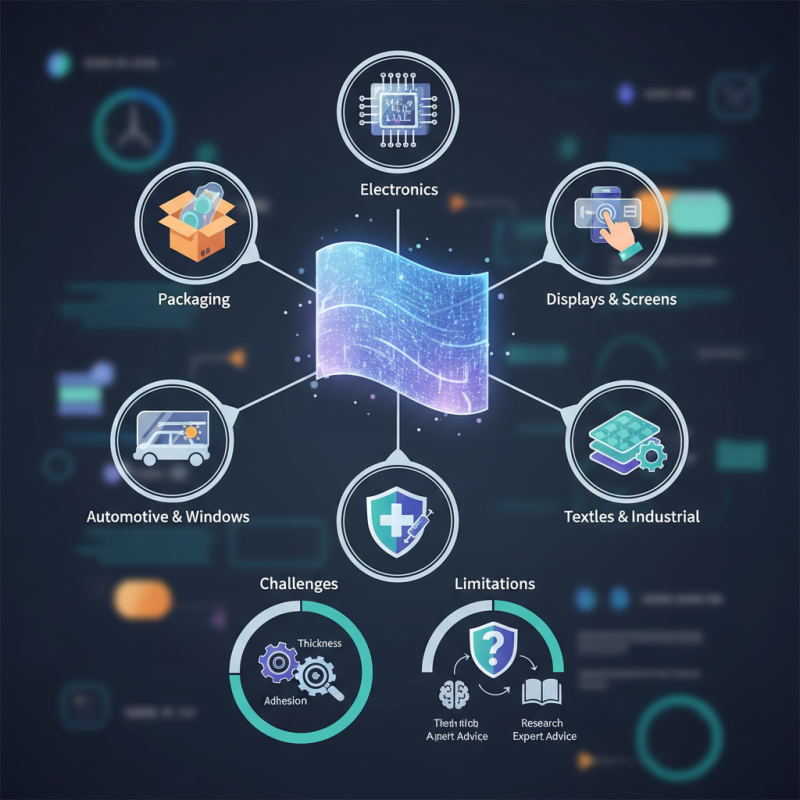
Pet Polyester Film has gained significant traction in various industries due to its versatility and durability. This specialized film is made from polyethylene terephthalate (PET), a strong synthetic material. Its unique properties enable it to serve multiple applications, ranging from packaging to electronics.
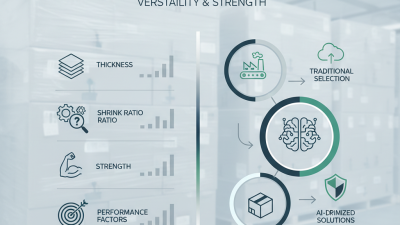
Using Pet Polyester Film is not without its challenges. Understanding the specific needs of your project is crucial. For instance, factors like thickness, clarity, and adhesion must be considered carefully. Each application may require a different approach to maximize performance.
While Pet Polyester Film can be incredibly effective, it is essential to remain aware of its limitations. Not every application will benefit from its use. Thus, conducting thorough research and seeking expert advice is advisable. This will ensure that you are making informed decisions that enhance your final product.
Applications of PET Polyester Film in Packaging and Labeling Industries
The packaging and labeling industries increasingly rely on PET polyester film for its versatility and strength. Data from industry reports indicate that the demand for PET film in packaging is projected to grow by 5% annually through 2026. This film is lightweight yet durable, making it ideal for various applications, including food packaging and beverage labels. Notably, its excellent barrier properties help to prolong shelf life and maintain product integrity.
In the labeling sector, PET film's clarity is paramount. Brands often seek materials that enhance their visual appeal. PET film meets this need while being recyclable, which aligns with the ongoing sustainability efforts in packaging. However, not all PET films are created equal. Companies must ensure they choose high-quality films to avoid issues like brittleness, which can lead to production delays.
Tip: Always test PET films with your specific products to ensure compatibility. Variations in formulations can affect adhesion and durability. Furthermore, stay updated with recent industry advancements to avoid missing out on innovative, more sustainable solutions.
Applications of PET Polyester Film in Packaging and Labeling Industries
Advantages of Using PET Polyester Film in Textile and Fashion Applications
PET polyester film offers numerous advantages in textile and fashion applications. Its lightweight and durable nature make it an ideal material for various uses. According to a report by Transparency Market Research, the global polyester film market is expected to reach USD 18 billion by 2026, fueled by rising demand in the textile industry.
One significant benefit is PET's ability to resist moisture and chemicals. This quality enhances the longevity of garments, making them more appealing to consumers. Furthermore, its excellent barrier properties ensure that textiles maintain their color and integrity over time. Industry data suggests that PET film can extend the lifespan of fashion items by up to 30%. Such statistics indicate a reliable choice for sustainable fashion practices.
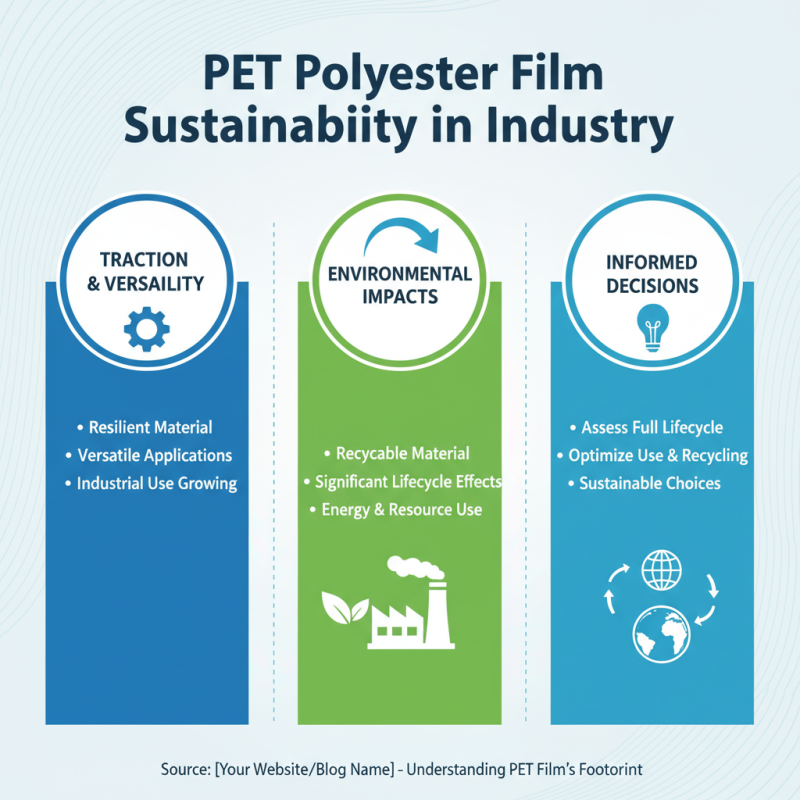
However, it's essential to consider potential downsides. The manufacturing process of PET involves energy-intensive steps, raising concerns about sustainability. While PET is recyclable, only a fraction of it is actually processed correctly. With such a mixed outcome, brands should strive to implement more efficient recycling methods. Balancing performance and environmental impact is crucial for the fashion industry's future.
Utilizing PET Polyester Film for Electrical and Electronic Insulation Solutions
PET polyester film is increasingly recognized for its role in electrical and electronic insulation solutions. With its excellent dielectric properties, PET provides effective insulation for wires, cables, and circuit boards. According to industry reports, the global demand for PET film in electrical applications is projected to grow by 5.2% annually through 2026. This growth reflects the rising need for efficient insulation materials in electronics, driven by advancements in miniaturization and energy efficiency.
The advantages of PET film lie in its thermal stability and chemical resistance. It can function effectively in extreme temperatures, making it suitable for various applications. However, challenges exist, particularly in its recycling and disposal. Many manufacturers are striving to make their processes more sustainable. While PET is recyclable, the actual recycling rates in the industry are not as high as they could be. This raises questions about the long-term environmental impact of increased PET usage.
In electrical applications, the precision of PET film's thickness is crucial. Any variance can affect performance and reliability. Current production methods sometimes lead to inconsistencies. Manufacturers must continue to innovate. Achieving the right balance between durability and functionality remains a work in progress. It is essential to consider these factors while leveraging PET polyester film for insulation solutions.
Innovative Uses of PET Polyester Film in Automotive and Aerospace Sectors
The automotive sector increasingly relies on PET polyester film for various applications. This film is lightweight yet durable. It provides excellent resistance to chemicals and moisture. Manufacturers utilize PET film for interior components, such as wiring insulation and dashboard covers. The film protects sensitive electronics, ensuring vehicle longevity.
In aerospace, PET polyester film plays a crucial role. It is used in insulation systems for aircraft. The lightweight nature helps reduce overall weight, which enhances fuel efficiency. Additionally, PET film is ideal for protective covers on sensitive equipment. Its ability to withstand extreme temperatures makes it a reliable choice. However, manufacturers face challenges in ensuring the film's strength over time.
Innovative designs could improve the integration of PET polyester film in both sectors. Exploring new production techniques may enhance film properties. Companies need to consider sustainability in their applications as well. Feedback from engineers can drive improvements and foster innovation in material use. Collaboration among experts can lead to better outcomes and refined applications.

 1Durch die gruppenweite Einführung und Harmonisierung unseres integrierten Managementsystems (IMS) werden alle bestehenden Unternehmens-, Qualitäts-, Umwelt- und Energiepolitiken durch diese Unternehmenspolitik ersetzt. Der Slogan „Textil hat Zukunft – auch in De