China Top 10 Polymer Sheet Manufacturers and Suppliers to Know?
The polymer sheet industry plays a crucial role in various applications, from construction to automotive. As an expert in this field, Dr. Emily Chen notes, "The versatility of polymer sheets makes them invaluable in modern manufacturing." This statement reflects the widespread adoption of polymer sheets due to their lightweight and durable properties.
Increasing demand for sustainable materials drives innovation among top manufacturers. In China, there are numerous companies leading the charge. These suppliers are recognized for their advanced technologies and quality products. They revolutionize how industries use polymer sheets. However, identifying such suppliers can be challenging due to market competition and varying standards.
Understanding the capabilities and offerings of China's top 10 polymer sheet manufacturers is essential for businesses. Decision-makers must evaluate these suppliers carefully. Engaging with industry experts can provide deeper insights and foster reliable partnerships. The quest for quality and innovation in the polymer sheet market shapes the future of numerous industries.
Overview of Polymer Sheet Manufacturing in China
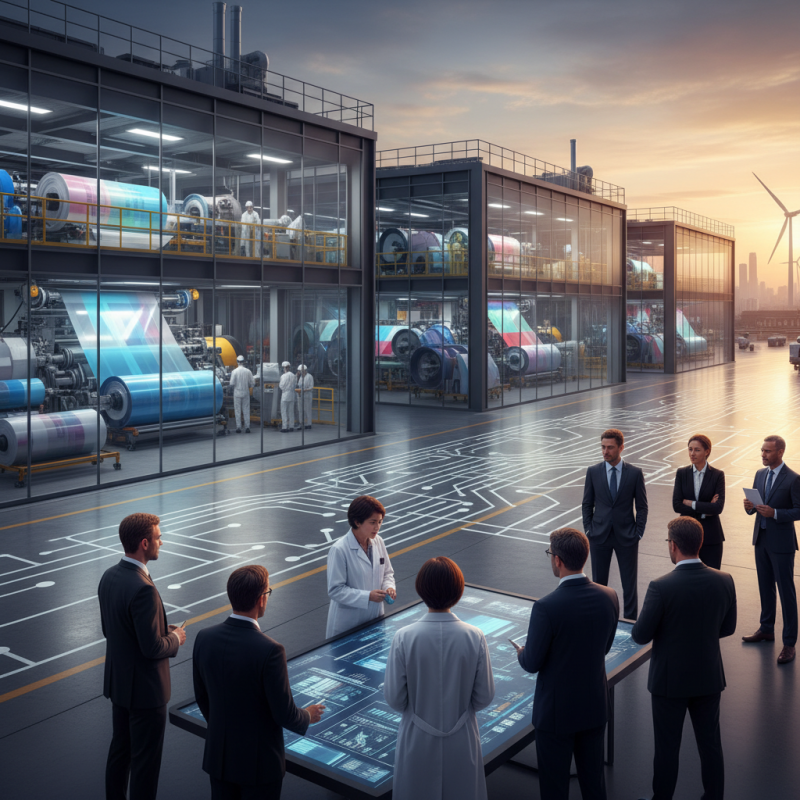
Polymer sheet manufacturing in China has seen remarkable growth in recent years. The industry benefits from advanced technology and skilled labor. Manufacturers are focusing on innovative production techniques to enhance quality and efficiency. This progress is crucial in meeting domestic and global demands.
China's polymer sheet market is diverse. It includes different materials like acrylic, polycarbonate, and PVC. Each type has unique properties catering to various applications. Companies often face challenges in sourcing raw materials and maintaining quality control. Adapting to international standards is essential but can be difficult. Manufacturers must continually upgrade machinery and invest in training for their workforce.
The future of the polymer sheet industry is promising. With ongoing investments, the capacity will likely expand. Sustainable practices are becoming more prevalent, reflecting a growing awareness of environmental issues. However, this shift requires time and effort. Manufacturers need to balance profit with responsibility.
China Top 10 Polymer Sheet Manufacturers and Suppliers
| Manufacturer/Supplier |
Headquarters |
Year Established |
Annual Revenue (Approx.) |
Main Products |
| Manufacturer A |
Beijing |
2001 |
$10M |
Polycarbonate Sheets |
| Manufacturer B |
Shanghai |
1998 |
$15M |
Acrylic Sheets |
| Manufacturer C |
Guangzhou |
2005 |
$8M |
PVC Sheets |
| Manufacturer D |
Shenzhen |
2010 |
$12M |
PET Sheets |
| Manufacturer E |
Hangzhou |
2015 |
$6M |
HIPS Sheets |
| Manufacturer F |
Nanjing |
2000 |
$9M |
PP Sheets |
| Manufacturer G |
Xi'an |
2003 |
$7M |
LDPE Sheets |
| Manufacturer H |
Chengdu |
1995 |
$11M |
Angela Sheets |
| Manufacturer I |
Suzhou |
2008 |
$14M |
PS Sheets |
| Manufacturer J |
Wuhan |
2006 |
$13M |
PC and PMMA Sheets |
Key Characteristics of Top Polymer Sheets
Polymer sheets are essential in various industries, from packaging to construction. They offer unique properties that cater to specific applications. One key characteristic is their durability. Many polymer sheets resist impact, making them ideal for protective applications. They can endure harsh weather conditions without significant degradation.
Another important feature is their lightweight nature. This trait allows for easy handling and installation. In sectors where reducing weight is crucial, polymer sheets shine. Additionally, their flexibility can lead to innovative designs, enhancing functionality in final products. However, it’s important to balance flexibility with the requirements of the application.
Transparency is another quality that makes certain polymer sheets popular. Clear sheets, for instance, allow for visibility while providing essential protection. However, the manufacturing process can sometimes lead to minor imperfections that might impact clarity. This aspect emphasizes the importance of choosing reputable suppliers. Each supplier may offer unique advantages and challenges, influencing the overall quality of the material.
List of the Top 10 Polymer Sheet Manufacturers in China
In China's rapidly expanding manufacturing sector, polymer sheets are vital for various applications. These materials offer durability and versatility, making them a popular choice across industries. Knowing the top manufacturers in this field is crucial for ensuring quality and reliability.
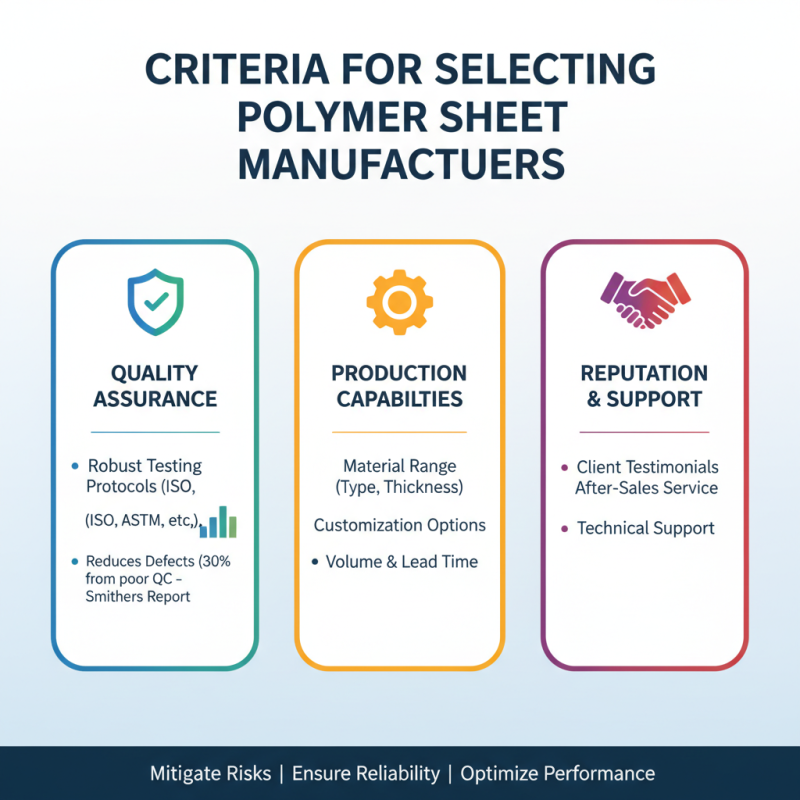
Selecting the right supplier can be challenging. It's essential to assess a manufacturer's reputation and experience. Verifying their production methods and quality control processes helps gauge reliability. Always request samples to evaluate material quality firsthand.
Working with reputable suppliers ensures you receive consistent, high-quality products. It can also save costs in the long run. Consider the range of materials they offer. Flexibility in product options can be beneficial for specific projects. Lastly, maintain communication for clarity on specifications and delivery timelines.
Emerging Trends in the Polymer Sheet Industry in China
The polymer sheet industry in China is experiencing significant shifts. Sustainable practices are on the rise. Manufacturers are increasingly focusing on eco-friendly materials. This aligns with global demands for sustainability. Companies are experimenting with bio-based polymers. This effort aims to minimize environmental impact.
Technological advancements play a crucial role. Automation in production is becoming more common. This can improve efficiency and reduce costs. However, the reliance on technology raises concerns. Companies may overlook craftsmanship and traditional methods. Striking a balance between innovation and traditional techniques is vital.
Market dynamics are also changing. There is a growing demand for customization. Businesses seek tailored products for various applications. This trend necessitates agile manufacturing processes. Yet, rapid changes can pose challenges. Some manufacturers may struggle to adapt quickly. Addressing these issues is essential for future growth.

 1Durch die gruppenweite Einführung und Harmonisierung unseres integrierten Managementsystems (IMS) werden alle bestehenden Unternehmens-, Qualitäts-, Umwelt- und Energiepolitiken durch diese Unternehmenspolitik ersetzt. Der Slogan „Textil hat Zukunft – auch in De