Top 10 Benefits of Using Polymer Sheet in Various Industries?
Polymer sheets have gained significant traction across various industries due to their unique properties. According to a recent report by MarketsandMarkets, the global polymer sheet market is expected to reach $10.5 billion by 2025, highlighting its growing relevance. Their lightweight nature, excellent durability, and resistance to chemicals make polymer sheets an ideal choice for applications in sectors such as automotive, construction, and packaging.
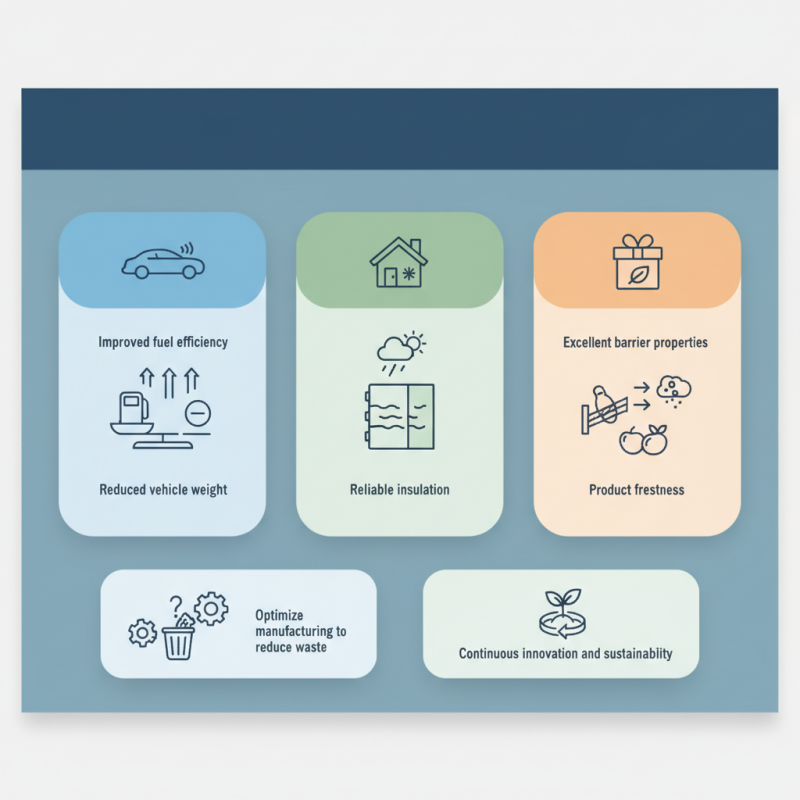
In the automotive industry, polymer sheets help reduce vehicle weight, leading to improved fuel efficiency. A study shows that lighter vehicles can increase efficiency by 5-10%. Meanwhile, in the construction industry, these sheets provide reliable insulation and weather resistance, essential for energy-efficient buildings. The packaging sector benefits from polymer sheets as they offer excellent barrier properties, ensuring product freshness.
However, challenges remain in optimizing the manufacturing processes to reduce waste. Continuous innovation is crucial for maximizing the benefits of polymer sheets. The evolving landscape of sustainability mandates that companies evaluate their sourcing and production techniques. Despite the advantages, the industry must address these concerns to fully capitalize on the potential of polymer sheets.
Applications of Polymer Sheets in Manufacturing and Production
Polymer sheets play a crucial role in various manufacturing and production sectors. Their lightweight nature enhances efficiency in applications ranging from packaging to industrial equipment. According to a 2021 industry report, polymer sheets have increased in usage by 25% within the manufacturing sector alone. This growth is largely driven by their ability to reduce energy consumption and improve production speed.
In the automotive industry, polymer sheets are used for interior panels and dashboards. They offer durability while minimizing overall weight, leading to better fuel efficiency. Research indicates that using polymer materials can decrease vehicle weight by up to 20%, contributing to eco-friendly practices. Additionally, in the packaging sector, polymer sheets provide superior barrier properties against moisture and chemicals, ultimately extending product shelf life.
Despite these benefits, challenges exist. Manufacturers must consider the environmental impact of polymer production. Recycling options are often limited, leading to waste concerns. Data shows that only 9% of plastics are recycled globally, highlighting an ongoing dilemma. Ensuring responsible usage and enhancing recycling methods remains a priority within the industry. As technology evolves, the focus on sustainable practices will be critical for the future of polymer sheet applications.
Advantages of Polymer Sheets in Construction and Architectural Design
Polymer sheets are transforming construction and architectural design. Their lightweight nature makes them ideal for various applications. Builders appreciate their ease of installation. They provide excellent insulation and weather resistance, which enhances energy efficiency in buildings. This is crucial given rising energy costs and environmental concerns.
Additionally, polymer sheets offer design flexibility. Architects can create innovative shapes and structures that were once difficult to achieve. The glossy finish of these sheets can elevate aesthetics, attracting clients. However, it’s important to consider potential long-term durability issues. While they resist wear, exposure to certain elements may affect their lifespan.
Moreover, polymer sheets can be a sustainable choice. Many are recyclable, contributing to green building practices. This is a significant advantage for environmentally conscious projects. Yet, the initial costs may be higher compared to traditional materials. Evaluating overall project budgets is vital. These factors play a key role in ensuring responsible design choices.
Impact of Polymer Sheets on the Automotive and Aerospace Industries
Polymer sheets have revolutionized industries, particularly automotive and aerospace. Their lightweight nature is a game-changer. Vehicles made with polymer components can see weight reductions of up to 30%. Lighter cars improve fuel efficiency, which is vital as fuel costs fluctuate. In aerospace, the story is similar. Using polymers can decrease the total aircraft weight significantly. This leads to greater efficiency and reduced emissions.
Moreover, polymer sheets offer excellent durability and resistance to environmental factors. In automotive applications, they withstand high temperatures and resist corrosion. This longevity translates to lower maintenance costs for manufacturers. A recent study indicated that 75% of automotive professionals reported improved performance when using advanced polymer materials. However, manufacturers face challenges in recycling these materials. The industry must explore sustainable practices to address waste concerns.
In aerospace design, polymer sheets facilitate complex shapes and forms. This is crucial for improving aerodynamics. Yet, there is still a need for more research on the long-term effects of these materials under extreme conditions. Striking a balance between innovation and sustainability is an ongoing challenge. Both industries must prioritize responsible use of resources while continuing to push technological boundaries.
Sustainability and Environmental Benefits of Using Polymer Sheets
In recent years, the use of polymer sheets has gained traction across various industries due to their sustainability features. These sheets often come from recycled materials, reducing waste. Their lightweight nature helps decrease energy consumption during transport and installation, further benefiting the environment. Many manufacturers are now opting for eco-friendly polymers, which do not leach harmful chemicals. This shift promotes safer ecosystems.
However, the environmental impact of polymer sheets isn’t flawless. While they offer advantages, production processes can still demand energy and resources. The end-of-life issues can also be troubling if proper recycling methods are not in place. Many industries are still grappling with the best ways to manage polymer waste.
Despite these challenges, the potential of polymer sheets shines through in their versatility. They can replace less sustainable materials, reducing reliance on traditional plastics. Additionally, they are easy to clean and maintain, contributing to longer life cycles. However, the responsibility lies with industries to adopt better practices and explore innovative solutions for sustainability.

 1Durch die gruppenweite Einführung und Harmonisierung unseres integrierten Managementsystems (IMS) werden alle bestehenden Unternehmens-, Qualitäts-, Umwelt- und Energiepolitiken durch diese Unternehmenspolitik ersetzt. Der Slogan „Textil hat Zukunft – auch in De