
Why Choose PET Decorative Film for Furniture Projects?
When selecting decorative film for furniture, the surface is only one part of the decision. PET and PVC can both provide color, texture, and scratch resistance. Their indoor air performance deserves closer attention. ISO 16000 methods can measure VOC emissions from finished furniture assemblies in controlled chambers. They do not simply label one polymer as safe or unsafe.
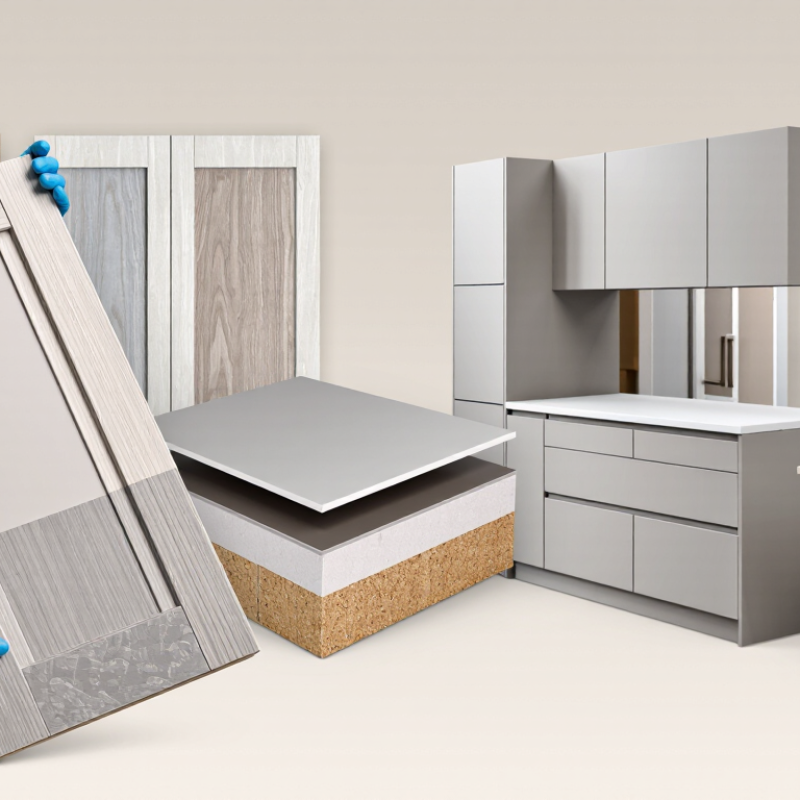
A useful comparison tests the complete panel, not the film alone. The adhesive, substrate, edge banding, and printing layers may change results. PET often supports a lower-emission design, especially when paired with low-emitting adhesives and clean substrates. PVC can also perform well when its formulation and production controls are carefully managed. Test conditions matter. Temperature, ventilation, and sample preparation can shift measured values.
Circularity adds another layer. PET may fit established polyester recycling streams, but laminated films, coatings, and adhesive residues can reduce that advantage. PVC furniture films may offer long service life, yet collection and recycling routes vary widely by region. The material choice is not automatically circular.
That is the difficult part.
In practical project reviews, I would request ISO 16000 data for the assembled product, plus information about recycled content, disassembly, and end-of-life handling. A film that looks sustainable on paper may become difficult to recover after years of bonding. A durable PVC surface may reduce replacement frequency, but durability alone does not prove circularity. Designers should compare measured emissions, service life, repair options, and realistic local recycling pathways before approving the specification.