


0102030405
Eco-Friendly PVC Decorative Film: The Sustainable Choice for Modern Interior and Packaging
2026-01-21
As consumers and brands increasingly prioritize sustainability, the demand for eco-conscious design materials has skyrocketed. Eco-friendly PVC decorative film has stepped up to the challenge, proving that style, functionality, and environmental responsibility can go hand in hand—whether for interior design or product packaging.
What makes this film “eco-friendly”? It starts with formulation: manufacturers use recycled PVC resins and non-toxic additives (replacing harmful plasticizers like phthalates) to reduce environmental impact. Many variants are fully recyclable, closing the loop on waste, and produced in energy-efficient facilities that cut carbon emissions by up to 30% compared to traditional PVC manufacturing. For packaging applications—like printable heat shrink sleeves—it even meets food-safe standards, ensuring no harmful substances leach into products.
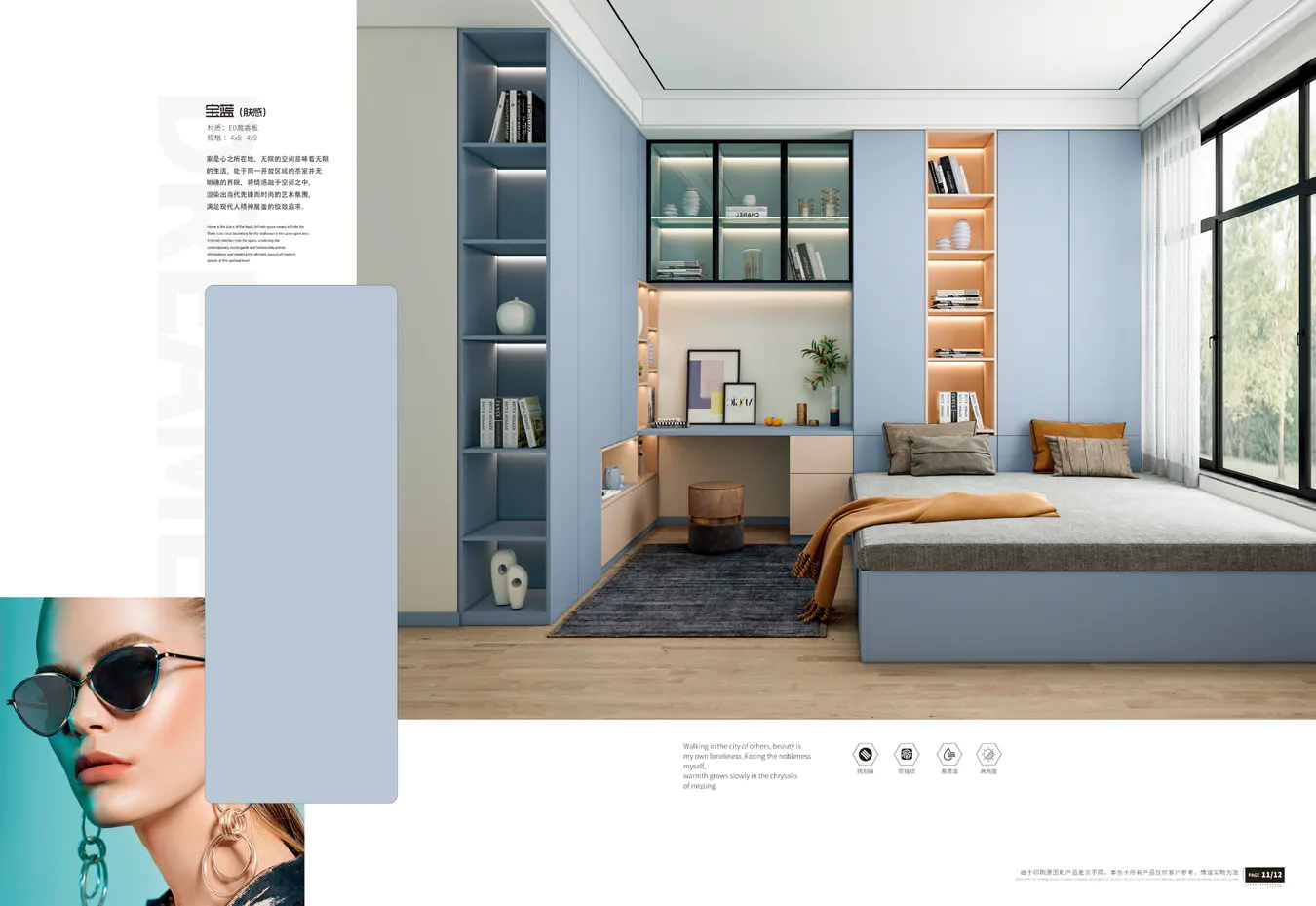
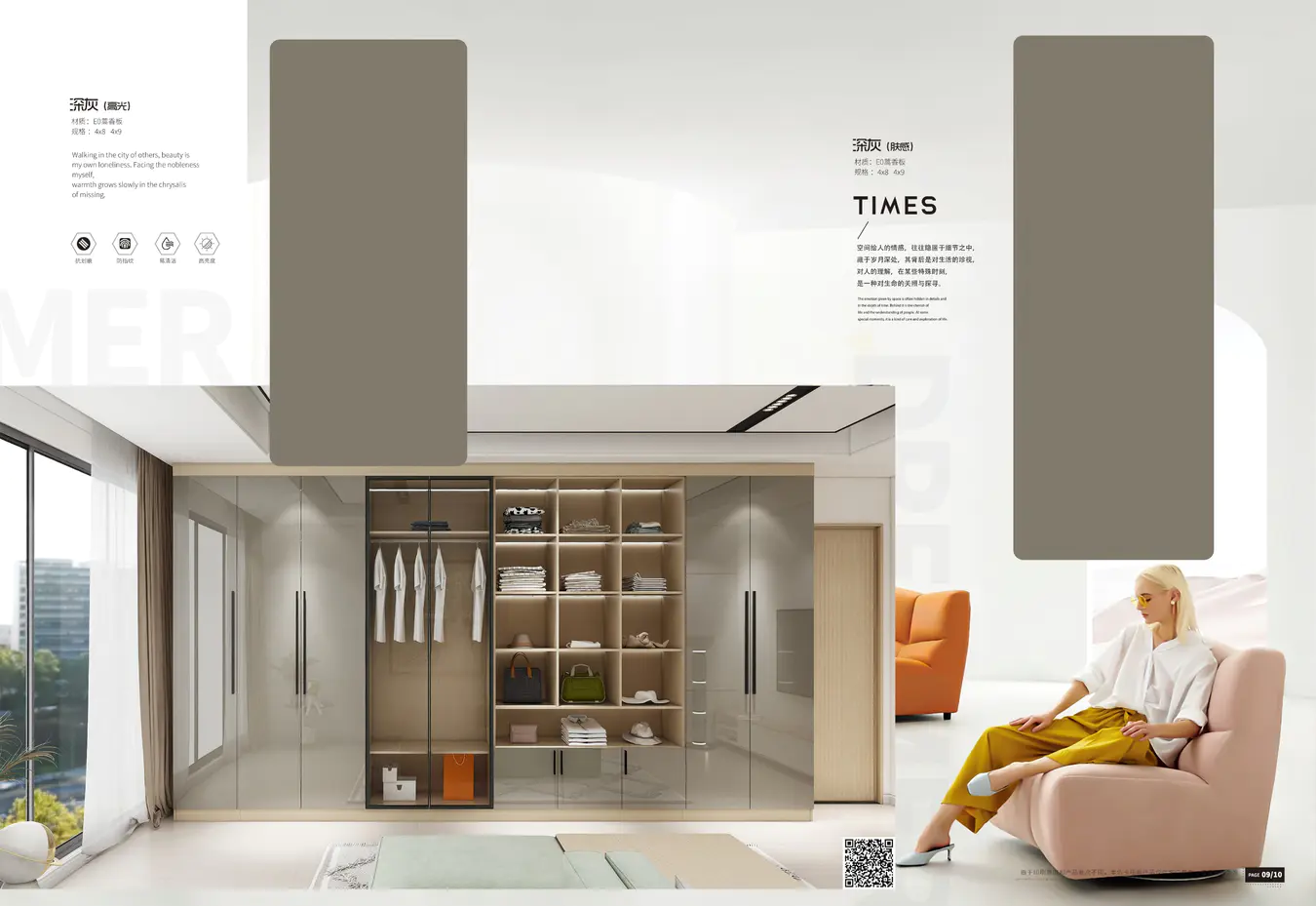
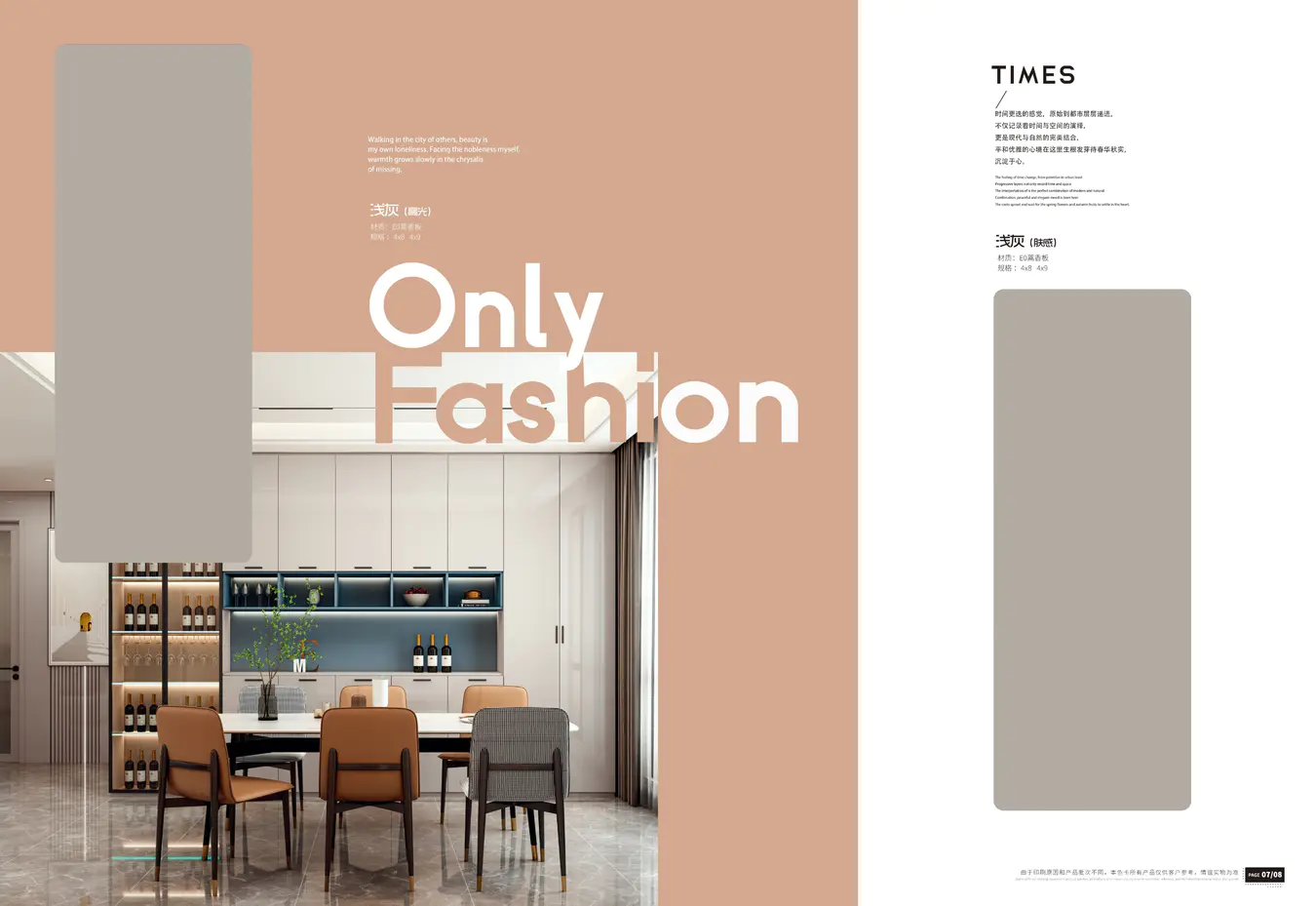
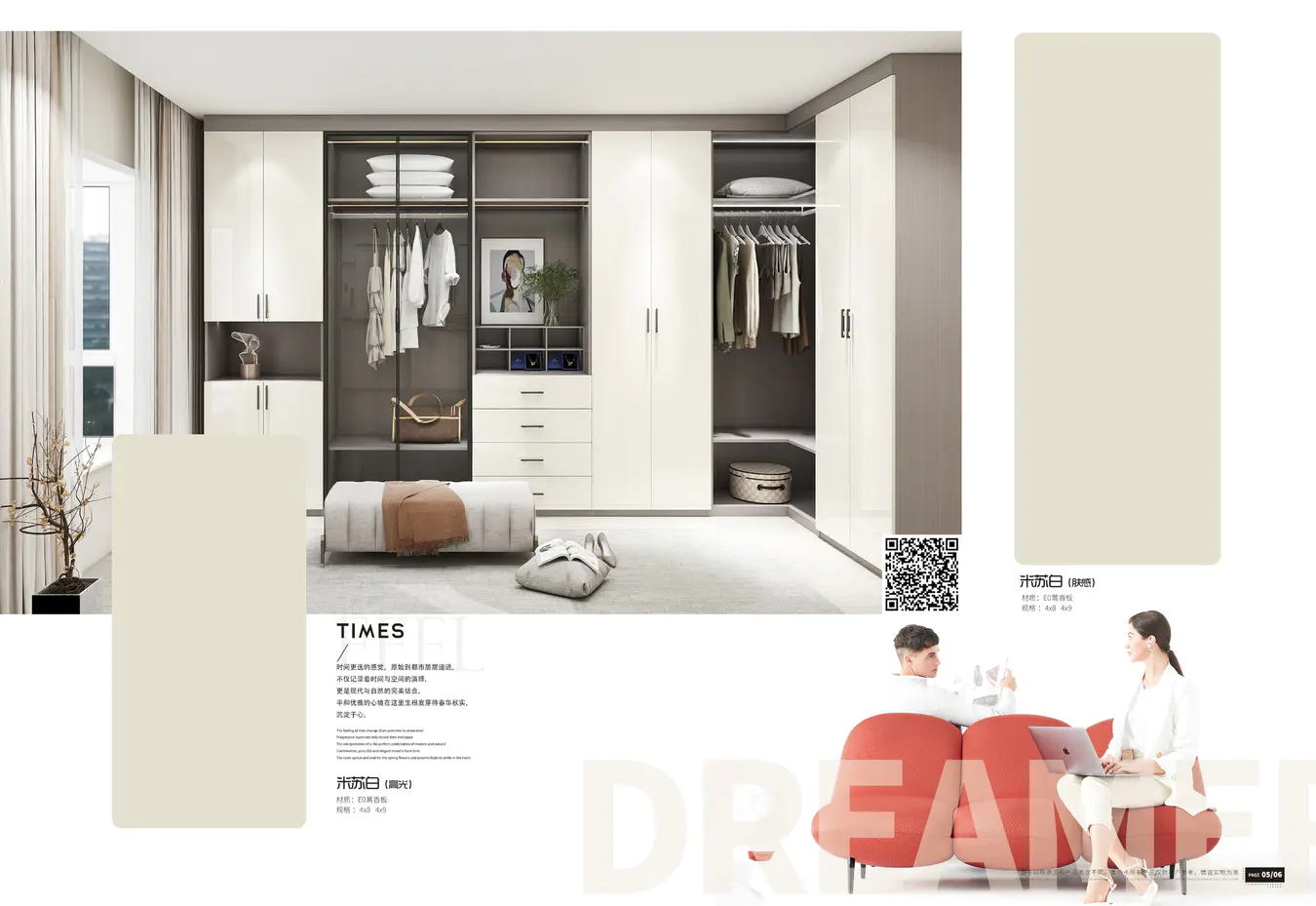
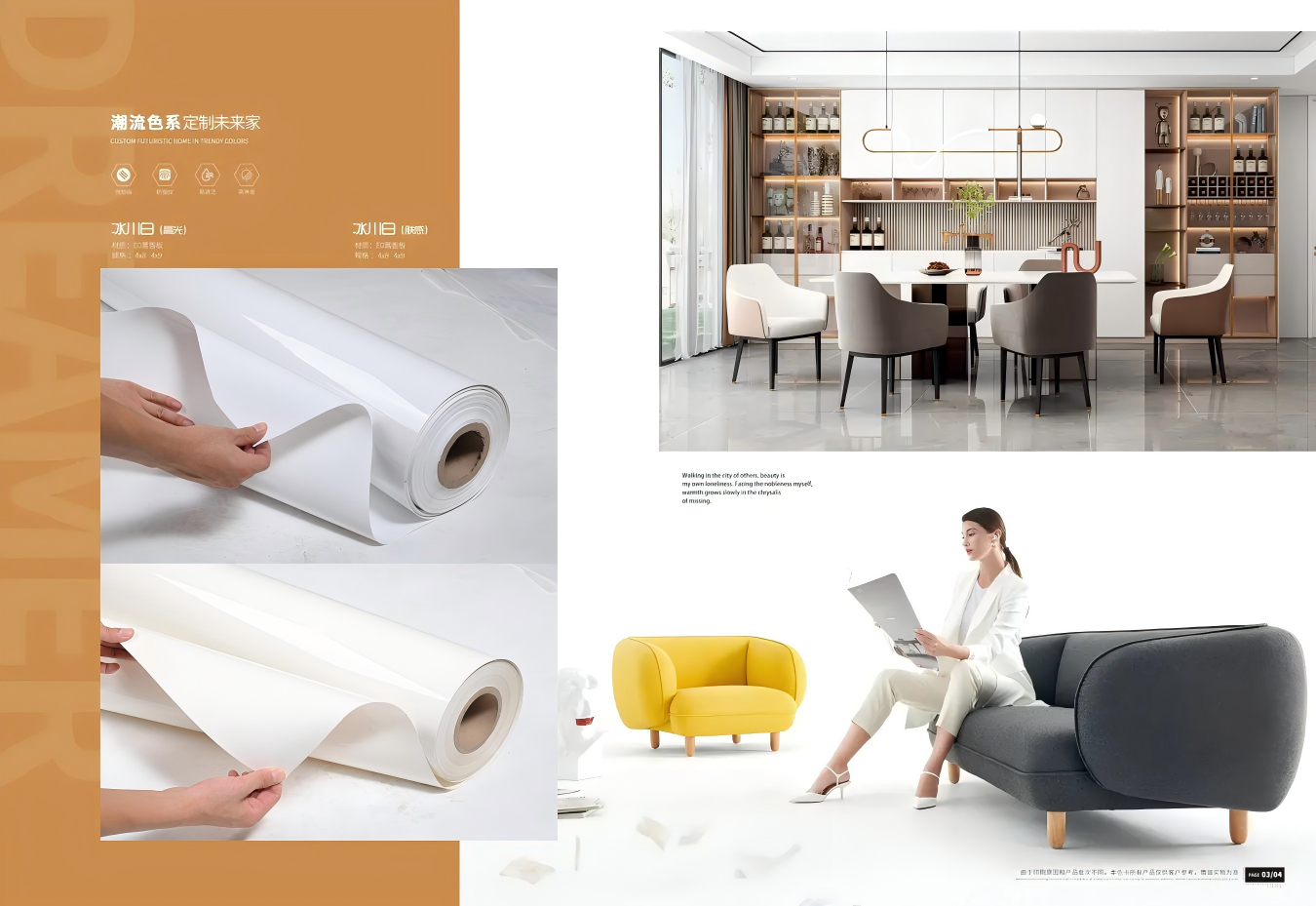
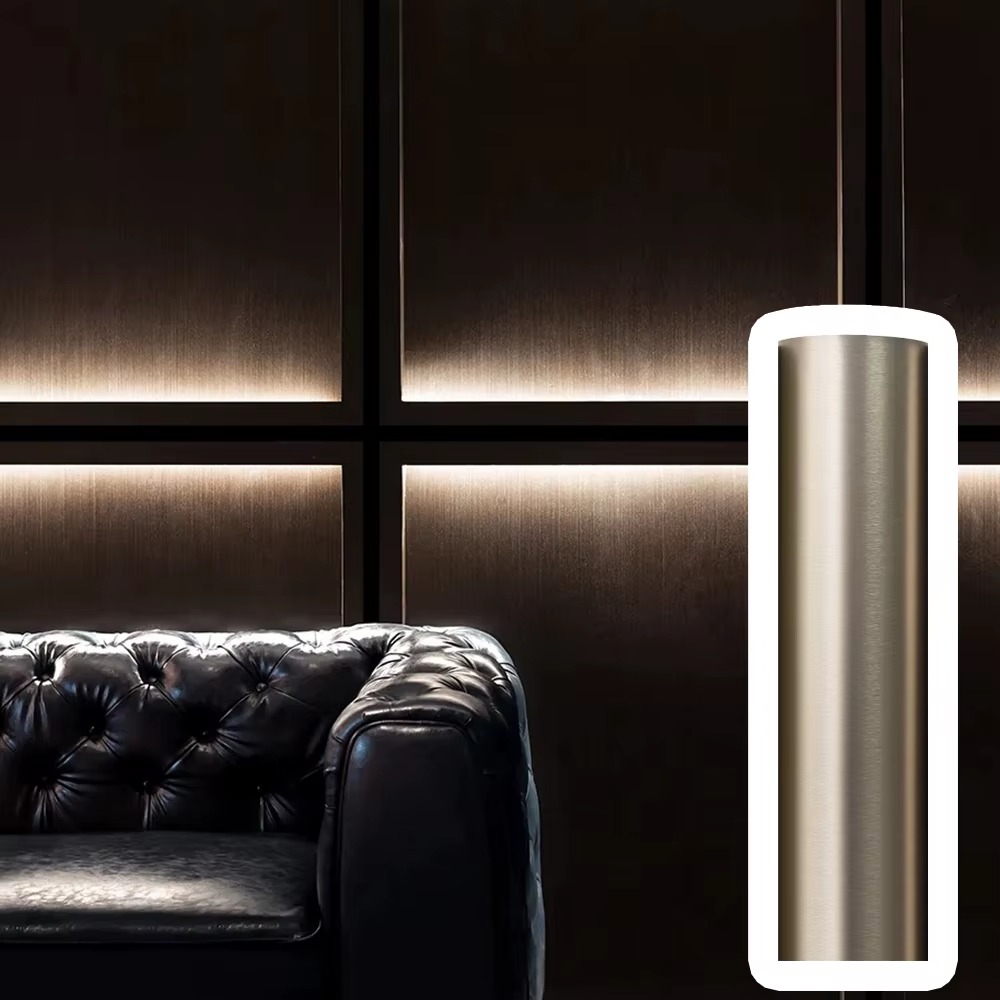
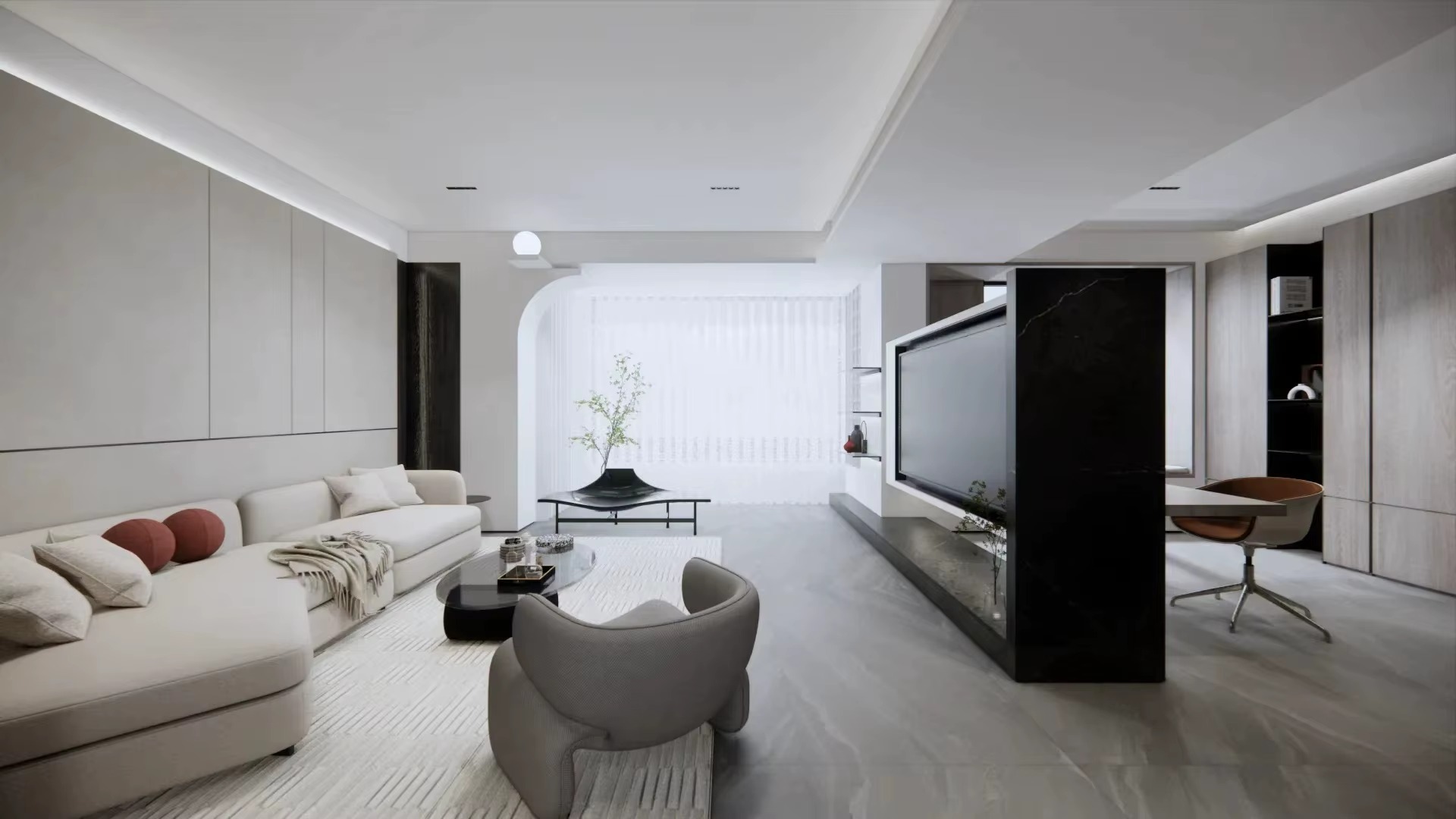
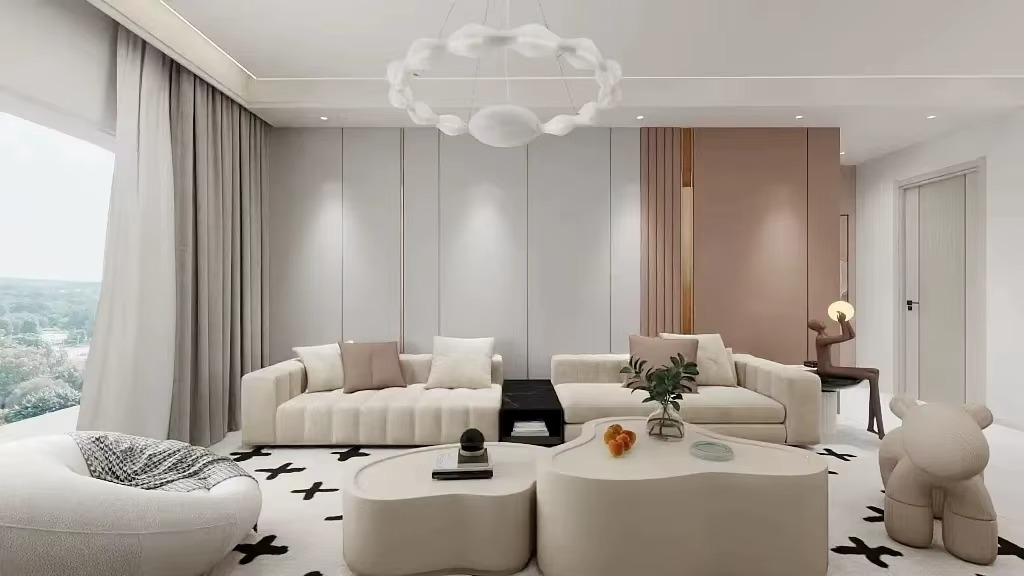
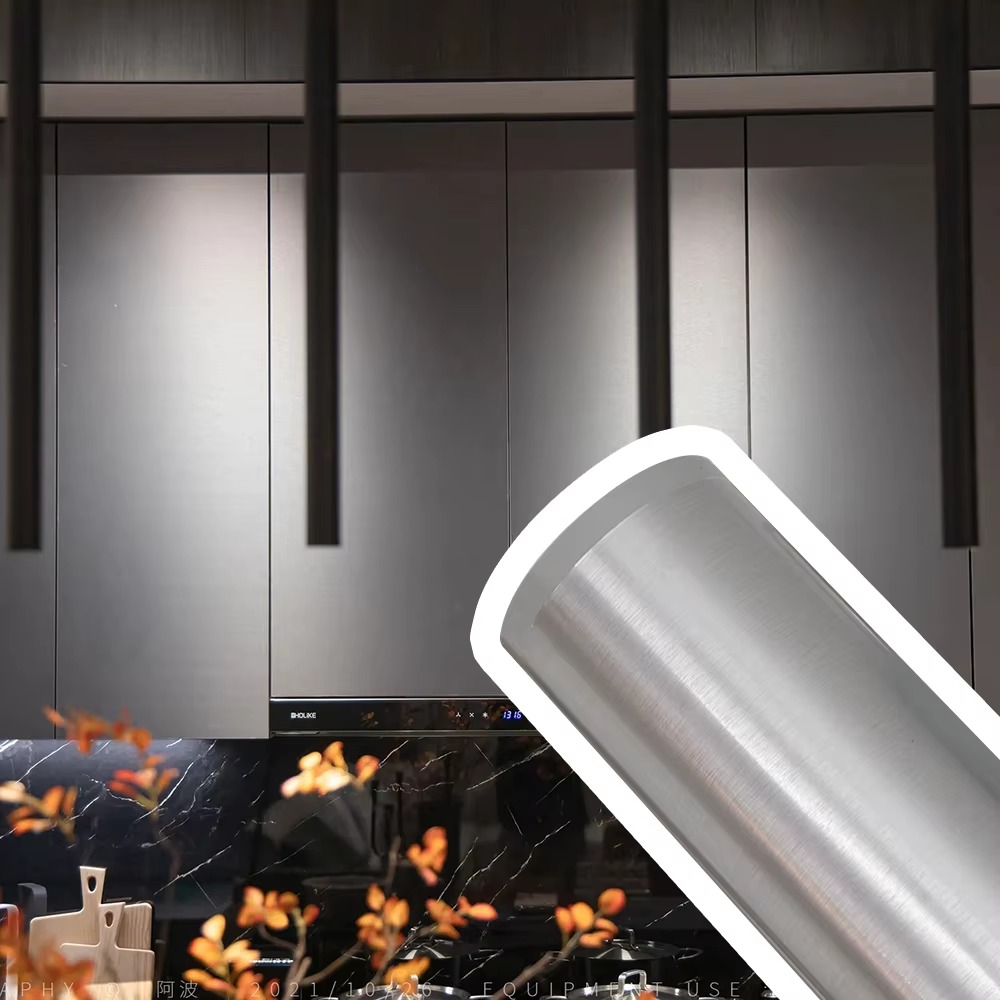
In interiors, eco-friendly PVC decorative film retains all the practical benefits of conventional PVC while adding green credentials. It’s waterproof, stain-resistant, and scratch-tough, making it perfect for kitchens, bathrooms, and commercial spaces. Its wood grain or stone patterns mimic natural materials, reducing the need for logging or quarrying, and its long lifespan (up to 15 years) means fewer replacements—lowering overall resource consumption. Installation is also green: many films come with self-adhesive backing, eliminating the need for solvent-based glues that release VOCs.
For brands, this film is a marketing asset. It lets them showcase their sustainability commitments without compromising on design—whether it’s a skincare brand using eco-friendly PVC shrink sleeves for its bottles or a hotel chain upgrading lobbies with recycled PVC wood grain film. Consumers, too, benefit: they get durable, beautiful spaces or products that align with their values, at a price point that’s accessible.
Eco-friendly PVC decorative film isn’t just a “trendy” option—it’s a forward-thinking solution that addresses the urgent need for sustainable design. As the industry continues to innovate, it’s poised to become the gold standard for anyone who wants to create beautifully, without costing the planet.