2026 Top Polyester Shrink Film Trends for Global Buyers?
The demand for Polyester Shrink Film continues to grow globally, with trends evolving every year. Experts predict significant changes in 2026 that will shape the industry. Jane Smith, an authority in packaging solutions, highlights the importance of sustainability in this field. She states, "The future of Polyester Shrink Film hinges on eco-friendly materials and innovations."
As buyers navigate these trends, they must consider the impact of advancements. Increased awareness about environmental concerns pushes manufacturers to innovate. The focus is shifting toward biodegradable options within Polyester Shrink Film. It's clear that what was once standard may not meet future expectations.
However, stakeholders must address challenges. The balance between performance and sustainability requires ongoing research. There are still gaps in technology that could hinder progress. Reflection on these issues is essential for advancing the Polyester Shrink Film market. Buyers need to stay informed and adaptable in this dynamic landscape.

Emerging Innovations in Polyester Shrink Film Production Techniques
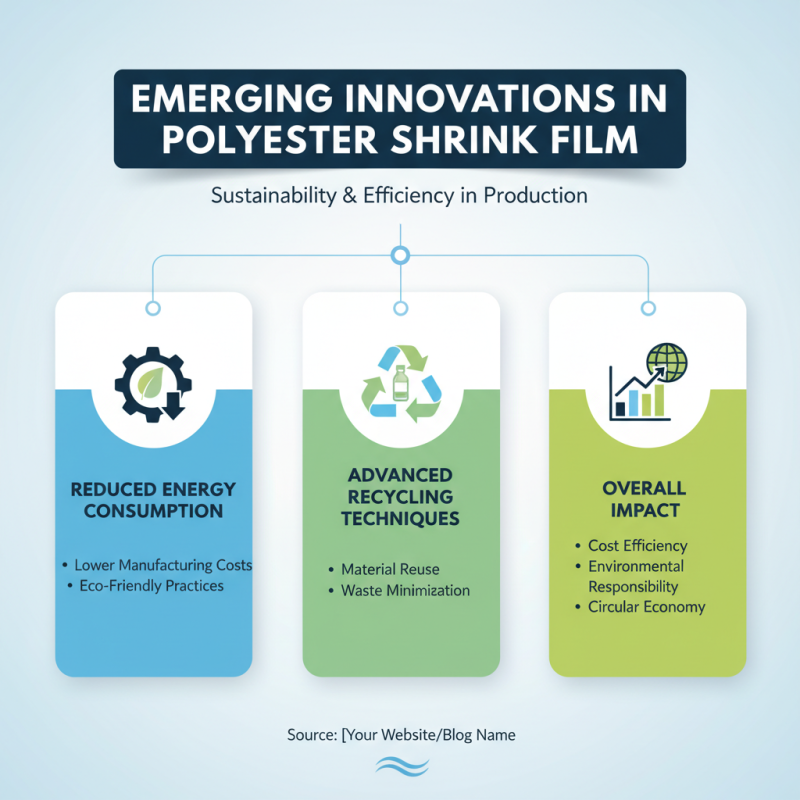
The production techniques for polyester shrink film are rapidly evolving. Innovations are focusing on sustainability and efficiency. New methods are aimed at reducing energy consumption during manufacturing. This shift not only lowers costs but also aligns with eco-friendly practices. Advanced recycling techniques are gaining traction too. They facilitate the reuse of materials, minimizing waste.
Recent developments include the use of biodegradable additives. These can enhance the shrink film's properties. They address environmental concerns while maintaining performance. However, the effectiveness of these additives requires thorough testing. Manufacturers face challenges in integrating these solutions into existing processes.
Another trend is the introduction of smart technologies in production. Automated systems are improving precision in film thickness and strength. This optimization contributes to better product quality. Yet, reliance on automation raises questions about workforce impacts. Balancing innovation with human jobs is essential. As the industry takes bold steps, careful reflection on these changes is crucial.
Sustainability Trends Influencing Polyester Shrink Film Materials
Sustainability is reshaping the polyester shrink film market. According to recent industry reports, over 50% of manufacturers are now prioritizing eco-friendly materials. Consumers are increasingly demanding products that reflect environmental responsibility. This shift is forcing companies to rethink their sourcing and production strategies.
A notable trend is the use of recycled polyester. Research shows that incorporating recycled content can reduce carbon emissions by up to 40%. Additionally, biobased alternatives are emerging. These materials offer similar performance while minimizing reliance on fossil fuels. However, challenges remain in balancing performance and sustainability.
Quality assurance becomes critical as manufacturers innovate. Some still avoid adopting new materials due to concerns about durability and quality. There are instances where recycled films failed to meet expected standards. The industry must address these gaps to fully embrace sustainable practices while maintaining high-quality products.
2026 Top Polyester Shrink Film Trends
Market Demand and Applications Driving Polyester Shrink Film Growth
The demand for polyester shrink film continues to surge globally, driven by various applications across industries. According to a recent market report, the polyester shrink film market is projected to grow by over 5% annually through 2026. This growth is fueled by the rising need for packaging solutions that offer durability and protection. Industries such as food and beverage, consumer goods, and electronics are increasingly adopting polyester shrink film due to its versatility.
Applications like product bundling and tamper-evidence are vital in the market. The film's capacity to withstand high temperatures is crucial. However, manufacturers face challenges in balancing thickness and clarity. A comprehensive analysis reveals that optimizing these properties can enhance performance.
Tips: Consider innovative design techniques when using polyester shrink film. These can improve aesthetics and functionality. Sustainability is another focus area. Incorporating recycled materials could attract environmentally-conscious buyers. Experimenting with sizes and formats can also yield unique product offerings, enhancing marketability.
Technological Advancements Shaping Polyester Shrink Film Performance
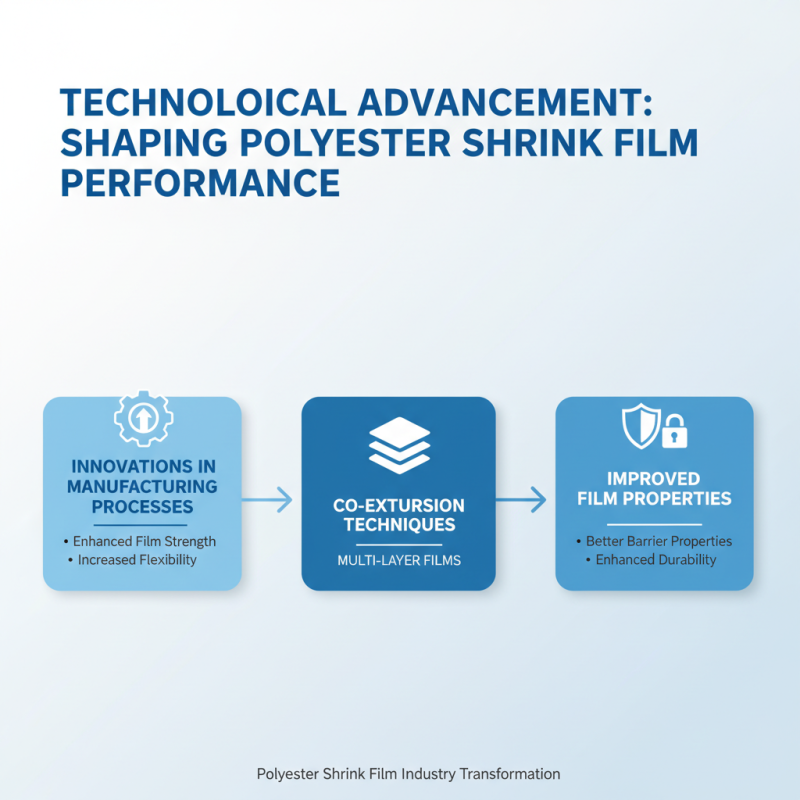
The polyester shrink film industry is undergoing significant transformations due to technological advancements. Innovations in manufacturing processes are enhancing film strength and flexibility. Today, the development of co-extrusion techniques allows for multi-layer films. This results in better barrier properties and improved durability.
A focus on sustainability is also shaping the future of polyester shrink films. Biodegradable options are starting to surface, driven by consumer demand. Brands are looking for solutions that not only protect products but also the environment. However, the transition to sustainable materials faces challenges. These materials can be costlier and may lack the same performance standards.
Performance-enhancing additives are gaining attention as well. These additives improve clarity, gloss, and resistance to heat. However, the balance of enhanced performance and cost-effectiveness remains tricky. The exploration of new technologies holds promise but requires continuous investment and adaptation from manufacturers. The path forward is filled with both opportunities and hurdles.
Consumer Preferences and Packaging Design Trends in 2026
As we look towards 2026, consumer preferences are evolving in the realm of polyester shrink film. Environmental consciousness is a key driver reshaping packaging design. Buyers increasingly demand eco-friendly solutions. This shift influences material selection and the overall design process. Companies are now focusing on sustainable options. These include biodegradable or recyclable materials. Enhanced transparency in packaging is becoming popular. Customers want to see the product clearly. Clear packaging can boost buying confidence.
Another notable trend is the focus on customization. Packaging is not just about protection anymore; it’s about brand identity. Unique designs and shapes can attract consumers. Personalization in packaging enhances the overall customer experience. However, achieving this balance between aesthetics and functionality is challenging. Brands must consider production costs while innovating designs. Engaging consumers through interactive packaging is also gaining traction. This approach encourages brand loyalty and keeps consumers involved.
Moreover, technological advancements are redefining how packaging is perceived. Smart packaging elements, such as QR codes, offer enhanced interactivity. Yet, this complexity can sometimes overwhelm consumers. Striking a balance between innovation and simplicity is crucial. Responding to diverse preferences can be daunting. Brands might fall into the trap of overcomplicating their designs, losing sight of their core message. Understanding these nuances will be essential for success in 2026.
2026 Top Polyester Shrink Film Trends for Global Buyers
| Trend Category |
Description |
Consumer Preference (%) |
Packaging Design Focus |
| Sustainability |
Increase in biodegradable and recyclable materials. |
65% |
Minimalist designs with eco-friendly inks. |
| Barrier Properties |
Enhanced protection against moisture and oxygen. |
55% |
Multi-layer designs for extended shelf life. |
| Visual Appeal |
Use of bold colors and graphics to attract consumers. |
70% |
Unique shapes and cut-outs for differentiation. |
| Cost Efficiency |
Focus on reducing costs without compromising quality. |
50% |
Streamlined packaging processes. |
| Customization |
Demand for personalized packaging solutions. |
60% |
Tailored designs to meet individual customer requests. |

 1Durch die gruppenweite Einführung und Harmonisierung unseres integrierten Managementsystems (IMS) werden alle bestehenden Unternehmens-, Qualitäts-, Umwelt- und Energiepolitiken durch diese Unternehmenspolitik ersetzt. Der Slogan „Textil hat Zukunft – auch in De