Inquiry
Form loading...

Top 10 Uses of Polymer Film for Global Buyers?

In the realm of advanced materials, polymer film has emerged as a pivotal component across various industries. Dr. Jane Smith, a leading expert in polymer science, states, "Polymer films are not just materials; they are solutions." This assertion reflects the versatility and importance of polymer film in addressing global challenges.

From packaging to electronics, polymer film serves numerous essential functions. Its lightweight nature and durability make it ideal for flexible packaging, which contributes to sustainability. Moreover, in the electronics sector, polymer film protects sensitive components from environmental damage. However, despite its benefits, many companies still struggle with optimizing their use of polymer films.

The innovative applications of polymer film continue to evolve. Businesses must adapt to these changes to remain competitive. While there is much potential, the industry faces challenges such as material costs and recycling issues. Industry leaders must reflect on these obstacles to harness the full potential of polymer film.

Top 10 Uses of Polymer Film for Global Buyers?

Applications of Polymer Film in Packaging Industries

Top 10 Uses of Polymer Film for Global Buyers?

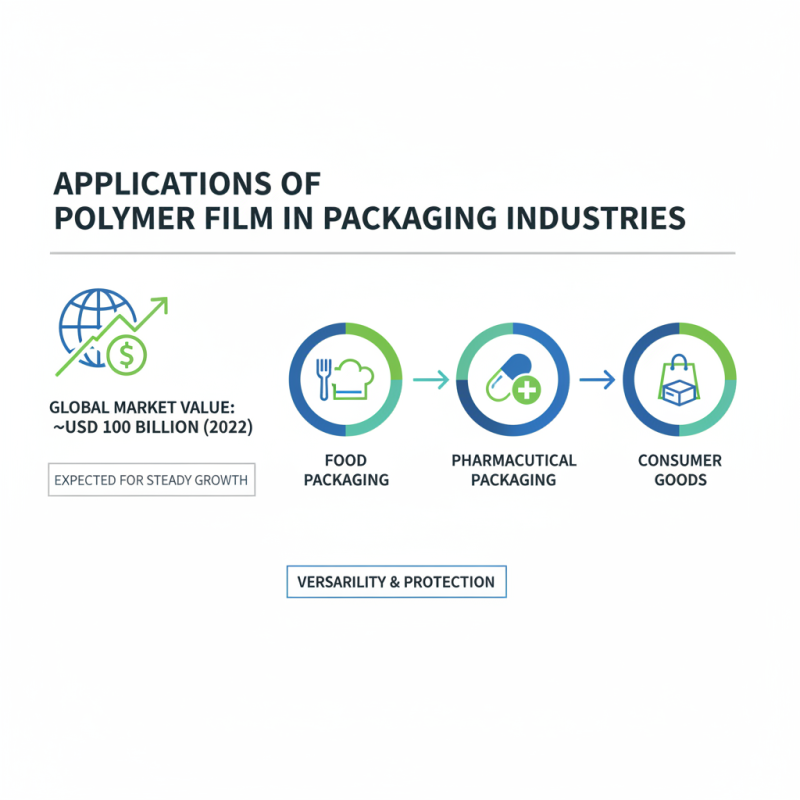
Polymer films play a vital role in the packaging industry, offering versatility and protection. The global polymer film market was valued at approximately USD 100 billion in 2022, with expectations for steady growth. Significant applications include food packaging, pharmaceutical packaging, and consumer goods.

In food packaging, polymer films provide barrier properties that protect contents from moisture and oxygen. They extend shelf life, reduce waste, and maintain product integrity. According to a report by Smithers, flexible plastic packaging is projected to account for over 40% of the total packaging market by 2025. This shift reflects consumer preferences for convenience and sustainability.

Pharmaceutical applications are equally important. Polymer films ensure product safety and compliance with stringent regulations. However, recycling these materials remains a challenge. Many polymer films are not widely accepted in recycling programs, prompting industry discussions on alternative solutions. The push for biodegradable options is essential. Balancing functionality and environmental impact will require continuous innovation and cooperation among stakeholders.

Use of Polymer Film in Electronics and Insulation

Polymer films have become crucial in the electronics sector. Their application in insulation is particularly noteworthy. A recent industry report showed that the global polymer film market would reach $100 billion by 2026, with electronics driving significant growth. The insulating properties of polymer films reduce energy loss in electronic devices. This is essential as energy efficiency becomes a priority for manufacturers.

Moreover, polymer films protect sensitive electronic components from moisture and dust. For instance, a notable study highlighted that devices using polymer films can improve longevity by 30%. Despite advancements, challenges remain. Not all polymer films provide the same level of insulation. Some have varied thermal conductivity which affects performance.

In regards to sustainability, the production of polymer films raises concerns. The environmental impact of sourcing raw materials is significant. Industry experts stress the need for eco-friendly alternatives. As electronics evolve, so must the materials that insulate them. Improvement in polymer film technology is vital for meeting future demands.

Top 10 Uses of Polymer Film in Electronics and Insulation

Polymer Film in Medical and Pharmaceutical Applications

Top 10 Uses of Polymer Film for Global Buyers?

Polymer film plays an essential role in medical and pharmaceutical applications. Its unique properties make it suitable for packaging, drug delivery, and wound care products. In packaging, polymer films provide barrier protection against moisture and contamination, enhancing shelf life and product safety. This is vital for ensuring medications preserve their efficacy and remain safe for consumer use.

In drug delivery, polymer films can be engineered for specific release rates. They can be formulated to dissolve at different rates, allowing for controlled medication release. This capability supports personalized medicine and improves patient adherence to treatment plans. However, ensuring uniformity and stability in these formulations can be challenging; the production process must be meticulously monitored.

Wound care is another area where polymer films shine. They offer flexible and breathable dressings that facilitate healing while protecting against infection. Some films can even support drug infusion directly at the wound site. Yet, not all polymer films are created equal; their biocompatibility must be thoroughly assessed to prevent adverse reactions. Continuous research is necessary to improve these materials, addressing their limitations while maximizing their potential in healthcare.

Impact of Polymer Film in Construction and Building Materials

Polymer films have transformed the construction and building materials industry. Their lightweight nature allows for easier handling and installation. These films provide excellent moisture resistance, essential for protecting structures from water damage. Moreover, they often come with superior thermal insulation properties, which can enhance energy efficiency in buildings.

The versatility of polymer films means they can be used in various applications. They serve as protective barriers in roofing systems and vapor retarders in walls. Additionally, polymer films can be incorporated into composite materials, improving strength and durability. However, not all polymer films are created equal in terms of sustainability. Some options may have environmental impacts that require careful consideration.

Despite their advantages, the use of polymer films can pose challenges. Installation must be precise to avoid issues like air pockets, which can lead to moisture accumulation. Furthermore, long-term performance can vary, and careful testing is needed to ensure reliability. This highlights the importance of selecting the right products based on the specific needs of each project.

Top 10 Uses of Polymer Film for Global Buyers - Impact of Polymer Film in Construction and Building Materials

Use Case Description Benefits Market Trends
Waterproofing Membranes Used in roofs and foundations to prevent water leakage. Enhanced durability, cost-effective, and easy application. Increasing demand in residential and commercial buildings.
Insulation Polymer films used for thermal insulation in walls and ceilings. Energy savings and environmentally friendly. Growth in energy-efficient building initiatives.
Vapor Barriers To restrict moisture migration in construction projects. Prevent mold growth and structural issues. Growing awareness of moisture control in buildings.
Flooring Underlayment Used beneath various types of flooring materials. Improves comfort and sound insulation. Trend towards multi-functional floor solutions.
Window Films Applied to glass for insulation and UV protection. Reduces energy costs and protects interiors. Rising popularity in both residential and commercial markets.
Roofing Materials Polymer films integrated into roofing systems. Long-lasting and weather-resistant. Shift towards sustainable roofing solutions.
Decorative Films Used for aesthetic finishes on both interiors and exteriors. Cost-effective customization and design flexibility. Increase in personalized building designs.
Sealing Solutions Used in joints and seams in construction materials. Enhanced air and water tightness. Growing focus on building performance and efficiency.
Protective Wrappings Wraps used during transportation and installation of materials. Prevention of damage and contamination. Increased safety standards in construction logistics.
Acoustic Barriers Polymer films applied to soundproof walls or ceilings. Reduced noise pollution and improved acoustic comfort. Growth in urban living and noise control solutions.

Sustainability and Recycling of Polymer Films in Global Markets

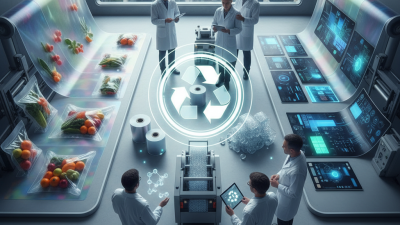
Polymer films are gaining traction in global markets due to their potential for sustainable practices. The packaging industry is a prime example, where businesses seek to reduce their carbon footprint. Many manufacturers are exploring biodegradable options, though challenges remain in ensuring these materials break down effectively. Improved recycling methods are essential for maximizing the lifecycle of polymer films.


Recycling rates for polymer films have been relatively low, prompting significant concern. Industry professionals recognize the need for better solutions to manage waste. Innovative technologies, such as chemical recycling, are being developed to convert waste into reusable materials. This approach can help divert a significant amount of plastic from landfills. Yet, awareness and infrastructure for recycling still lag behind in many regions.


Consumer behavior is also crucial for sustainability. Increasingly, buyers are favoring products made with recycled materials. However, confusion about recycling symbols can lead to improper disposal. Educating the public on proper recycling methods could enhance material recovery rates. As the demand for sustainability grows, a collaborative effort among consumers, businesses, and regulatory bodies is vital for a sustainable future in polymer film usage.