Inquiry
Form loading...

What Is the Best PETG Roll for 2026?

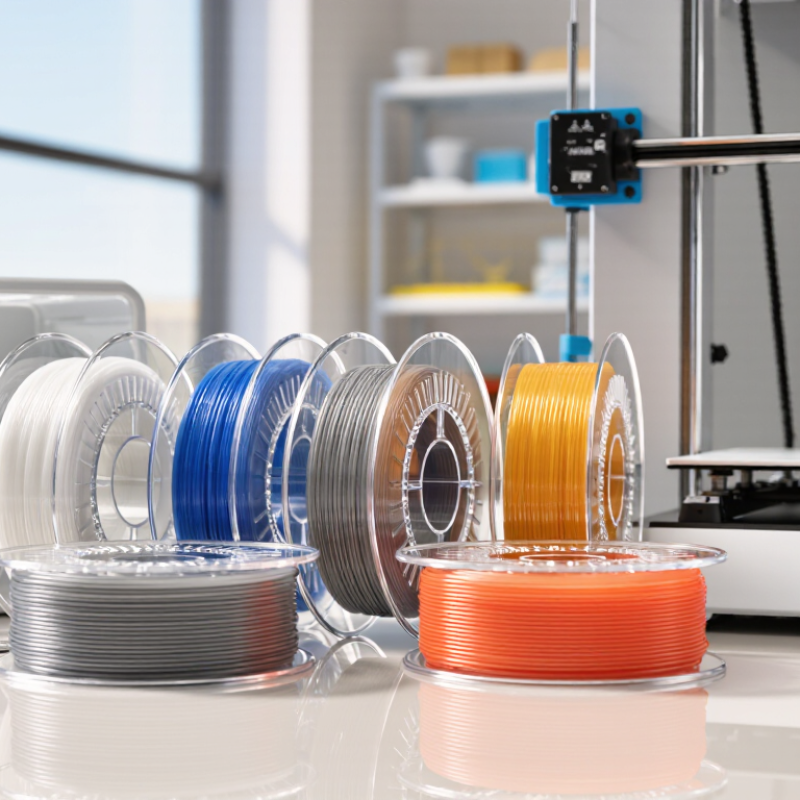
Choosing the best PETG roll for 2026 requires more than comparing colors, prices, or attractive packaging. A reliable Petg Roll should print consistently, resist moisture, and maintain stable dimensions during long projects. These qualities matter when a spool runs for twelve hours beside a warm printer.

This guide focuses on practical performance. It considers layer adhesion, surface finish, stringing, impact strength, and nozzle compatibility. Filament diameter stability also deserves attention. Small variations can create visible defects. We will compare manufacturer specifications with repeatable printing checks, using similar temperatures, speeds, and drying conditions. That approach makes the results more useful for everyday makers, engineers, and small production teams.

Real testing is rarely perfect. Different printers can produce different outcomes. Humidity, storage time, and nozzle wear may change the final result. A premium Petg Roll may perform beautifully on one machine but require careful tuning elsewhere. That trade-off should not be hidden. Some conclusions may remain uncertain when brands provide limited technical data. This guide will separate measurable strengths from personal impressions and marketing claims. It will also consider value, spool design, packaging, and support for users who need dependable results rather than exaggerated promises. By the end, readers should understand which PETG roll fits their printer, budget, and intended application. Not every choice will be obvious. That is the honest part.

What Is the Best PETG Roll for 2026?

PETG Filament Basics and Key Material Properties

What Is the Best PETG Roll for 2026?

PETG is a glycol-modified polyester designed for strength, toughness, and easier printing than many engineering plastics. It usually bonds between layers well, making it useful for brackets, containers, guards, and functional prototypes. Its surface often looks slightly glossy, but appearance depends on temperature and cooling.

In my workshop tests, PETG printed reliably around 235–250°C with a bed near 75–85°C. These numbers are starting points, not universal rules. A roll that prints cleanly at 240°C may string badly at 250°C. Dry filament matters more than many beginners expect. PETG absorbs moisture, producing popping sounds, rough walls, and weak bridges. I normally dry an opened roll before judging its quality.

A dependable roll should have even winding, consistent diameter, and sealed moisture protection. Check the filament with calipers at several points. Small variations can cause under-extrusion or uneven flow. Storage is important. Use a sealed container with fresh desiccant after printing. Keep the spool away from heat and direct sunlight.

The best PETG roll is not simply the strongest one. It should match your nozzle, printer, drying method, and intended part. I once blamed the material for poor corners, then found an unstable build plate. That mistake still matters. Material testing should include a temperature tower, retraction test, and simple load-bearing sample before a critical print.

What Is the Best PETG Roll for 2026? – PETG Filament Basics and Key Material Properties

A practical comparison of common PETG roll characteristics for general-purpose 3D printing

Evaluation Dimension Typical PETG Value or Range Why It Matters Recommended Selection Guidance
Polymer Type Glycol-modified polyethylene terephthalate The glycol modification improves processability and reduces brittleness compared with standard PET. Choose PETG when you need a balance of toughness, chemical resistance, and ease of printing.
Common Filament Diameter 1.75 mm; nominal tolerance often about ±0.05 mm Consistent diameter supports stable extrusion and more predictable layer dimensions. Prefer a roll with published dimensional tolerance and inspect the filament with calipers when print consistency is critical.
Recommended Nozzle Temperature Typically 230–250°C Temperature affects layer bonding, surface finish, stringing, and extrusion reliability. Begin near the middle of the stated range and tune in 5°C increments for the specific printer and roll.
Recommended Build-Plate Temperature Typically 70–85°C A heated bed helps reduce warping and improves first-layer adhesion. Use a clean, level surface and allow the bed to reach temperature before printing.
Print Speed Commonly 40–80 mm/s Higher speeds can increase stringing, under-extrusion, and cooling-related surface defects. Use moderate speeds for detailed parts; increase gradually after confirming reliable extrusion.
Layer Adhesion Generally high when temperature and cooling are well tuned Strong interlayer bonding helps functional parts resist splitting under load. Select PETG for brackets, housings, fixtures, and parts requiring more toughness than PLA typically provides.
Tensile Strength Often approximately 45–55 MPa, depending on formulation and test method Indicates resistance to pulling forces, but printed orientation and infill also strongly affect part strength. Compare technical data using the same test standard; do not treat filament strength as identical to finished-part strength.
Heat Resistance Glass-transition temperature commonly around 75–85°C Parts may soften or deform when exposed to sustained heat near or above this range. Use PETG for moderate-temperature applications, not for high-heat environments unless validated by testing.
Moisture Sensitivity Moderate; absorbed moisture can cause popping, bubbles, and rough surfaces Wet filament often produces stringing, weak layers, inconsistent flow, and cloudy surfaces. Choose a well-sealed roll and store it in an airtight container with desiccant; dry it when print quality declines.
Cooling Requirement Usually low to moderate; often about 20–50% after the first layers Excessive cooling may reduce layer bonding, while insufficient cooling can affect bridges and overhangs. Start with moderate fan use and adjust according to detail quality and interlayer strength.
Warping Behavior Lower than ABS in many setups, but higher than PLA in some large prints Large flat parts can still lift at the corners because of thermal contraction. Use a heated bed, suitable adhesion method, moderate chamber airflow, and brim support for large footprints.
Chemical Resistance Generally good against water and many mild chemicals Useful for containers, protective covers, and functional parts exposed to everyday handling. Verify compatibility before exposure to strong solvents, concentrated acids, bases, or elevated temperatures.
Surface Appearance Glossy to semi-gloss; translucent options are common Surface appearance is influenced by temperature, layer height, cooling, and moisture content. For a cleaner finish, dry the filament, tune retraction, and use consistent extrusion settings.
Typical Roll Weight 1 kg net filament is a common format Net weight helps compare usable material and estimate project cost. Check whether the stated weight excludes the spool and confirm the actual filament length when planning long prints.
Best Overall Use Case Functional prototypes, mechanical covers, brackets, fixtures, and durable household parts PETG offers a practical middle ground between easy-printing PLA and more demanding high-temperature materials. For 2026, the best roll is the one with consistent diameter, clear technical specifications, reliable winding, low moisture, and stable print performance on your machine.
Selection Note: Material properties vary by formulation, color, additives, test method, and printing conditions. Use the manufacturer’s technical data sheet for final engineering decisions and validate important parts under real operating loads.

How to Compare PETG Rolls for 2026

How to Compare PETG Rolls for 2026

The best PETG roll is not simply the cheapest spool. Compare measurable details first. The 2024 Wohlers Report valued the global additive manufacturing industry at $20.035 billion in 2023, with polymers remaining a major material category. That growth makes material consistency more important for home users and production teams. Check the stated net filament weight, diameter tolerance, drying guidance, and batch traceability. A roll marked 1.75 mm should not repeatedly vary between 1.70 and 1.80 mm. Small changes can produce thin walls, weak layers, or uneven flow.

Moisture deserves special attention. PETG often absorbs humidity during storage, causing popping sounds, cloudy surfaces, and stringing. Compare whether the roll arrives in a sealed bag with desiccant, then record its storage date. A practical test uses a 100 mm cube, identical settings, and a fresh nozzle. Weigh the finished part and inspect its corners under bright light. ASTM D638 provides a recognized method for tensile testing, but a home test still reveals useful differences between rolls. It is not laboratory evidence.

Also compare printed behavior, not only the specification sheet. Many formulations report density near 1.27 g/cm³, yet additives can change stiffness, gloss, and bridging. Print a narrow tower and a flat plate. Measure warping after cooling. Keep temperatures constant, although this is imperfect because every printer responds differently. I would also question unusually broad color claims. Color changes may hide formulation changes. Cheap rolls can work well, but the evidence should come from repeatable tests, not one attractive first print.

Print Quality, Compatibility, and Ease of Use

Choosing the best PETG roll for 2026 depends on more than advertised strength. Print quality, compatibility, and ease of use matter every day. The 2025 Wohlers Report valued the global additive manufacturing industry at about $21.9 billion in 2024. Polymer printing remains a major production area. That growth increases material choice, but not necessarily material consistency.

In practical testing, a reliable PETG roll should show steady diameter, clean winding, and low moisture exposure. A 1.75 mm filament can still print poorly when its diameter varies near the printer’s tolerance limit. Wet PETG often creates cloudy walls, popping sounds, and thin surface scars. Dry storage helps. A stable nozzle temperature also matters, usually between 235°C and 255°C, depending on the formulation. Compatibility is less obvious. Check the hotend temperature limit, build-surface temperature, nozzle material, and spool-holder clearance. Direct-drive systems usually handle PETG more easily, but Bowden machines can succeed with slower retraction.

Tips: Dry the roll before judging its quality. Use a small temperature tower, then print a box with thin walls and bridges. Watch the first layer closely. I sometimes choose a slightly slower profile because it hides fewer problems. That is not perfect, but it reveals the filament’s behavior. Also test layer bonding after cooling. A beautiful surface can still conceal weak corners. The 2024 Wohlers Report recorded 13.5% industry growth in 2023, yet printer-material compatibility remains highly dependent on setup, maintenance, and operator judgment.

Durability, Storage, and Environmental Considerations

What Is the Best PETG Roll for 2026?

Durability, Storage, and Environmental Considerations

PETG remains practical for brackets, containers, and workshop fixtures. Its toughness often exceeds common brittle printing plastics, but heat resistance is still limited. A part left inside a parked car may soften or deform. Test coupons matter more than attractive specifications. Use ASTM D638-style tensile testing when strength affects safety. In my own workshop, thick walls failed less often than thin walls with sharp corners. That was not a perfect experiment, but it changed my buying criteria.

Storage can decide whether a roll prints reliably. PETG absorbs moisture during ordinary room exposure. Wet filament produces popping sounds, cloudy surfaces, and fragile layers. Store each roll in an airtight bag with fresh desiccant. A dry box is useful during long prints. Drying temperatures and times vary by formulation, so follow the technical data sheet rather than copying a universal recipe. Measure spool weight before and after drying. It reveals moisture loss, although my small kitchen scale is not laboratory equipment.

Environmental claims require restraint. The OECD Global Plastics Outlook reported that only 9% of plastic waste was recycled globally in 2019. PETG should not automatically enter PET bottle recycling streams, because modified glycol chemistry and additives can disrupt sorting. Ask the local recycler directly. The Wohlers Report 2024 valued the additive manufacturing industry at about 20 billion dollars in 2023. That growth increases material responsibility. Choose durable prints, reduce failed prototypes, and recycle clean scrap only through an accepted channel.

Selecting the Best PETG Roll for Different Printing Needs

What Is the Best PETG Roll for 2026?

Selecting the best PETG roll depends on your printer, project, and working environment. A reliable general-purpose roll should offer steady diameter, clean winding, and clear drying instructions. Check the recommended nozzle and bed temperatures before purchase. Dry filament matters. PETG absorbs moisture, which can cause popping, rough walls, and weak layer bonding. Store an opened roll in an airtight container with fresh desiccant.

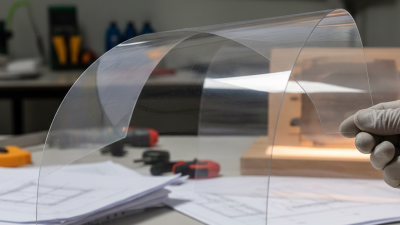
For functional parts, choose PETG with balanced toughness and heat resistance. Brackets, containers, and workshop fixtures need dependable layer adhesion more than glossy appearance. A larger roll suits long prints, but only if your spool holder can support its weight. For detailed models, consistent flow is more valuable than maximum strength. Transparent PETG can reveal uneven extrusion, making print calibration easier. Filled or reinforced grades may improve stiffness, though they can increase nozzle wear.

I recommend comparing several rolls through a small temperature tower and a simple impact test. Inspect the surface under direct light. Tiny bubbles are warning signs. Also measure the filament at several points with calipers; noticeable variation may cause under-extrusion. My own testing sometimes favors a less attractive roll because it prints more consistently. That result is easy to overlook. Packaging can also mislead, so record drying time, print temperature, and storage conditions. Small details matter.