10 Best Embossed Films for Stunning Visuals in Your Projects
In the realm of visual design, the right materials can make all the difference. Among these, embossed film stands out as a versatile choice. It adds depth and texture, creating stunning effects that capture attention. The unique dimensional quality of embossed film enhances visuals in various projects, from packaging to business cards.
Selecting the ideal embossed film can be challenging. With so many options available, knowing which provides the best效果 is essential. Some films offer a subtle touch, while others create a bold statement. It’s not always clear which will meet your project needs. Practical experience can guide you in making informed decisions.
Consider the importance of reliability in your projects. High-quality embossed films can elevate your designs significantly. However, not every film will perform as expected. Understanding the various factors at play—like finish, thickness, and color—can lead to more effective results. Remember that what works for one may not work for another. So, careful consideration is key.
The Importance of Choosing the Right Embossed Film for Visual Impact
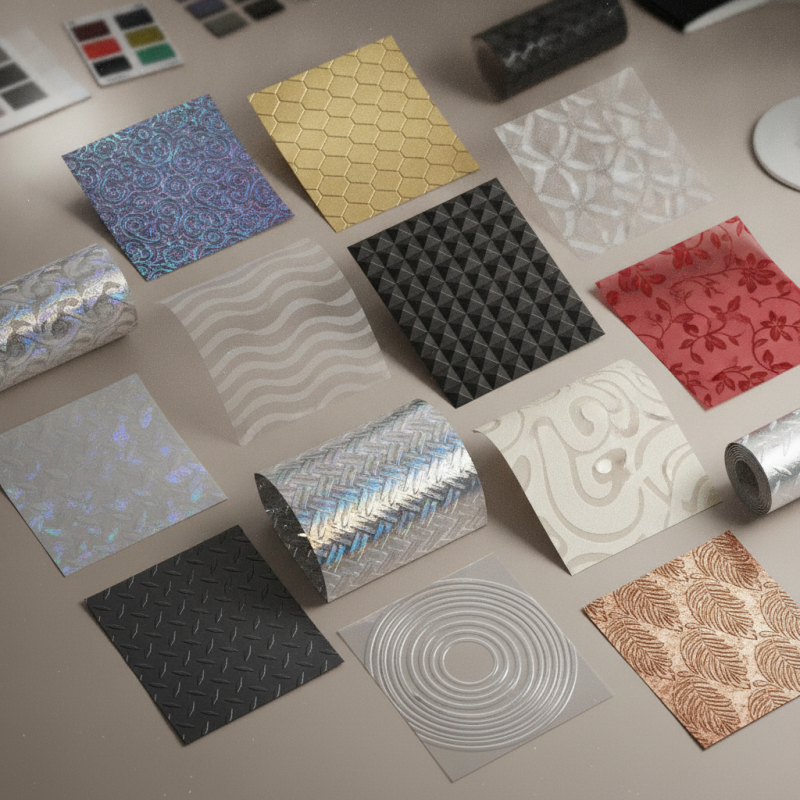
When it comes to creating visually impactful projects, the choice of embossed film is critical. According to a recent industry report, approximately 75% of designers agree that the right film enhances the overall aesthetic. Selecting an appropriate embossed film can significantly elevate product presentation, making it more appealing to potential customers. The tactile nature of embossed films adds depth, capturing attention effectively.
The embossing technique itself varies widely. Some films offer subtle textures, while others feature bold patterns. A report by the Visual Branding Institute notes that brands using textured films see a 20% higher engagement rate than those that don't. However, not all films perform equally across different applications. For instance, incorrect material choices can lead to clarity issues or color distortions, undermining the intended visual impact. Poor selection may even misrepresent a brand’s identity, ultimately resulting in lost consumer trust. Careful evaluation of the film's properties—such as thickness, durability, and finish—should guide decision-making.
Top Characteristics to Look for in High-Quality Embossed Films
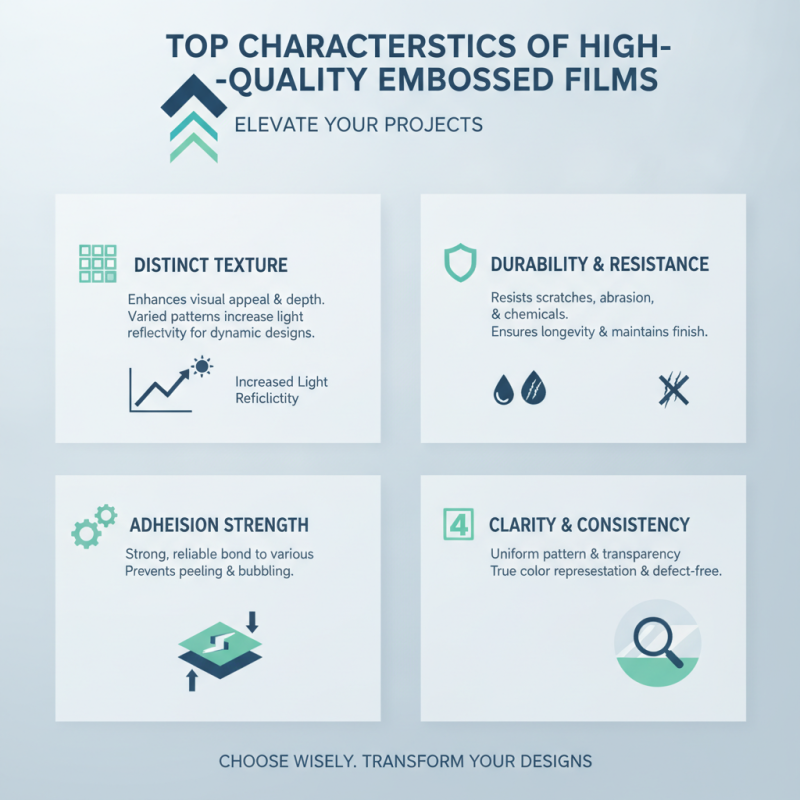
High-quality embossed films can elevate any project significantly. When selecting the right film, certain characteristics become essential. First, consider the texture. A film with a distinct texture can enhance visual appeal. According to industry data, films with varied embossing patterns increase light reflectivity. This results in more dynamic designs that capture attention effectively.
Another critical factor is durability. High-quality films should resist wear and tear over time. Research indicates that films reinforced with UV protection offer prolonged lifespan and consistent aesthetics. Additionally, the thickness of the film plays a vital role. Thicker films generally provide better resistance to damage while maintaining a luxurious feel.
Tips: Always test different embossed samples before making your choice. This ensures that the film aligns with your specific project needs. Look for films that showcase superior adhesion quality. A reliable adhesive backing can prevent bubbling or peeling, ensuring a flawless finish. Don't rush your selection; the right film choice can make or break your project.
Market Trends: Popular Types of Embossed Films in 2023
Embossed films are gaining traction in various industries due to their visual appeal. In 2023, the market for these films is expected to grow significantly. A recent report from the Global Embossed Films Market indicates an increase of about 8% annually. This growth highlights a rising demand for visually captivating materials in packaging and branding.
Among the popular types of embossed films this year, metallic finishes and textured surfaces stand out. Brands aim to create tactile experiences with their products. Studies suggest that textured packaging can boost sales by up to 20%. Consumers are drawn to unique and innovative designs, impacting their purchasing decisions. Yet, designers must balance creativity with functionality.
Sustainability remains a concern in the embossed film sector. There is a push for eco-friendly materials that do not compromise visual quality. Innovations are needed to address both aesthetic and environmental needs. Manufacturers face challenges in sourcing these materials while maintaining competitive prices. It's essential to reflect on the implications of choosing the right embossed film for projects.
Applications of Embossed Films in Graphic Design and Packaging Industries
Embossed films are increasingly popular in graphic design and packaging. They elevate visual appeal by adding texture. According to a report by Smithers Pira, the global market for embossed films is expected to grow by 4.5% annually. This rise signals the growing importance of tactile experiences in consumer products.
In graphic design, embossed films create depth and interest. They reflect light uniquely, enhancing colors and patterns. Designers can use them for book covers, business cards, and promotional materials. A study from the International Journal of Design indicates that visual texture affects consumer perception and engagement. This impact shows why embossed films are a valuable tool for designers.
In packaging, these films serve more than aesthetics. They can protect products and improve shelf presence. A survey by Packaging Strategies found that 70% of consumers notice packaging before the product itself. When embossed films are used, packaging becomes more appealing. However, the challenge remains. Choosing the right material is crucial for achieving desired effects. Not every embossed film suits every product. This is an important consideration for brands.
Case Studies: Successful Projects Utilizing Embossed Films
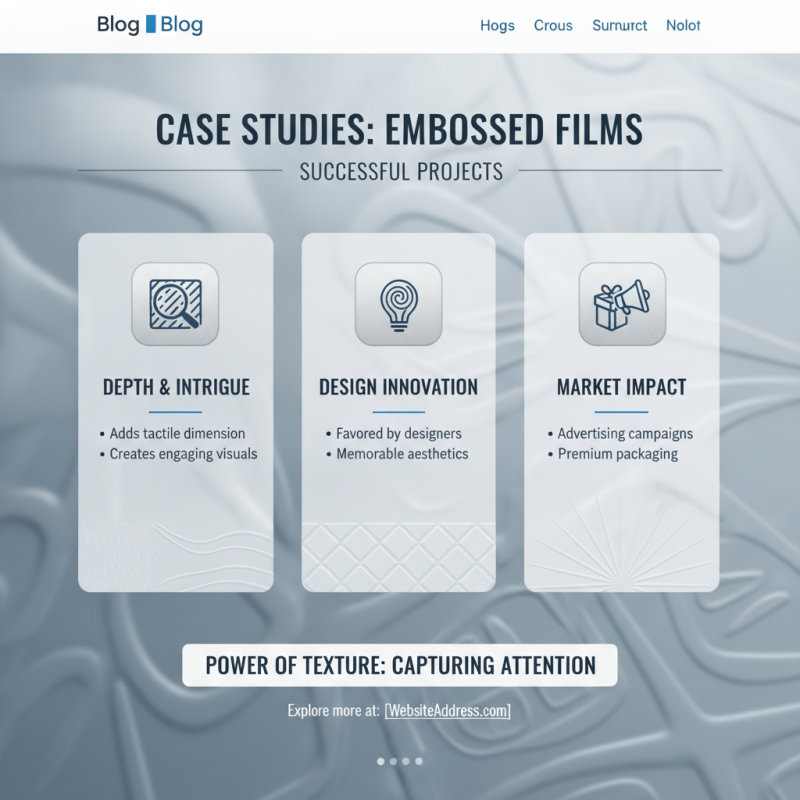
Embossed films have gained popularity for adding depth and intrigue to various projects. Many successful designers have embraced these films to create memorable visuals. In recent cases, campaigns in advertising and packaging showcased the benefits of using embossed films. These projects demonstrate the power of texture in capturing audience attention.
One notable project involved a high-end fragrance launch. The use of an embossed film created a tactile experience, attracting consumers in a crowded market. The subtle sheen and raised patterns conveyed luxury and elegance. However, challenges arose in achieving consistency in production. Some samples appeared uneven, highlighting the need for meticulous quality control.
When working with embossed films, consider these tips. Focus on the design elements that will enhance your concept. Use contrast wisely; it can make embossed features stand out. Testing different finishes before finalizing your choice can prevent unexpected results. Keep in mind that despite advancements, imperfections can occur. Embrace them as part of the creative process, allowing room for innovation and discovery.

 1Durch die gruppenweite Einführung und Harmonisierung unseres integrierten Managementsystems (IMS) werden alle bestehenden Unternehmens-, Qualitäts-, Umwelt- und Energiepolitiken durch diese Unternehmenspolitik ersetzt. Der Slogan „Textil hat Zukunft – auch in De