Inquiry
Form loading...

Top 10 Uses of Embossed Film in China Today?

Embossed Film is increasingly making waves in various industries in China. Experts like Dr. Liu Wei, a specialist in advanced materials, note, "The versatility of embossed film opens new avenues for innovation." His insights reflect the growing significance of this material.

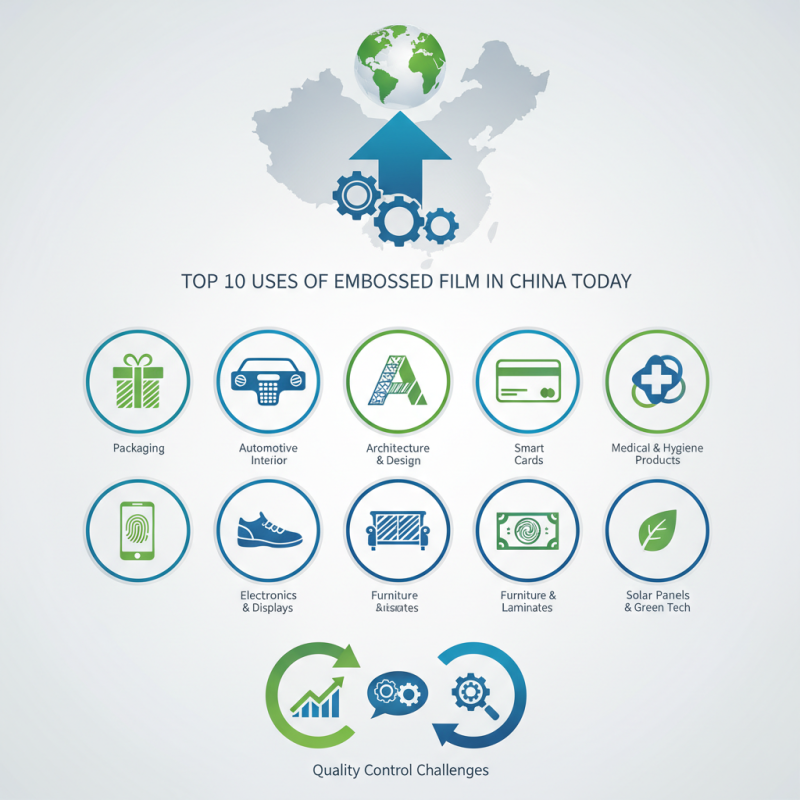
This innovative film is used in packaging, automotive, and design sectors. In packaging, it enhances product visibility and aesthetic appeal. In automotive applications, embossed film contributes to interior design, making vehicles appealing.

The rise of embossed film is not without challenges. Quality control remains an issue in production, affecting reliability. As industries evolve, the demand for improved features persists. Fostering dialogues around these issues can lead to better solutions. Exploring the top uses of embossed film reveals its potential and areas needing improvement.

Top 10 Uses of Embossed Film in China Today?

Current Trends in Embossed Film Applications in China

Embossed film has gained popularity in various sectors across China. Its textured surface adds a unique aesthetic appeal. This film is commonly used in packaging materials. The tactile experience enhances product visibility on store shelves. With e-commerce on the rise, brands seek innovative ways to stand out. Embossed film serves this purpose effectively.

In the automotive industry, embossed films provide practical benefits. These films are used for dashboards and interior components. They can reduce glare and improve aesthetics. However, reliance on embossed films may lead to increased costs for manufacturers. Balancing quality and affordability is essential.

Sustainability is a growing concern. Some producers are investing in eco-friendly embossed films. These materials maintain design integrity while reducing environmental impact. However, the challenge lies in scalability. Can production meet the demands without compromising quality? Addressing these questions will shape the future of embossed film in China.

Top 10 Uses of Embossed Film in China Today

Application Area Description Current Trend Market Share (%)
Automotive Interior Used for dashboards, trims, and seat covers to enhance aesthetics. Increasing demand for luxury interiors. 25%
Packaging Utilized in food packaging for enhanced visibility and texture. Sustainable packaging solutions on the rise. 20%
Building Materials Applied in wall panels and flooring for visual appeal. Growing interest in aesthetic construction. 15%
Consumer Electronics Used for phone cases and other gadgets for enhanced grip. Rapid innovation in tech accessories. 10%
Fashion and Textiles Employed in clothing and accessories for unique styles. Trend towards customization in fashion. 8%
Home Decor Used in decorative items and furniture for texture. Increasing focus on home aesthetics. 7%
Toys and Games Applied in educational toys to enhance tactile experience. Focus on enriching childhood learning experiences. 5%
Medical Applications Used in medical devices for better handling and grip. Rising demand for user-friendly medical tools. 3%
Advertising and Marketing Utilized in promotional materials for a distinctive appearance. Innovative marketing strategies integrating textures. 2%
Personal Care Products Applied in packaging for a premium look and feel. Growth in the luxury personal care market. 2%

Key Industries Utilizing Embossed Film Products

Embossed film has emerged as a vital component in various industries across China. The packaging industry is one of the primary beneficiaries. Companies use embossed film to create unique textures, boosting brand recognition. The visual appeal attracts consumers, driving sales. Moreover, these films enhance product protection during transport.

The automotive industry also sees the utility of embossed film. It beautifies interiors and provides grip on various surfaces. Enhanced aesthetic value is crucial for attracting customers. Further, this type of film is resistant to wear and tear, making it suitable for long-term use. However, many manufacturers still need to fine-tune their processes to maximize efficiency.

Tips: Always consider the thickness of the embossed film. This aspect affects durability and application versatility. Additionally, not all textures work for every product, so testing different options is essential. Reflecting on previous applications can lead to better outcomes in the future.

Innovative Design and Aesthetic Benefits of Embossed Film

The use of embossed film in design is transforming aesthetics across various industries in China. With its unique texture, it adds depth and character to products. According to market research, the embossed film market in China grew by over 15% in the last year. This growth reflects a rising consumer preference for visually engaging products.

The aesthetic benefits of embossed film are significant. Textured surfaces attract attention and can evoke emotional responses. In packaging, for instance, embossed films enhance perceived value. Data shows that products with embossed elements increase perceived quality by 25%. This is crucial in a competitive market where design influences purchasing decisions.

However, challenges exist in the use of embossed films. Manufacturers must balance aesthetics with production costs. Embossed films often require specialized machinery, which can be a barrier for smaller companies. Additionally, environmental concerns related to plastic usage shape the industry’s future. Innovations in sustainable materials are needed to address these issues while retaining aesthetic appeal.

Top 10 Uses of Embossed Film in China Today

Sustainable Practices in the Production of Embossed Film

Top 10 Uses of Embossed Film in China Today?

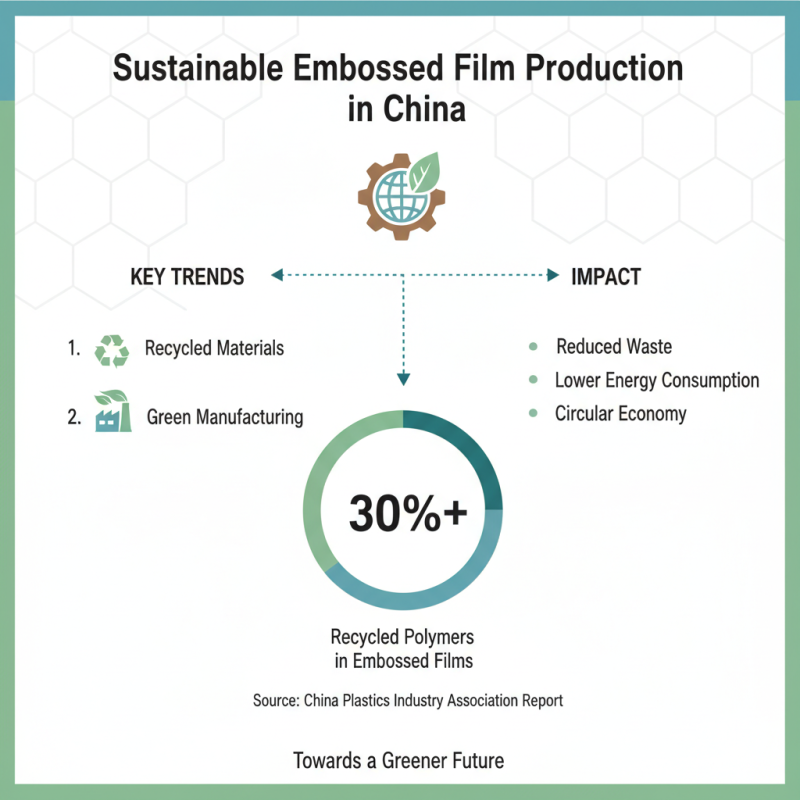
The production of embossed film in China is increasingly focused on sustainable practices. One notable trend is the use of recycled materials. It contributes significantly to reducing waste and energy consumption. A report from the China Plastic Industry Association shows that over 30% of embossed films now incorporate recycled polymers. This shift is encouraging manufacturers to adopt greener practices.

Another important aspect is the reduction of harmful chemicals in the production process. Many factories are now using eco-friendly adhesives and inks. This change minimizes environmental impact and improves workplace safety. Data from a recent environmental assessment indicated a 25% decrease in VOC emissions from updated production techniques. However, challenges remain in ensuring that all materials used meet sustainability standards.

While the industry is making strides, the journey is not without its obstacles. Some manufacturers still struggle with sourcing fully sustainable raw materials. The reliance on traditional resources can hinder progress. Nonetheless, the commitment to sustainability is evident, as many companies are actively investing in research and development for better practices. The path forward will require continued effort and innovation to realize a fully sustainable future in embossed film production.

Future Prospects and Market Growth for Embossed Film in China

Top 10 Uses of Embossed Film in China Today?

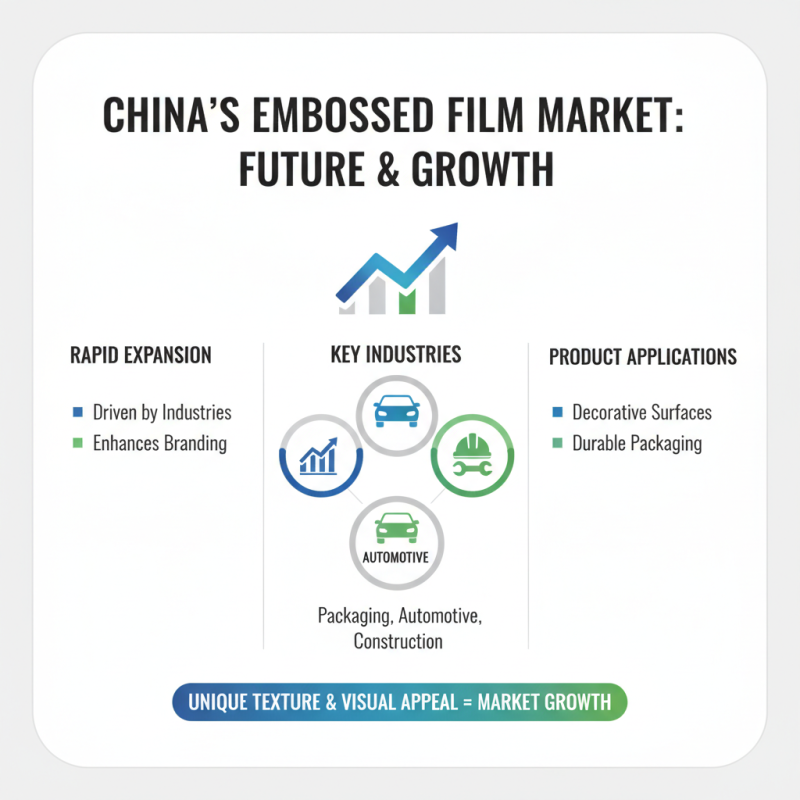
The market for embossed film in China is rapidly expanding. This growth is driven by several industries, including packaging, automotive, and construction. Embossed films offer unique texture and visual appeal, enhancing product branding. They are used in everything from decorative surfaces to durable packaging materials.

Future prospects look promising. With an increasing demand for sustainable materials, manufacturers are exploring eco-friendly embossed films. The move towards biodegradable options could reshape the industry. However, challenges remain, such as competition from alternative materials. Companies must innovate to stay relevant.

Tip: Explore ways to integrate embossed film into your product designs early in the development process. This can set your brand apart in a crowded market.

Additionally, understanding consumer preferences will be crucial. Research shows that texture and aesthetics significantly influence buying decisions. It's essential to adapt to these changing trends.

Tip: Regularly survey your target audience to gauge their interests. This feedback will guide your product enhancements.