How to Use Embossed Film for Stunning Visual Effects?
Embossed Film has become a game-changer in the visual effects industry. Its three-dimensional textures can transform ordinary designs into captivating works of art. According to Sam Richards, an expert in visual design, “Using Embossed Film can elevate a project and captivate the audience’s attention.” This statement encapsulates the potential of this innovative material.
Design professionals are constantly seeking ways to enhance their projects. Embossed Film provides a unique approach by adding depth and tactile elements. Its versatility allows for a wide range of applications. From packaging to interior decor, the use of this film can set creative works apart. However, the technique does require thoughtful consideration of its placement within the overall design.
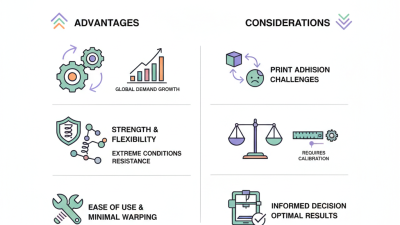
While Embossed Film presents exciting opportunities, it also poses challenges. Finding the right balance between texture and functionality is crucial. Overusing embossed elements can overwhelm the intended message. Designers must reflect on their choices and the impact of each decision. In the ever-evolving world of visual aesthetics, Embossed Film holds undeniable potential, but it requires careful execution to truly shine.

Understanding the Basics of Embossed Film in Visual Design
Embossed film is a captivating element in visual design. This material adds texture and depth, making graphics pop. According to a recent industry report, designs incorporating embossed effects have seen a 30% increase in consumer engagement. It's an impressive statistic that shows how tactile visuals resonate with audiences.
Understanding how to implement embossed film requires some foundational knowledge. This process involves creating raised patterns on a surface, enhancing the aesthetic appeal. Designers need to consider the contrast and light reflection in their designs. A well-executed embossed effect can create a sense of luxury and sophistication. However, too much embossing can overwhelm a design. Striking the right balance is essential.
When using embossed film, attention to detail is crucial. Imperfections can sometimes be beneficial. A slightly uneven texture can create an organic feel, appealing to certain market segments. Integrating embossed film should not be about uniformity alone. The goal is to create meaningful visual experiences that engage viewers. Understanding both the benefits and drawbacks of this technique allows designers to make informed choices that elevate their work.
Key Types of Embossed Films and Their Unique Visual Effects
Embossed films create unique visual effects that can enhance various materials. Different types offer distinct features. One popular type is the clear embossed film, which adds depth and dimension. It is often used in packaging to attract consumers' attention. According to market research, the global embossed film market was valued at approximately $2.5 billion in 2022, with consistent annual growth projected.
Metallic embossed films are another category worth noting. They reflect light and create a luxurious appearance. This type is often utilized in high-end product packaging and label designs. A recent survey indicated that over 40% of consumers prefer products with attractive packaging. The visual appeal of embossed effects can, therefore, influence purchasing decisions significantly.
Tip: Experiment with different embossed patterns to find what works best for your design. Not every texture may fit your brand's image or message. Consider conducting focus groups to gauge consumer responses. Remember, while embossed films can elevate visuals, poor combinations can detract from brand identity. Always evaluate how designs align with your target market's preferences.
Application Techniques for Achieving Stunning Embossed Effects
Embossed film can create breathtaking visual effects when applied correctly. To achieve stunning results, it's essential to understand the techniques involved. One common method is using heat with a die or mold. This process allows the film to retain the texture, resulting in unique patterns. Adjusting temperature and pressure is crucial. Too much heat can warp the film, while too little may fail to create the desired effect.
Another technique involves layering. Multiple embossing processes can enhance depth and complexity. Experimenting with different layers adds richness to design. However, it requires precision. Misalignment can ruin the overall look. Observing the details in your work is vital for success. Consider the type of substrate used as well. It can affect adherence and finish quality.
Don't shy away from imperfections in your designs. Embracing flaws can lead to unexpected artistry. Sometimes, mistakes inspire new techniques or ideas. Always be willing to reflect on your work. Keep learning and adapting. This mindset helps grow your embossed film skills.
Usage of Embossed Film in Various Applications
Industry Insights: Market Trends in Embossed Film Usage
The embossed film market has experienced significant growth over the past few years. According to a market analysis report published by Grand View Research, the global embossed film market is expected to reach USD 2.6 billion by 2026, driven by increasing demand in packaging and decorative applications. Notably, the automotive sector has also started incorporating embossed films to enhance aesthetics. This trend reflects a shift toward integrating visual appeal with functionality.
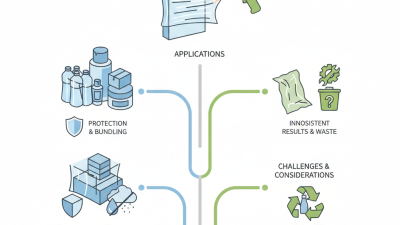
However, challenges remain. Despite the growing interest, the technology for producing high-quality embossed films can be costly. Manufacturers face hurdles in achieving consistent quality and texture across large batches. Additionally, environmental concerns regarding plastic use are pushing companies to seek sustainable alternatives. The rise of eco-conscious consumers adds pressure to innovate within the embossed film sector.
Moreover, understanding regional preferences and trends is critical. In Asia-Pacific, the uptake of embossed films is particularly high, attributed to booming construction and packaging industries. In contrast, North America and Europe are focusing on regulatory compliance and recyclability. This division highlights the necessity for companies to adapt their strategies based on local market insights. Getting it right involves navigating these complexities while maintaining creative and functional integrity in embossed film applications.
Case Studies: Successful Projects Using Embossed Film Techniques
Embossed film techniques have transformed many visual projects, creating remarkable effects. One notable case study involved a documentary that paired vibrant embossed visuals with storytelling. The dynamic textures added depth, drawing viewers into the narrative. Producers shared insights on how the tactile quality of the film heightened emotional responses.
Another project showcased a fashion brand that integrated embossed film into their packaging. This choice not only enhanced aesthetic appeal but also reinforced brand identity. Customers often remarked on the luxurious feel of the embossed elements. However, the team faced challenges with consistency across different production batches. The experience taught them the importance of quality control.
Through these examples, the effectiveness of embossed film is clear. It elevates projects, adding layers of engagement. Yet, it's essential to recognize the potential pitfalls. A careful approach and continuous learning can lead to even more stunning applications in the future.

 1Durch die gruppenweite Einführung und Harmonisierung unseres integrierten Managementsystems (IMS) werden alle bestehenden Unternehmens-, Qualitäts-, Umwelt- und Energiepolitiken durch diese Unternehmenspolitik ersetzt. Der Slogan „Textil hat Zukunft – auch in De