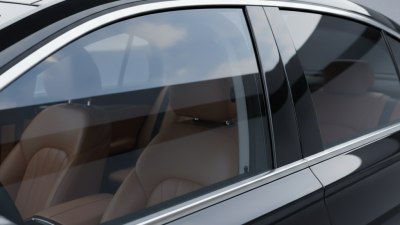
Best Plastic Tint Film Options for Your Vehicle in 2026?
In the fast-evolving automotive industry, choosing the right Plastic Tint Film for your vehicle is crucial. By 2026, demand for high-quality tint films has surged, reflecting a growing awareness of their benefits. According to industry reports, the global window film market is expected to reach $10 billion by 2026, with Plastic Tint Film accounting for a significant portion of this growth.
Plastic Tint Film not only enhances vehicle aesthetics but also provides essential sun protection. A recent study revealed that high-quality films can reject up to 99% of harmful UV rays. However, not all films are created equal. Many consumers report dissatisfaction due to fading or bubbling issues after installation. This highlights the need for careful selection and expert advice when choosing a product.
As you explore the best options for Plastic Tint Film, consider quality over cost. While budget films may seem appealing, they often lead to frustration down the line. Investing in reputable brands with proven performance can save money and enhance your driving experience. Remember, the right film not only protects your vehicle but also adds to its value in the long run.
Best Plastic Tint Film Types for Different Vehicle Models in 2026
When choosing the best plastic tint film for your vehicle in 2026, consider the type that suits your make and model. Different vehicles have distinct shapes and windows, which affect how film adheres. For sedans, opt for medium-density film. It provides a good balance of privacy and visibility. SUVs often have larger windows, demanding thicker films for better heat rejection.
Tips: Check the film's heat absorption rating. A film with high heat rejection can enhance comfort. Also, ensure proper installation to avoid bubbles.
For sports cars, you might prefer premium films. They offer superior clarity and aesthetic appeal. Make sure to choose films that resist scratches for long-lasting performance. Vans, on the other hand, can benefit from darker films. They provide an extra layer of security.
Tips: Always read reviews before purchasing. Real user experiences can shed light on film durability. Also, consider how local climate may affect film performance.
Key Features to Look for in Plastic Tint Films for Vehicles
When selecting plastic tint films for your vehicle, key features significantly impact performance. Look for UV protection. A high percentage of UV blockage can prevent skin damage and preserve the interior. Films that promise 99% UV protection are ideal for sunny climates.
Next, consider heat rejection capabilities. Quality films can keep your car cooler, which enhances passenger comfort. Some films are engineered to reflect heat, reducing reliance on air conditioning. This can lead to fuel savings over time, a win-win scenario.
Also, examine the film's durability. Strong films resist scratches and weathering. They should maintain clarity, even after years of exposure. A good warranty often reflects the manufacturer's confidence in their product.
Remember, installation quality matters. Poorly applied films can bubble or peel. Researching installation options is crucial. Many prefer DIY kits for cost savings, but expertise often leads to better results.
Comparative Analysis of Top Plastic Tint Film Brands for 2026
When considering plastic tint films for vehicles in 2026, it's essential to evaluate various brands. Each brand often emphasizes unique features, like UV protection or heat rejection. The effectiveness of these films can vary greatly. Some offer superior durability, while others may fade quickly under sunlight.
[Image]
A notable concern with many plastic tint films is their installation process. Improper application can lead to bubbling or peeling. It’s important to research installation techniques. A professional installation may be worth the investment, especially for complex vehicle shapes. User reviews often highlight these issues.
In addition, the cost of tint films can differ dramatically across brands. While some affordable options provide decent performance, others justify their higher price with innovative technology. Reflective films, for example, can enhance privacy but may alter the vehicle's appearance. Always weigh the pros and cons based on personal preferences and regional regulations.
Installation Tips for Achieving Optimal Results with Plastic Tint Films
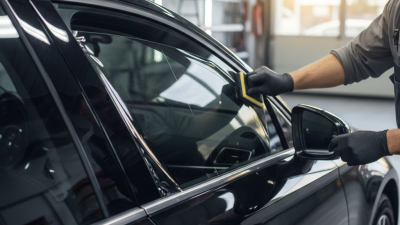
When installing plastic tint films on vehicles, achieving optimal results requires attention to detail.
Precise preparation is essential. Clean your windows thoroughly to remove dirt and debris. Reports indicate that improper cleaning can reduce film adhesion by up to 30%.
Use a microfiber cloth and a specialized window cleaner for best results.
Timing the installation is crucial. Ideally, apply film in moderate temperatures between 70°F to 80°F.
This range allows the adhesive to bond better. Experts suggest that extreme temperatures can alter the film's effectiveness, leading to installation flaws.
Moreover, humidity levels should be monitored as high humidity can also hinder adhesion.
A few important tips: avoid bubbles during application by using a squeegee.
Press from the center to the edges while the film is still wet. This helps push air out efficiently. Remember, practice makes perfect.
If a mistake occurs, don’t hesitate to remove the film and start again. An imperfect job can lead to peeling or fading, which diminishes the aesthetic and functional benefits of tinting.
Legal Considerations for Vehicle Window Tinting in 2026
When considering vehicle window tinting in 2026, understanding legal regulations is vital. Laws vary by state and country, often relating to darkness, reflectivity, and specific window types. Some regions have strict guidelines on the percentage of light allowed through tinted windows. It’s important to check these rules before applying any film to your car. Ignoring local laws can lead to fines or complications during vehicle inspections.
Moreover, not all tint films are created equal. Some may offer more privacy but violate legal standards. Researching the specific tint regulations in your area can prevent future issues. Additionally, some people may find they desire a darker tint for aesthetics. This choice might conflict with legality. It’s essential to balance personal preference with compliance. The consequences of non-compliance can lead to expensive removal or modifications, which many overlook.
Being informed is key. Utilize official resources or consult with professionals before making decisions. Make sure that the products you choose align with the legal framework around vehicle window tinting. Each decision carries weight, and a moment's oversight could lead to long-term problems. Reflecting on these aspects before investing in tint can save time and stress later.

 1Durch die gruppenweite Einführung und Harmonisierung unseres integrierten Managementsystems (IMS) werden alle bestehenden Unternehmens-, Qualitäts-, Umwelt- und Energiepolitiken durch diese Unternehmenspolitik ersetzt. Der Slogan „Textil hat Zukunft – auch in De