2026 Best Polymer Film Innovations for Sustainable Packaging Solutions?
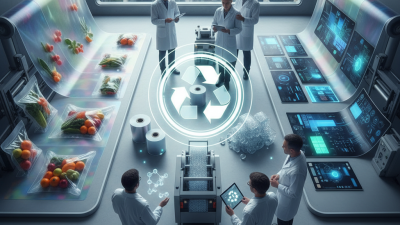
As the world grapples with sustainability, the polymer film industry stands at the forefront of innovation. In 2026, we see remarkable advancements that align with eco-friendly packaging solutions. According to Dr. Emily Carter, a leading expert in polymer materials, “The evolution of polymer film is pivotal for sustainable packaging.” This perspective underscores the significance of innovation in reducing environmental impact.
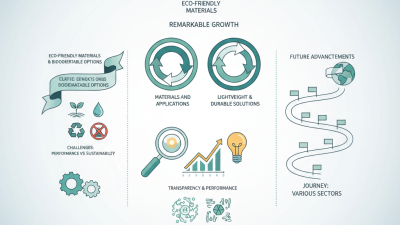
The advancements in polymer film technology reveal both promise and challenges. Recent innovations focus on biodegradable materials and recyclable options that meet consumer demands. However, not all solutions are perfect. There remain concerns about the production processes and lifecycle of these films. Many companies are still exploring how to reduce their carbon footprint.
In light of these developments, the road ahead is complex. The polymer film industry must balance functionality, cost, and sustainability. Moreover, continuous evaluation of these innovations is essential. Can we truly create a packaging solution that is both sustainable and effective? The dialogue surrounding these questions will shape the future of polymer films and our environment.

2026 Trends in Polymer Film Innovations for Sustainable Packaging
In 2026, polymer film innovations are set to reshape sustainable packaging. With rising environmental concerns, the demand for eco-friendly materials has surged. A recent industry report indicates that the global green packaging market is expected to reach $650 billion by 2027. This trend highlights the critical role of polymer films in creating sustainable alternatives.
Polymer films, made from renewable resources, can significantly reduce environmental impact. These films decompose more efficiently than traditional plastics. Innovations, like bio-based films and compostable options, offer promising solutions. Some studies suggest that these materials can reduce carbon footprints by up to 50%. However, challenges remain. Many bio-based films still lack the mechanical properties of conventional plastics. This gap needs further exploration and development.
**Tips:** Choosing the right type of polymer film is essential. Consider the specific packaging requirements to ensure performance. Engage with industry experts to stay informed on sustainable innovations. Testing new materials can offer insights into their viability for your needs. Embracing these innovations is vital for a greener future, but ongoing evaluation is necessary to address evolving challenges.
Key Sustainable Polymer Materials Enhancing Film Performance in 2026
In 2026, the polymer film market is witnessing innovative advancements aimed at sustainability. Key materials are emerging that enhance film performance while minimizing environmental impact. According to a recent report from the Bioplastics Association, the global bioplastics market is expected to reach $44 billion by 2026. This projection reflects a shift towards sustainable packaging options.
Polylactic acid (PLA) films are gaining traction due to their compostable nature. They are derived from renewable resources like corn starch, reducing reliance on fossil fuels. The European Bioplastics organization highlights that PLA usage in packaging may increase by 25% annually. However, challenges remain in terms of recycling infrastructure and performance under various environmental conditions.
Additionally, polyhydroxyalkanoates (PHAs) provide a promising alternative. These materials are biodegradable and produced by microorganisms. They offer great flexibility and barrier properties, crucial for food preservation. Industry reports indicate that PHAs could dominate niche markets by 2026, yet concerns about scalability and production costs persist. Efforts are ongoing to enhance production efficiency and reduce costs. The drive for sustainable solutions is evident, but the complexity of material properties and recycling processes calls for ongoing innovation and reflection.
Industry Statistics: Growth of Eco-Friendly Polymer Films in Packaging Sector
The packaging sector is witnessing a rapid shift toward
eco-friendly polymer films.
Industry statistics highlight the growing adoption of these sustainable materials. In recent years,
demand for environmentally friendly packaging solutions has surged. Market analysts report a steady
increase in the use of bioplastics and recycled polymers.
This trend reflects consumers' rising awareness of environmental issues.
Innovations in polymer film technology play a crucial role. Companies are developing films that not
only reduce waste but are also cost-effective. However, challenges persist. Many manufacturers struggle
with sourcing sustainable raw materials at scale. Additionally, the performance of these films must
match traditional options. Finding a balance between sustainability and functionality remains a
critical concern.
Despite these obstacles, the outlook is promising. The commitment to sustainable practices is stronger
than ever. As companies continue to innovate, the packaging landscape will evolve. The future of
polymer films holds much potential, yet the journey requires careful consideration of environmental
impacts and practical applications.
Case Studies: Successful Implementations of Sustainable Polymer Films
Sustainable polymer films have become pivotal in packaging solutions. Companies are actively implementing innovations that reduce environmental impact. One notable case study involves a food company. They switched to biodegradable polymer films for their product packaging. This transition not only cut down waste but also attracted eco-conscious consumers. Shoppers appreciate brands prioritizing sustainability, enhancing customer loyalty.
Another example comes from the cosmetic industry. A beauty brand revolutionized its packaging by utilizing compostable polymer films. This change reduced plastic usage significantly. The brand's marketing highlighted these changes, making it an appealing choice for consumers. However, challenges exist. Some polymer films may not fully decompose in certain conditions. This limitation necessitates further innovations to ensure complete sustainability.
Improvements in polymer formulations are essential for wider adoption. Testing different biopolymers can yield better results in performance and environmental impact. Continuous research is vital to refine these materials. Nonetheless, feedback from consumers indicated a need for transparency in material sourcing. Companies should not only innovate but also communicate their practices clearly. The journey toward sustainable packaging is ongoing, and each case offers valuable lessons.
2026 Best Polymer Film Innovations for Sustainable Packaging Solutions
| Innovation |
Material Type |
Application |
Sustainability Impact |
Implementation Year |
| Biodegradable Polyethylene Film |
PE |
Food Packaging |
Compostable in industrial conditions |
2026 |
| Recycled PET Film |
rPET |
Beverage Packaging |
Reduction in virgin plastic use |
2025 |
| Plant-based Polymer Film |
PLA |
Snack Packaging |
Low carbon footprint |
2026 |
| Multilayer Barrier Films |
Bio-based Materials |
Medical Packaging |
Enhanced shelf life with eco-friendly materials |
2026 |
| Compostable Laminates |
Starch-based Blends |
Frozen Food Packaging |
100% compostable |
2025 |
Future Projections: Market Impact of Innovative Polymer Film Solutions
As the demand for sustainable packaging solutions rises,
innovative polymer films are set to reshape the market. These films are designed to minimize waste while maintaining performance.
Companies are exploring materials that reduce the carbon footprint. This could revolutionize how products are packaged.
In 2026, we expect significant market shifts due to these innovations. Various industries are testing new polymer formulations.
They aim to enhance biodegradability and recyclability. Many prototypes are currently under evaluation.
However, challenges remain in balancing cost and performance. Achieving widespread adoption may take time.
The impact of these innovations reaches beyond sustainability. Consumer preferences are evolving, and companies must adapt.
There's a growing need for transparency in packaging materials. Stakeholders must consider consumer education about these new solutions.
The journey of innovation is rarely linear, and continuous feedback will be crucial for success.

 1Durch die gruppenweite Einführung und Harmonisierung unseres integrierten Managementsystems (IMS) werden alle bestehenden Unternehmens-, Qualitäts-, Umwelt- und Energiepolitiken durch diese Unternehmenspolitik ersetzt. Der Slogan „Textil hat Zukunft – auch in De