China Top Polymer Film Innovations and Trends in the Industry?
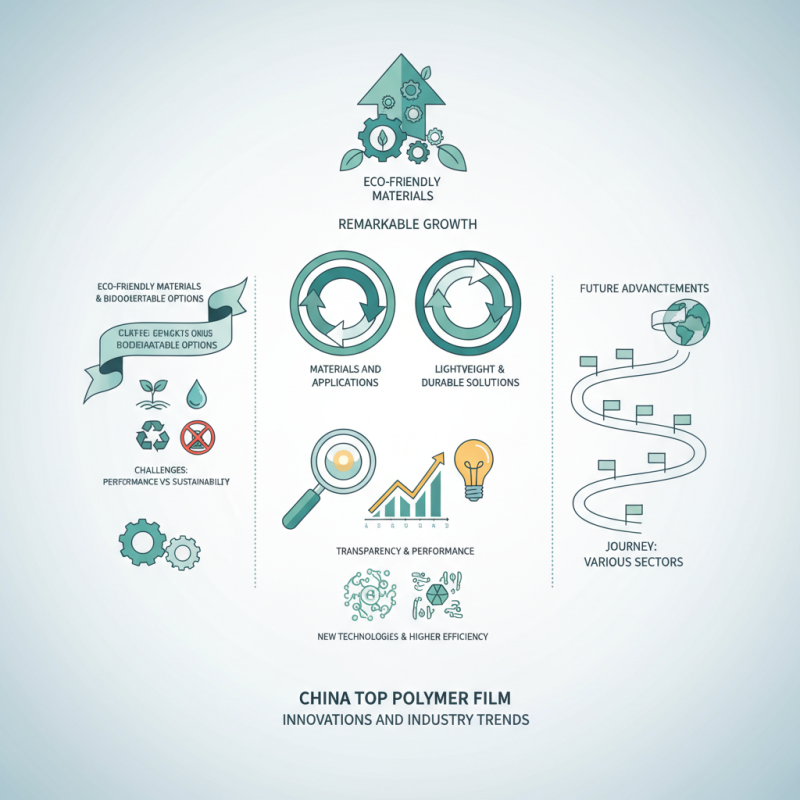
The polymer film industry in China is experiencing remarkable growth. Innovations in materials and applications are reshaping various sectors. As manufacturers strive for lightweight and durable solutions, polymer films have gained attention.
The rise of eco-friendly materials is noteworthy. Many companies are now focusing on biodegradable options. This shift reflects a growing awareness of environmental issues. However, challenges remain in balancing performance and sustainability. Some products struggle to meet industrial standards.
Experts predict that transparency and performance will drive future advancements. Companies are investing in research and development. New technologies are emerging that promise higher efficiency. It is essential to continue exploring and refining these innovations. The journey is complex, filled with both triumphs and setbacks.
Key Innovations in Polymer Film Technology in China
Recent developments in polymer film technology in China have shown remarkable advancements. Innovations focus on sustainability and functionality. Manufacturers are exploring biodegradable materials that reduce environmental impact. These materials offer an effective alternative to traditional plastics.
Another trend is the enhancement of barrier properties in polymer films. Improved barrier films protect products from moisture and oxygen. This development extends product shelf life, which benefits various industries. The integration of smart technology is also notable. Films with embedded sensors can monitor temperature and humidity, providing real-time data.
Despite these advances, challenges remain. Sourcing eco-friendly materials can be complex. The market still relies heavily on conventional polymers. Balancing innovation and cost-effectiveness is crucial for widespread adoption. Companies must address regulatory hurdles related to new materials. This ongoing evolution in polymer film technology illustrates both progress and areas needing further exploration.
Trends Shaping the Polymer Film Industry Landscape
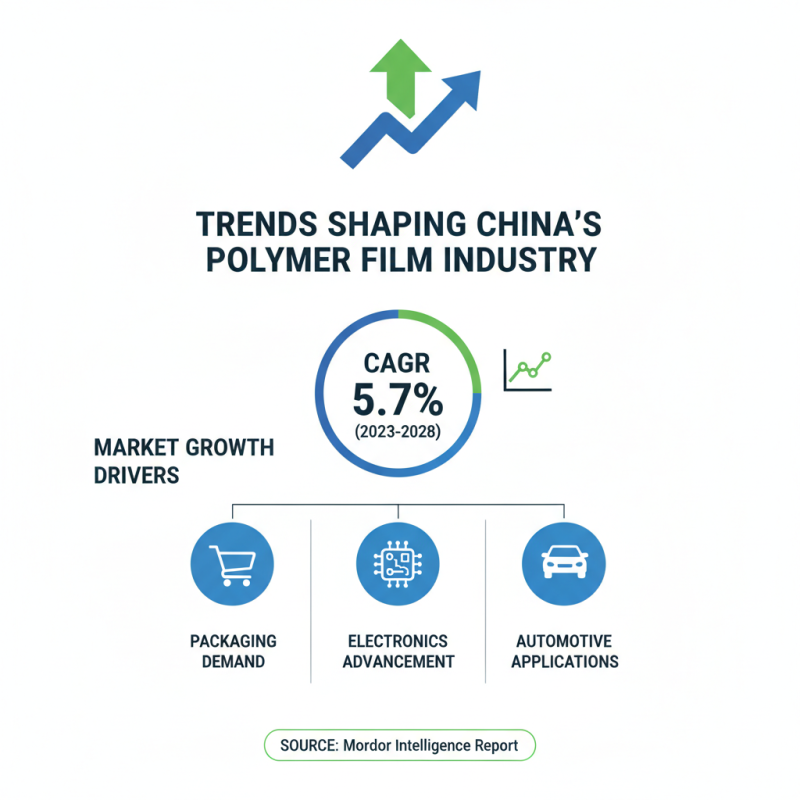
The polymer film industry in China is witnessing transformative trends that redefine its landscape. According to a recent report by Mordor Intelligence, the market for polymer films is expected to grow at a CAGR of 5.7% over the next few years. This growth is largely driven by increasing demands in packaging, electronics, and automotive applications.
Sustainable solutions play a pivotal role in shaping this industry. Consumers are more conscious of environmental impact, prompting a shift towards biodegradable materials. Reports indicate that biodegradable polymer film market segments are projected to increase significantly within the next decade. However, there remain challenges regarding production costs and material performance that require ongoing improvements.
Technological advancements are also key to innovation. Research highlights the emergence of nanotechnology in enhancing film properties. Such developments allow for stronger, lighter films with improved barrier capabilities. Yet, the integration of these technologies demands careful consideration of safety and regulatory standards. Balancing innovation with industry regulations is critical for sustainable growth in this dynamic sector.
Sustainable Practices in China's Polymer Film Production
Sustainable practices are transforming China's polymer film production landscape. A recent report indicated that the Chinese polymer film industry is shifting towards eco-friendly materials. In 2022, approximately 35% of new products launched utilized biodegradable polymers. This shift reflects both regulatory pressures and market demand for sustainable solutions.
Producers are increasingly adopting recycling technologies. According to industry standards, over 50% of polymer film waste is now being repurposed. Companies are investing in advanced sorting and recycling facilities. These initiatives have improved efficiency but still have challenges. For instance, contamination in collected polymer waste can hinder recycling processes.
Moreover, many manufacturers are exploring renewable resources. A study found that using plant-based materials can reduce carbon footprints by up to 30%. However, the scalability of such practices remains a concern. Many producers need more infrastructure to support widespread adoption of biopolymers. Such gaps are evident in areas with less access to sustainable technology.
China Top Polymer Film Innovations and Trends in the Industry - Sustainable Practices in China's Polymer Film Production
| Innovation Trend |
Description |
Sustainability Impact |
Market Adoption Rate (%) |
| Biodegradable Films |
Development of films that decompose naturally over time. |
Reduces environmental pollution and landfill waste. |
35 |
| Recycled Content Films |
Films produced using recycled plastics, minimizing raw material usage. |
Lowers carbon footprint and supports circular economy. |
50 |
| Lightweight Films |
Innovations to reduce the thickness and weight of polymer films. |
Decreases material usage and transportation emissions. |
60 |
| Bio-based Polymers |
Utilization of renewable resources for polymer film production. |
Contributes to reduced reliance on fossil fuels. |
40 |
| Smart Packaging Films |
Integration of technology for tracking and monitoring. |
Enhances product safety and reduces spoilage. |
25 |
Market Demand and Applications of Polymer Films in China
The polymer film market in China is witnessing significant growth. According to recent industry reports, the market size is expected to reach approximately USD 5 billion by 2026, driven by increasing applications in packaging, electronics, and healthcare sectors. In particular, the demand for flexible packaging films is surging due to a rise in consumer goods and e-commerce. Reports indicate a year-on-year growth rate of around 7% for this segment.
In the electronics industry, polymer films are crucial for thin-film transistors and displays. Innovations in transparency and durability create new opportunities. However, challenges persist in achieving sustainable production methods. Recycling of polymer films continues to lag behind demand, prompting manufacturers to rethink their strategies.
Tip: Focus on sourcing high-quality biopolymer alternatives. They offer a promising solution for sustainability without sacrificing performance. This shift could respond to consumers’ increasing environmental awareness. Though progress is visible, stakeholders must address the gap between production and recycling capabilities.
Market Demand and Applications of Polymer Films in China
Challenges and Opportunities in China's Polymer Film Sector
China's polymer film sector faces several challenges that could hinder its growth. One significant issue is the rising costs of raw materials. In 2022, prices for key inputs increased by over 15%, squeezing profit margins for manufacturers. Many companies have struggled to pass these costs onto consumers. Additionally, strict environmental regulations require investment in cleaner technologies, which can be a heavy financial burden.
Despite these hurdles, opportunities abound in the market. The demand for environmentally friendly films is rising, driven by consumer preferences. The global sustainable packaging market is projected to reach $500 billion by 2027, with China playing a critical role. Companies that innovate and pivot towards biodegradable materials can capitalize on this trend. Emerging technologies, like nanotechnology in polymer films, are also gaining traction, enhancing performance characteristics while addressing sustainability concerns.
Moreover, China's robust manufacturing ecosystem provides a strong foundation for growth. Efficient supply chains and advanced production techniques can drive down costs. However, players must invest in R&D and adapt to fast-changing consumer demands. The dynamic landscape requires consistent reflection on practices, aiming for continual improvement to remain competitive in the global market.

 1Durch die gruppenweite Einführung und Harmonisierung unseres integrierten Managementsystems (IMS) werden alle bestehenden Unternehmens-, Qualitäts-, Umwelt- und Energiepolitiken durch diese Unternehmenspolitik ersetzt. Der Slogan „Textil hat Zukunft – auch in De