China Best Polymer Sheet Suppliers for Global Buyers?
In recent years, the demand for polymer sheets has surged globally. Experts predict that the polymer sheet market will grow at a CAGR of 4.5% from 2021 to 2026. This growth can be attributed to the increasing applications in various sectors, including automotive and packaging. According to Dr. Emily Carter, a leading authority in polymer technology, "The versatility of polymer sheets is unmatched in modern manufacturing."
China has emerged as a dominant player in this market, supplying high-quality polymer sheets to buyers worldwide. The competitive landscape presents both opportunities and challenges. While some suppliers boast innovative materials, others struggle to maintain quality standards. Potential buyers must navigate these complexities carefully.
Purchasing polymer sheets from reputable suppliers is crucial. Product specifications, quality assurance, and timely delivery shape the buyer's experience. Additionally, considering sustainability practices in sourcing is becoming increasingly important. As the industry evolves, ensuring reliable partnerships is both a necessity and a challenge.
China’s Leading Polymer Sheet Suppliers and Their Global Impact
China is home to some of the world's most significant polymer sheet suppliers. These manufacturers play a crucial role in the global market. According to a recent industry report, China's polymer sheet exports reached a staggering $3.5 billion in 2022. This figure highlights the country’s impact on international trade.
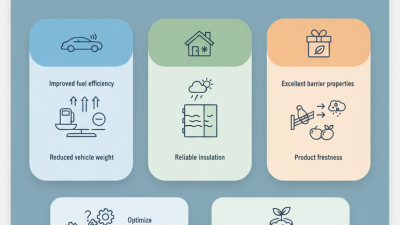
Leading suppliers often prioritize innovation. They focus on producing advanced materials that meet diverse industry requirements. For instance, the automotive and construction sectors are increasingly relying on lightweight polymer sheets. These materials provide durability while reducing weight, ultimately enhancing energy efficiency. Global demand for such products is projected to grow by 5% annually.
However, challenges persist in maintaining quality and sustainability. Some suppliers struggle with consistent material performance. Environmental regulations also push manufacturers to adapt. Effective waste management practices are crucial for ensuring compliance. As these suppliers navigate these challenges, their adaptability will determine their long-term success in the global marketplace.
Global Market Share of Polymer Sheet Suppliers
This bar chart illustrates the market share distribution among leading polymer sheet suppliers. As shown, Supplier C holds the largest share at 30%, indicating its significant impact on the global market.
Key Types of Polymer Sheets: Applications and Market Trends
Polymer sheets are increasingly used across various industries. These materials serve multiple purposes, from
packaging to construction. Common types include acrylic, polycarbonate, and
PVC sheets. Each type has unique properties that make it suitable for specific applications. For instance,
acrylic sheets offer excellent clarity and weather resistance. This makes them ideal for outdoor signage.
Polycarbonate sheets are highly impact-resistant, which is crucial for safety applications.
In recent years, the demand for polymer sheets has surged. Industries are focusing on sustainable options. This shift impacts material selection significantly.
Moreover, advancements in manufacturing techniques enhance the quality of polymer sheets. As a result, many suppliers are exploring innovative solutions to meet market needs.
However, finding reliable suppliers remains a challenge. Buyers must assess the quality and consistency of materials.
It is essential to consider certifications and testing standards when selecting a supplier.
Evaluation Criteria for Selecting the Best Polymer Sheet Suppliers
When selecting the best polymer sheet suppliers in China, it’s crucial to establish clear evaluation criteria. Start with quality assurance processes. Suppliers should have rigorous testing protocols to ensure that their products meet industry standards. Look for certifications that guarantee their materials are reliable and durable.
Next, assess the supplier's experience in the polymer industry. Longevity often translates to expertise. Experienced suppliers are more likely to understand market needs and challenges. Their histories should reveal a commitment to innovation.
Additionally, consider customer service. A supplier's ability to communicate effectively can make a significant difference. Timely responses to queries show professionalism and reliability. Transparency about pricing and production timelines is also essential for building trust. Keep in mind that not every supplier excels in all areas. Reflect on the trade-offs that may impact your choice. Evaluation should encompass both qualitative and quantitative factors.
Industry Insights: Market Size and Growth Rate of Polymer Sheets
The polymer sheet market has shown impressive growth recently. Reports indicate that the market size was estimated at around USD 5 billion in 2022. It's expected to reach USD 8 billion by 2028. This translates to a compound annual growth rate (CAGR) of approximately 7%. Such growth reflects the rising demand in various end-use industries.
A significant driver of market growth is the construction sector. Polymer sheets are favored for their lightweight nature and durability. Use in roofing, flooring, and wall coverings has surged. In addition, the automotive industry is increasingly incorporating polymer sheets into design. This shift is largely due to the need for lightweight materials that enhance fuel efficiency.
Despite this upward trend, challenges remain. Quality standards can vary, which complicates sourcing reliable suppliers. Additionally, fluctuating raw material prices can impact overall production costs. Buyers need to remain vigilant and thorough in their selections. The challenge lies in balancing quality with cost-effectiveness while navigating a complex supply chain.
Sustainability Practices Among Top Polymer Sheet Manufacturers in China
In recent years, sustainability has become a critical focus for
polymer sheet manufacturers in China. A report from the
China Plastics Processing Industry Association highlights that over
70% of top manufacturers are adopting eco-friendly practices.
They are increasingly incorporating recycled materials into their production processes. This shift not only benefits
the environment but also meets rising global demands for sustainable products.
Many manufacturers are also investing in clean energy solutions. For instance, using solar and wind power can significantly reduce
carbon emissions. Data from the International Renewable Energy Agency shows that businesses can
cut energy costs by 15-20% when choosing renewable sources.
Yet, challenges remain. Some companies still struggle with waste management and reducing plastic consumption in their operations.
Moreover, transparency in sourcing is vital. Regulators require firms to disclose their sustainability metrics. Yet, not all companies
comply fully, creating gaps in accountability. The push for greater sustainability must not overlook ethical production and sourcing practices.
Continuous improvements and innovations are essential for the industry to align with global sustainability goals.

 1Durch die gruppenweite Einführung und Harmonisierung unseres integrierten Managementsystems (IMS) werden alle bestehenden Unternehmens-, Qualitäts-, Umwelt- und Energiepolitiken durch diese Unternehmenspolitik ersetzt. Der Slogan „Textil hat Zukunft – auch in De