10 Essential Tips for Choosing Pet Polyester Film
In the evolving landscape of packaging and materials, selecting the right Pet Polyester Film is crucial. Industry expert Dr. Emma Thompson has noted, "Choosing the right type of Pet Polyester Film can significantly impact your product's performance." This underscores the importance of informed decisions in this sector.
When navigating the complexities of Pet Polyester Film, understanding its various applications is essential. This advanced material offers strength, durability, and clarity. However, not every option is suitable for every project. For example, some films perform better under specific environmental conditions. It's vital to scrutinize these differences carefully.
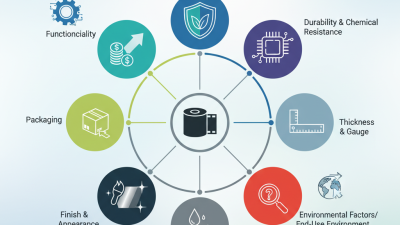
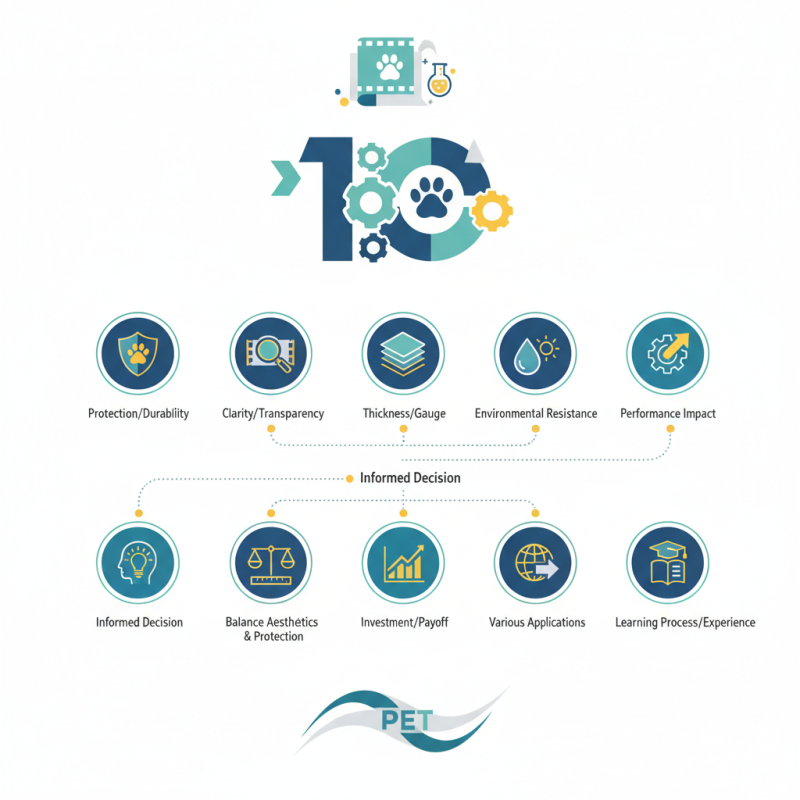
Investing time in selecting your Pet Polyester Film pays off. Consider factors like thickness, clarity, and resistance properties. For instance, a thicker film may provide better protection. However, it might impact the aesthetics of your packaging. Finding that balance can be challenging but rewarding. Embrace the learning process and refine your choices as you gain experience in this dynamic field.
Understanding the Basics of Pet Polyester Film
When selecting PET polyester film, understanding its fundamentals is crucial. PET, or polyethylene terephthalate, is a durable and versatile plastic. It is widely used for packaging and industrial applications. The film is known for its excellent clarity and tensile strength. It can withstand various temperatures and is resistant to moisture and chemicals. This makes it an ideal choice for many projects.
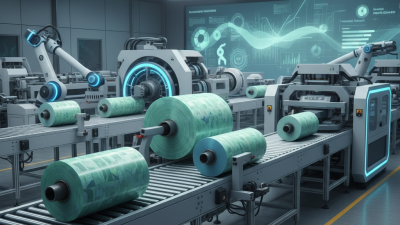
The production process of PET film involves careful attention to detail. It is essential to consider the thickness and transparency needed for your specific use. Some applications require film with high transparency, while others may prioritize durability or UV resistance. It’s important to match your needs with the film’s properties. This can sometimes be challenging, as not all films are created equal.
Moreover, keep in mind that not all suppliers offer the same quality. It is vital to research manufacturers and seek out reliable sources. Look for certifications and quality control processes. A reputable supplier will provide clear information about their product specifications. This helps ensure that you receive a film that meets your expectations and project requirements. Balancing cost and quality is often a learning experience. Experimentation with different types may lead you to discover what works best for your needs.
Key Properties to Look for in Pet Polyester Film
When selecting PET polyester film, understanding key properties is crucial.
Transparency is one of the most important features. A clear film enhances visibility, ensuring that printed graphics or labels stand out.
Evaluate the clarity carefully. Some films may appear clear but could have a tint affecting appearance.
Another critical property is durability. PET films are known for their strength and resistance to tearing.
Choose a film that can withstand daily wear. However, not all films are created equal; some may degrade faster than others under certain conditions.
Check the manufacturer's specifications.
Consider the thermal stability of the film as well. PET films can handle a range of temperatures, making them suitable for various applications.
However, if the film cannot maintain performance at high heat, it might warp or lose integrity. Finally,
thickness plays a significant role.
Thicker films tend to be more robust, but they might be less flexible. Finding a balance based on your specific needs is essential.
Assess your requirements carefully for optimal results.
Evaluating Cost vs. Quality in Pet Polyester Film Options
When selecting pet polyester film, it's vital to balance cost and quality. One must evaluate various options carefully. A cheaper film might seem appealing, but it often lacks durability. Quality impacts longevity and performance, which can lead to additional costs over time.
Consider the film's thickness and tensile strength. Thicker films generally provide better protection. However, they come at a higher cost. This trade-off can be tricky. You may feel tempted to go for the cheaper option, but reliability may suffer.
Another point to reflect on is production methods. Films manufactured with advanced techniques usually offer superior quality. Yet, this can lead to inflated prices. Always ask about the manufacturing process. Knowing the film's origin can guide you in making a more informed decision. It is essential to seek a balance between upfront investment and long-term savings.
Cost vs. Quality Analysis of PET Polyester Film
Common Applications and Uses of Pet Polyester Film
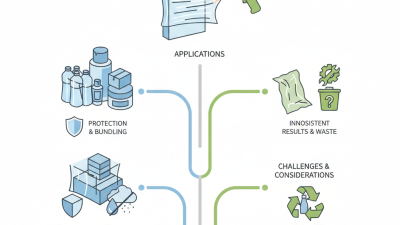
Pet polyester film is widely used across various industries due to its versatile properties. In packaging, it provides excellent strength and clarity. It keeps products safe from moisture and damage. Many food manufacturers prefer pet film for its ability to extend shelf life. Its durable nature makes it suitable for both flexible and rigid packaging.
Another common application is in electronics. Pet polyester film is often used as an insulating material. Its thermal stability and high dielectric strength make it ideal for circuit boards. Additionally, it is essential in the production of sensors and displays. The film’s reliability in these applications makes it a preferred choice.
Though it offers many advantages, there are considerations to keep in mind. For instance, its susceptibility to scratches can be a drawback in certain applications. It is also important to ensure proper thickness and treatment for specific needs. Users should evaluate their requirements thoroughly. Balancing cost and quality is crucial.
Sustainability and Environmental Considerations in Pet Polyester Film
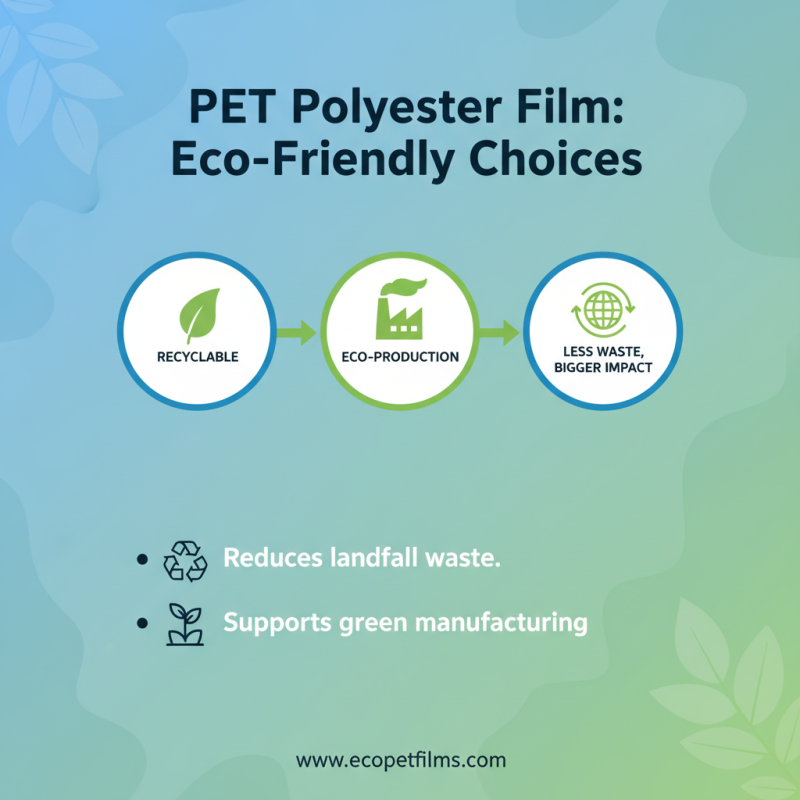
Choosing a pet polyester film is not just about functionality. Sustainability plays a crucial role. Many films are made from recyclable materials, which helps reduce waste. When selecting a film, consider its production process. Look for manufacturers who prioritize eco-friendly methods. This small step can lead to larger environmental benefits.
Environmental considerations encompass energy consumption, carbon footprint, and material sourcing. Films that require less energy to produce can significantly lower overall emissions. Opting for biodegradable options can also lessen environmental impact. However, not all films labeled as "environmentally friendly" deliver on this promise. Researching and verifying claims is essential.
Moreover, think about the end-of-life scenario. Will the film become waste in a landfill? Choosing materials that can be reused or recycled aids in closing the loop. The market needs more transparency regarding sustainability. Engaging with brands and demanding more clarity promotes industry improvements. Consumers can drive change through their choices. Your selection today can influence sustainability practices tomorrow.

 1Durch die gruppenweite Einführung und Harmonisierung unseres integrierten Managementsystems (IMS) werden alle bestehenden Unternehmens-, Qualitäts-, Umwelt- und Energiepolitiken durch diese Unternehmenspolitik ersetzt. Der Slogan „Textil hat Zukunft – auch in De