Top Insights on Pet Polyester Film Applications and Benefits?
Pet Polyester Film has become increasingly important in various industries. Its flexibility and durability make it a perfect choice for many applications. Different sectors utilize this material for packaging, printing, and electronic devices.
The film's advantages are significant. It offers excellent clarity and chemical resistance. These properties help in preserving quality and extending the shelf life of products. However, the sustainability of PET films remains a topic for reflection. As industries grow, the need for eco-friendly solutions is crucial.
With innovation on the rise, new applications emerge for Pet Polyester Film. From food packaging to insulating layers in electronics, its versatility is remarkable. Exploring these insights can reveal both the promise and challenges of this material in our future.
Overview of Pet Polyester Film: Definition and Composition
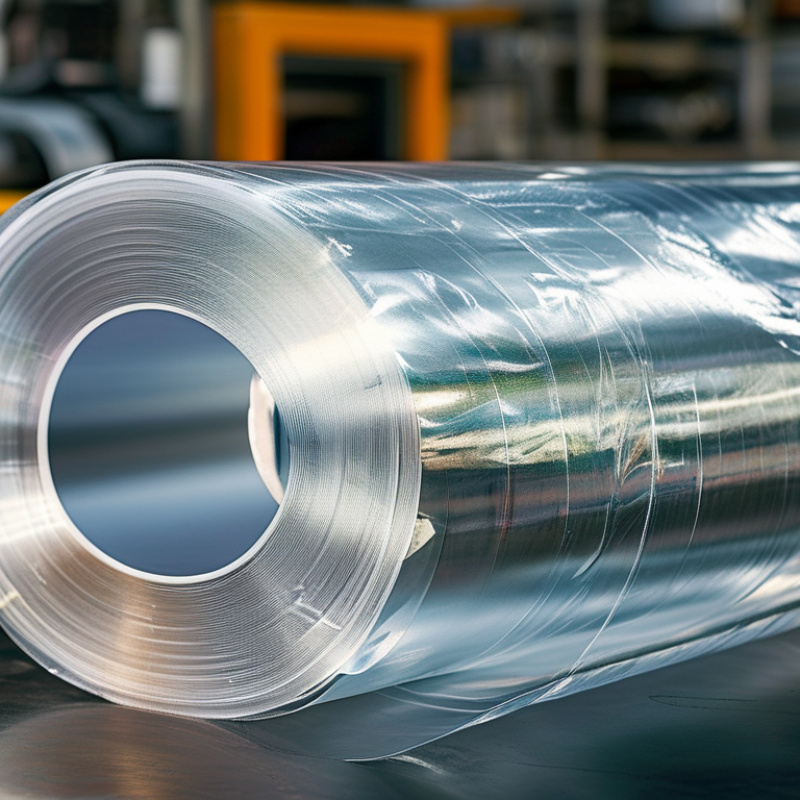
Pet polyester film, often referred to as PET film, is a versatile material used in various applications. This film is primarily made from polyethylene terephthalate, a type of thermoplastic polymer. The film is known for its exceptional strength, durability, and chemical resistance. Industry reports indicate that the global demand for PET film is poised to reach approximately 5.1 million metric tons by 2026, reflecting its growing importance in packaging and electronics.
The composition of PET film includes ester functional groups, which enhance its thermal stability. Its lightweight nature makes it suitable for flexible packaging, adhesives, and electrical insulation. Reports suggest that nearly 60% of PET film is used in packaging, highlighting its crucial role in protecting products during transport and storage. Furthermore, its recyclability aligns with growing sustainability efforts in various industries.
However, challenges remain in the manufacturing of PET films. The production process can lead to some variations in film quality, which affects performance. Addressing these inconsistencies is vital for sustaining industry growth. As the market evolves, innovations in film technology and processing methods will be essential to maximize the benefits of PET polyester films.
Top Insights on Pet Polyester Film Applications and Benefits
| Application |
Benefits |
Composition |
Typical Thickness (µm) |
| Packaging films |
High clarity, moisture resistance |
PET copolymer with additives |
12-500 |
| Electrical insulation |
Excellent dielectric strength |
PET with specific fillers |
50-300 |
| Industrial laminates |
Durability, chemical resistance |
High-performance PET |
100-800 |
| Solar panel backsheet |
UV stability, longevity |
Modified PET |
150-500 |
| Graphic arts |
High resolution printing, flexibility |
PET film with coated surface |
75-250 |
Key Applications of Pet Polyester Film in Various Industries
PET polyester film is becoming increasingly important in multiple industries. Its versatility allows it to be used in
packaging, electronics, and insulation. According to a market report, the global demand for PET films is forecasted to reach
5.5 million tons by 2026. This growth indicates a strong reliance on its unique properties like clarity, strength, and chemical resistance.
In the packaging sector, PET films' lightweight nature lowers shipping costs. Reports suggest that using PET for food
packaging can extend the shelf life by up to 50%. This is crucial for food safety and reducing waste. In electronics, PET films serve as
substrates for touch screens and flexible circuits. Their excellent electrical insulation helps improve device performance and longevity.
While PET films offer many benefits, challenges remain. Recycling is a vital concern. Even though PET is recyclable, less than
30% of it is currently being recycled. This creates potential environmental dilemmas. Innovating recycling technologies will be essential
to fully leverage PET's advantages while addressing sustainability issues. Such improvements could drive new growth, but the industry must collaborate on solutions to these pressing challenges.
Significant Benefits of Using Pet Polyester Film
Pet polyester film has emerged as a versatile material with distinct applications across various industries. Its resistance to moisture and chemicals makes it an ideal choice for packaging. According to a report by Market Research Future, the global packaging film market is expected to grow by 5.1% from 2021 to 2028. This growth reflects the rising demand for durable and lightweight materials.
The benefits of using Pet polyester film extend beyond packaging. It is widely recognized for its optical clarity and durability. In the electronics industry, Pet films are utilized in screens and components, where high performance is critical. Furthermore, they are also an eco-friendly option compared to traditional plastic films, offering a recycling rate of up to 80%. This property addresses environmental concerns but also poses challenges. Despite its recyclability, many consumers are unaware of proper recycling methods, leading to potential waste.
While Pet polyester film presents significant advantages, there are areas for improvement. Suppliers often face challenges in fulfilling consistent quality standards. Variability in thickness and adhesion can affect overall performance. Companies need to ensure rigorous testing to meet customer expectations. Continual innovation in production processes may also help minimize these issues, paving the way for broader applications in the future.
Top Insights on Pet Polyester Film Applications and Benefits
Comparative Analysis: Pet Polyester Film vs. Other Materials
Pet polyester film offers unique advantages compared to other materials like PVC and polypropylene. This film is lightweight and highly versatile, making it suitable for various applications. For instance, its excellent moisture resistance is crucial in food packaging. Unlike PVC, which can release harmful substances, pet polyester film is generally safer for packaging purposes.
When comparing durability, pet polyester film shines. It has a higher tensile strength than many alternatives. This strength allows for better performance in demanding conditions. However, it's important to note that while pet polyester film is reprocessable, its recycling systems are still developing. Some users may find this challenging.
Cost is another factor to consider. Pet polyester can be more expensive than basic polypropylene. This might discourage some manufacturers. Yet, investing in pet polyester often pays off in terms of product longevity and safety. Some may overlook these benefits, emphasizing only initial costs. A decision in material choice should reflect a balance between cost, performance, and environmental impact.
Future Trends in Pet Polyester Film Development and Usage
The future of PET polyester film is promising. As industries focus on sustainability, there's a growing demand for eco-friendly materials. Recyclable PET films are gaining traction. They offer a lower environmental impact compared to traditional films. This shift could redefine packaging and insulation sectors.
Production methods are evolving too. Innovative techniques are emerging to enhance durability and flexibility. However, some methods still need optimization. The balance between cost and performance remains a challenge for manufacturers. It's crucial to address these issues to keep up with market demands.
Tips: Consider conducting lifecycle assessments. This helps gauge the environmental impact of PET films. Also, stay updated on regulatory changes. New standards can affect material usage. Adapting to these trends ensures that businesses remain competitive. Embracing change is essential for future growth.

 1Durch die gruppenweite Einführung und Harmonisierung unseres integrierten Managementsystems (IMS) werden alle bestehenden Unternehmens-, Qualitäts-, Umwelt- und Energiepolitiken durch diese Unternehmenspolitik ersetzt. Der Slogan „Textil hat Zukunft – auch in De