What is Laminating Film and How is it Used in Everyday Applications?
Laminating Film plays a pivotal role in various industries, enhancing the durability and aesthetics of products. In 2022, the global laminating film market was valued at over $3 billion, showing a steady growth rate of around 4% per year. This growth reflects the increasing demand for protective solutions in sectors such as packaging, printing, and office supplies.
The usage of Laminating Film is widespread, from safeguarding documents in offices to preserving menu cards in restaurants. In the education sector, teachers often use this film to protect lesson plans and visual aids. Such applications demonstrate its versatility and importance in daily operations. However, despite the growing reliance on Laminating Film, many users remain unaware of optimal usage practices. This gap in knowledge can lead to inefficiencies, such as improper lamination temperatures affecting adhesion.
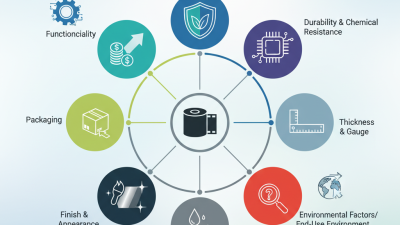
Quality and reliability are critical when selecting Laminating Film. Choosing the right thickness and finish can make a difference in performance. As the market evolves, improvements in technology may offer better options. Consumers must stay informed to maximize the benefits of Laminating Film while minimizing potential waste.

Definition of Laminating Film: Composition and Properties
Laminating film is a protective layer used to safeguard documents and materials. It typically consists of either polyethylene or polyester. These materials are known for their durability and resistance to moisture. The composition allows lamination to preserve colors and prevent fading. Reports indicate that the global laminating film market was valued at approximately $3.5 billion in 2022, with a projected growth due to increased demand in various sectors.
Laminating films offer several properties that enhance their usability. They are available in different thicknesses, enabling choices based on the level of protection needed. For example, thicker films can resist scratches and tears better than thinner ones. Their glossy finish showcases images beautifully, while matte finishes provide elegance. Interestingly, not all films are compatible with every type of equipment, which is a consideration for users.
Tips: Always check compatibility with your laminating machine. Test a small area before covering large documents. Consider the environment where the items will be stored. While laminating is most effective at preserving materials, mistakes can happen. Occasionally, bubbles or wrinkles appear during the process, reminding users to exercise patience and precision.
Laminating Film Properties and Applications
Laminating film is a protective layer that adds durability and enhances the appearance of various printed materials. The chart above illustrates key properties of laminating film, including thickness, adhesion strength, clarity, and tear resistance, demonstrating its effectiveness in everyday applications.
Types of Laminating Film: Glossy, Matte, and Textured Options
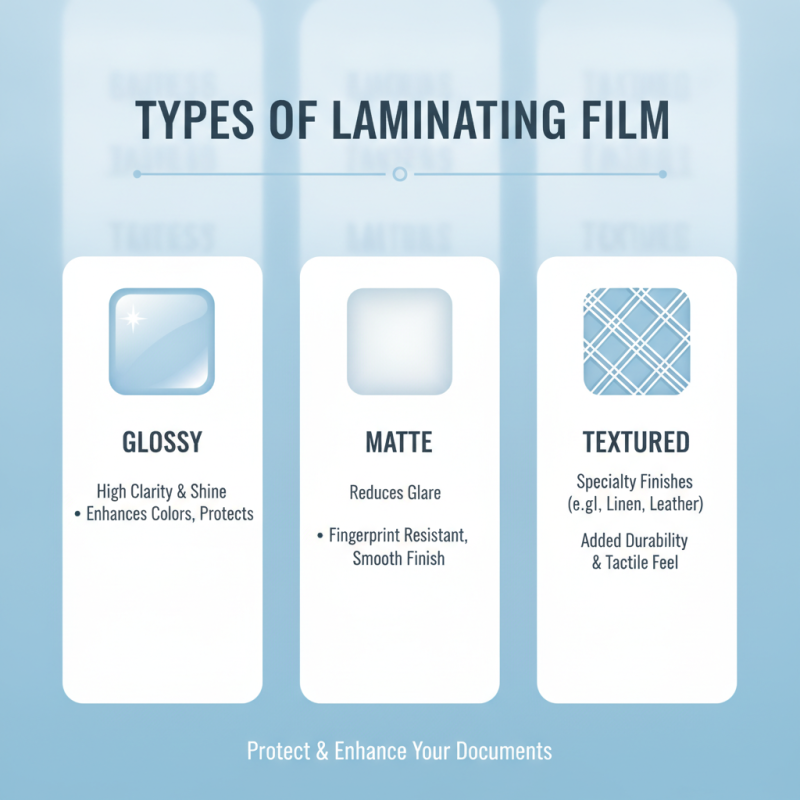
Laminating film is essential for protecting documents and enhancing their appearance. It comes in various types, each serving different purposes. Among these, glossy, matte, and textured options stand out for their unique features.
Glossy laminating film has a shiny finish. It enhances colors and makes images pop. This is ideal for presentations or photos. However, it can be prone to fingerprints and glare, which may distract from the content. Reports indicate that glossy finishes are popular in marketing materials, with a 35% preference noted in surveys.
In contrast, matte laminating film provides a non-reflective surface. This option is ideal for materials meant to be written on, such as menus or educational handouts. It helps reduce glare, improving readability. However, it can slightly mute colors. Textured laminating films offer a more tactile experience. They might be used in artistic applications but can sometimes obscure fine details in printed materials.
Tips: Always match the film type to the project's needs. For photos, choose glossy for vibrancy. Opt for matte when readability matters. Consider testing multiple films to see what works best.
Common Uses of Laminating Film in Home and Office Settings
Laminating film is essential in both home and office settings. Its primary purpose is to protect documents from damage. A report by the Freedonia Group reveals that the demand for laminating films is projected to grow by 3.5% annually through 2025. This increase comes as more individuals and businesses seek to preserve important papers.
In homes, laminating film is used for crafting, creating educational materials, and safeguarding cherished photographs. Using laminating film ensures that these items remain intact over time, resisting wear and tear. However, many users overlook the importance of choosing the right thickness. A common mistake is opting for films that are too thin, which can lead to peeling or curling at the edges.
In offices, laminating films are employed for enhancing presentations and making signage durable. Employees often laminate business cards or important documents for a professional finish. Yet, it’s crucial to evaluate the environmental impact. Many users may not consider that not all laminating films are recyclable, which raises questions about sustainability practices.
The Lamination Process: Techniques and Tools for Application
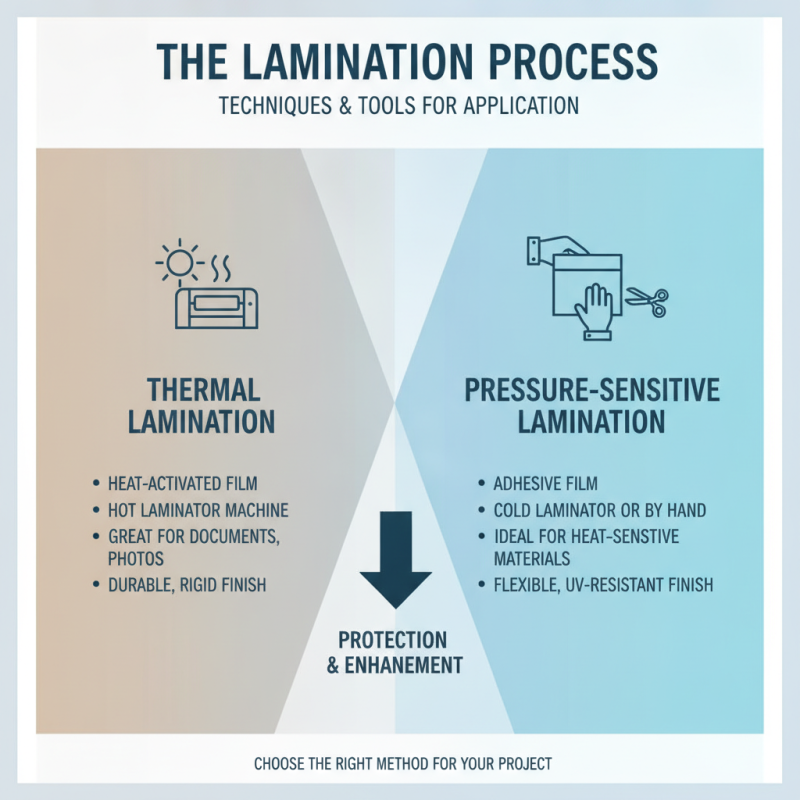
Lamination is a popular method used to protect and enhance the appearance of documents, photos, and various materials. The lamination process involves covering an item with a thin layer of plastic film. This film can be either thermal or pressure-sensitive. Each type requires different tools and techniques, making it crucial to choose the right one for your project.
For thermal lamination, a laminating machine applies heat to bond the film to the item. It's simple. Place the item in a pouch, feed it through the machine, and wait for the magic. Alternatively, pressure-sensitive lamination does not require heat. Instead, it uses adhesive layers. This method is great for quick applications but may not offer the same durability.
Different projects may also require specific tools. A paper cutter can ensure clean edges on laminated items. A corner rounder can soften sharp corners, enhancing safety and aesthetics. Remember that not all laminated items are created equal. While some films are thick and durable, others are prone to scratching. Testing a sample before starting a large batch may save time and materials. It encourages a thoughtful approach to the lamination process.
Benefits of Using Laminating Film: Protection and Durability
Laminating film is widely used in various applications due to its many benefits. This clear plastic film protects documents, photos, and cards from wear and tear. It offers durability, making your materials last longer. Laminating helps prevent damage from spills, dirt, and UV light. As a result, important items look new for a more extended period.
When you laminate a photo or a poster, the colors pop. The glossy finish can elevate the visual appeal of any project. However, it’s essential to note that not all lamination is created equal. Sometimes, the heat from the lamination process can warp thinner papers. Choosing the right thickness of laminating film is crucial.
In educational settings, laminating aids in creating visual learning tools. Teachers use laminated sheets for flashcards and charts. They withstand repeated handling, ensuring longevity. Yet, laminating does require careful consideration of materials. Overuse can lead to waste. While laminating adds a layer of protection, it's essential to find a balance in its application.
What is Laminating Film and How is it Used in Everyday Applications?
| Application |
Type of Laminating Film |
Benefits |
Common Uses |
| Educational Materials |
Cold Laminating Film |
Waterproof, tear-resistant |
Flashcards, posters |
| Business Documents |
Hot Laminating Film |
Enhanced durability, professional appearance |
Reports, presentations |
| Menus and Signage |
Glossy Laminating Film |
Vibrant colors, easy to clean |
Restaurant menus, promotional signs |
| Family Photos |
Matte Laminating Film |
Anti-glare, preserving memories |
Photo displays, scrapbooks |
| ID Cards |
Pouch Laminating Film |
Secure, long-lasting |
Employee badges, student IDs |

 1Durch die gruppenweite Einführung und Harmonisierung unseres integrierten Managementsystems (IMS) werden alle bestehenden Unternehmens-, Qualitäts-, Umwelt- und Energiepolitiken durch diese Unternehmenspolitik ersetzt. Der Slogan „Textil hat Zukunft – auch in De