What is Petg Sheet and Why is it Popular for Buyers?
Petg Sheet has gained prominence in various industries due to its unique properties. It is a durable thermoplastic material known for its clarity and strength. Many buyers are drawn to its versatility, which makes it suitable for diverse applications.
In the world of packaging, Petg Sheet offers an environmentally friendly alternative. Its recyclability stands out amongst competitors, appealing to eco-conscious consumers. Additionally, it resists UV light and chemicals, extending the lifespan of products.
However, concerns persist about proper disposal methods. While Petg Sheet is recyclable, not all waste management systems are equipped to handle it. This creates a reflection point for both manufacturers and users. Understanding these nuances is essential for responsible usage.
What is PETG Sheet? Definition and Chemical Composition
PETG sheets are increasingly popular in various industries due to their unique properties and versatility. PETG, or Glycol-Modified Polyethylene Terephthalate, offers a balance of toughness and clarity. It typically consists of repeating units of ethylene terephthalate, modified with glycol to enhance thermal stability and reduce brittleness.
According to a recent industry report, the global demand for PETG is projected to grow by approximately 5% annually. This growth reflects its widespread applications in packaging, signage, and more.
In terms of chemical composition, PETG belongs to the polyester family. It combines excellent impact resistance with transparency, making it suitable for products requiring visual appeal and durability. The material is non-toxic and can be easily thermoformed, allowing it to take on various shapes. However, PETG is not perfectly weather-resistant and can degrade under prolonged exposure to UV light. Manufacturers and users must consider these limitations when selecting materials for outdoor applications.
Another aspect worth noting is PETG's recyclability. While it can be recycled, the infrastructure for PETG recycling is still developing. This limitation raises questions about sustainability in its production and end-of-life processes. As more consumers prioritize eco-friendly options, addressing these challenges will be pivotal for the future of PETG in the marketplace.
Key Properties of PETG Sheet that Drive Its Popularity
PETG sheets are a popular choice for various applications due to their remarkable properties. One key feature is their excellent impact resistance. Unlike other plastic sheets, PETG can withstand significant stress without cracking. This makes it ideal for safety shields, protective barriers, and display cases.
Another crucial property is clarity. PETG sheets are highly transparent, allowing for excellent light transmission. This quality is especially useful in applications requiring visibility, like signage and furniture. Furthermore, PETG sheets possess chemical resistance. They can endure exposure to many cleaning agents and chemicals without losing structural integrity.
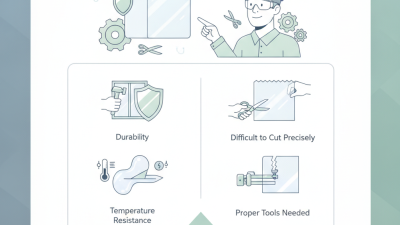
Tips: When using PETG sheets, ensure they are cut with precision. Use the right tools to avoid rough edges. Additionally, consider thickness based on your project. Thicker sheets typically provide better durability but may be harder to fabricate.
Transitioning to temperature resistance, PETG can withstand moderate temperatures without deforming. However, it's essential to remember that prolonged exposure to high heat can affect its properties. Always test the material in conditions similar to your project. This will help in making informed decisions. Consider the environment your PETG sheets will face.
Market Trends: Growth Rate of PETG Sheet Demand in Various Industries
The demand for PETG sheets is rapidly growing across various industries. In recent years, the automotive and packaging sectors have seen a notable uptick in PETG material usage. This plastic is favored due to its durability and impact resistance. Moreover, it offers excellent clarity, making it valuable for product displays and protective barriers.
Transportation businesses are adopting PETG for its lightweight nature. This property contributes to fuel efficiency and cost savings. In addition, the medical industry utilizes PETG sheets for various applications, from sterilization trays to clear face shields. However, there are challenges in recycling PETG. The lack of established recycling programs may raise concerns among environmentally-conscious consumers.
The increasing popularity of PETG sheets can also be attributed to their versatility. They can be easily thermoformed and printed on, catering to diverse needs. Despite its advantages, some users report difficulties in processing PETG, requiring skilled technicians. The demand is set to rise, but industries must address these challenges head-on for sustainable growth moving forward.
Common Applications of PETG Sheet in Manufacturing and Design
PETG sheets have gained traction in various manufacturing and design sectors. Their clarity and strength make them ideal for many applications. Many designers appreciate their versatility. Lightweight yet durable, PETG sheets are perfect for producing prototypes and parts.
Common applications include signage, displays, and protective barriers. Clear PETG is often used in creating point-of-purchase displays. It allows products to be shown without obstruction. Additionally, they are popular in the medical field for equipment covers. Their chemical resistance adds to their reliability in sensitive environments.
Another use is in the automotive industry for interior panels. Designers favor PETG sheets for their aesthetic appeal and functionality. However, users should be aware of the environmental impact. Recycling options are limited for this material. Choosing PETG requires reflection on sustainability.
What is Petg Sheet and Why is it Popular for Buyers? - Common Applications of PETG Sheet in Manufacturing and Design
| Application |
Industry |
Key Benefits |
Durability |
| Packaging |
Food & Beverage |
High clarity, moisture resistance |
Very durable, impact-resistant |
| Signage |
Advertising |
Easy to print on, vibrant colors |
Weather resistant, UV stable |
| 3D Printing |
Manufacturing |
Ease of use, minimal warping |
Strong and resilient |
| Medical Equipment |
Healthcare |
Biocompatible, easy to sterilize |
Sturdy under pressure |
| Electrical Displays |
Electronics |
High transparency, excellent processing |
Robust and reliable |
Comparative Analysis: PETG vs Other Thermoplastics in Performance and Cost
PETG, or polyethylene terephthalate glycol-modified, has become a preferred choice among manufacturers due to its unique properties. In performance, it stands out when compared to other thermoplastics. According to recent industry reports, PETG exhibits excellent clarity and toughness. This makes it suitable for applications requiring durability without compromising transparency.
When we compare costs, PETG often sits between more common plastics like PET and higher-end options such as polycarbonate. A report from Smithers Pira indicates that the average price for PETG is about 20% lower than polycarbonate, yet it offers comparable impact resistance. This balance of performance and cost appeals to many buyers looking for value. However, it is essential to note that PETG can be less UV resistant than some other thermoplastics, which might limit its outdoor applications.
Some users have pointed out that while PETG is easy to print, it can warp when exposed to extreme temperatures. This can lead to challenges in specific applications, such as outdoor signage. Thus, understanding the environment in which the material will be used is critical. Overall, the choice of thermoplastic depends on specific needs. Each material has its drawbacks, and careful consideration is key.

 1Durch die gruppenweite Einführung und Harmonisierung unseres integrierten Managementsystems (IMS) werden alle bestehenden Unternehmens-, Qualitäts-, Umwelt- und Energiepolitiken durch diese Unternehmenspolitik ersetzt. Der Slogan „Textil hat Zukunft – auch in De