Inquiry
Form loading...

Top Plastic Tint Film Manufacturers for Global Buyers

Choosing reliable Plastic Tint Film manufacturers requires more than comparing prices on a supplier spreadsheet. Global buyers must examine performance data, production experience, quality controls, and after-sales support. A glossy sample may look impressive under showroom lights. It may perform differently after months of sunlight, dust, humidity, and repeated cleaning.

Darrell Smith, a respected window-film educator and former IWFA executive director, has stated, “The quality of the installation is just as important as the quality of the film.” This practical observation matters to importers, distributors, automotive brands, and architectural contractors. Even a well-engineered Plastic Tint Film can fail when the adhesive is poorly handled or installation guidance is unclear. Small details matter.

This guide introduces leading manufacturers serving global buyers. It considers optical clarity, visible-light transmission, ultraviolet protection, solar-energy rejection, adhesive stability, thickness consistency, and warranty transparency. It also reviews factory capabilities, testing procedures, private-label services, minimum order quantities, packaging, and technical communication.

The strongest manufacturers usually provide measurable specifications, not vague promises. Look for laboratory reports, batch traceability, installation manuals, and responsive engineering teams. Regional conditions deserve attention too. A film designed for a cool climate may behave differently in intense tropical heat.

No ranking can remove every sourcing risk. Markets change. Data can become outdated. Buyers should verify current certifications and test reports before signing contracts. That extra step feels slower, but it can prevent costly returns, installation disputes, and damaged customer trust. Reliability is built through evidence, not attractive samples alone.

Top Plastic Tint Film Manufacturers for Global Buyers

What Plastic Tint Film Is and How It Supports Global Applications

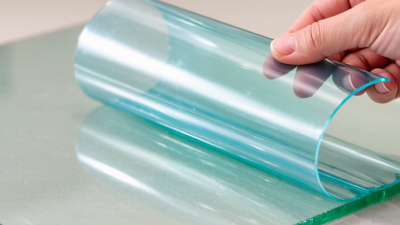
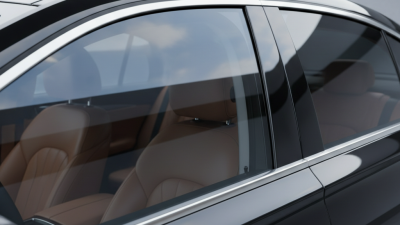
Plastic tint film is a thin polymer layer designed to control light passing through glass or clear surfaces. It may contain dyes, pigments, or reflective particles within a polyester base. Depending on its construction, the film can reduce glare, limit solar heat, filter ultraviolet radiation, or improve visual privacy. These functions support vehicles, office windows, retail interiors, residential glazing, and selected industrial applications.

Performance depends on more than visible darkness. A reliable film should offer stable color, clean adhesion, low haze, and consistent thickness. Field installers often check how the film behaves around curved glass, edges, and changing temperatures. A darker shade is not automatically better. It may reduce cabin brightness but create visibility concerns in low-light conditions. Even a well-specified product can disappoint when the glass surface is poorly prepared or installation conditions are ignored.

Tips: Global buyers should request technical data, sample rolls, and test reports before ordering. Compare visible light transmission, ultraviolet rejection, solar performance, adhesive type, roll dimensions, and expected service conditions. Ask whether the film is intended for indoor or outdoor exposure. Packaging also matters; moisture or crushed edges can damage the material before installation. Discuss regional climate requirements with experienced suppliers, but keep an independent quality check. That small step can reveal color variation, uneven coating, or installation shrinkage before a large shipment is accepted.

Top Plastic Tint Film Manufacturers for Global Buyers

What Plastic Tint Film Is and How It Supports Global Applications

Plastic tint film is a polymer-based film applied to glass or transparent surfaces to control light and solar energy. The chart presents representative industry-typical performance levels for automotive, architectural, commercial, and industrial applications. Visible light transmittance decreases as tint becomes darker, while ultraviolet rejection commonly remains above 99%.

Key Factors for Evaluating Plastic Tint Film Manufacturers

Evaluating plastic tint film manufacturers requires more than comparing shade and price. According to PlasticsEurope’s Plastics—The Facts 2023, global plastics production reached 400.3 million tonnes in 2022. This scale makes resin traceability important. Ask whether the supplier identifies polymer grades, additives, adhesive systems, and recycled content. A reliable manufacturer should provide batch records, safety data, and consistent technical sheets. Experience also matters. Request samples from different production lots, then compare color, haze, thickness, and bonding.

Performance claims need independent evidence. ASTM D1003 measures haze and luminous transmittance, while ASTM G154 supports accelerated ultraviolet exposure testing. ISO 4892-3 is also relevant for artificial weathering of plastics. Use these standards when reviewing test reports. MarketsandMarkets’ Automotive Films Market report projects strong growth through 2028, but market forecasts vary by definition and region. That is worth questioning. A supplier quoting only one impressive percentage may be avoiding useful detail. Check test duration, temperature, humidity, and failure criteria. Ask for results from an accredited laboratory, not only an internal spreadsheet.

Tips: Inspect edge curl after installation. Check adhesive clarity under bright light. Confirm roll width, core size, minimum order quantity, and replacement procedures. Compare warranty language with actual test evidence. A cheaper film may reduce initial spending. It may also create rework, waste, and customer complaints. Manufacturers should explain quality controls, environmental handling, and export documentation clearly. If answers remain vague, pause the purchase.

Leading Manufacturer Profiles Across Major Production Regions

Global buyers are comparing plastic tint film manufacturers by more than price. Production region strongly affects material access, coating expertise, and delivery stability. Grand View Research’s 2024 window film report identifies steady market growth, supported by automotive demand, energy-saving construction, and solar-control upgrades.

East Asian manufacturers often operate integrated lines for polyester film, adhesive coating, and optical testing. Their profiles may show strong monthly capacity, automated slitting, and export experience. Buyers should request haze, visible-light transmission, infrared rejection, and peel-strength data. A sample roll should also survive heat cycling. Laboratory figures are useful, but factory consistency matters more.

North American and European producers usually emphasize certified processes, application engineering, and tighter documentation. Their facilities may support smaller custom orders, regional compliance files, and climate-specific adhesive systems. Southeast Asian factories can offer competitive conversion costs, especially near resin and packaging supply chains. However, port congestion and humidity control deserve direct questions. The International Energy Agency reports that buildings account for about 30% of global final energy demand, keeping solar-control materials commercially relevant. Automotive research reports also link cabin heat reduction with lower air-conditioning loads, though results vary by vehicle glass and climate.

Do not trust brochures alone. Ask for batch records, test methods, warranty conditions, and three recent production samples. I would also question unusually high infrared-rejection claims; measurement equipment and test temperature can change the result. That detail is easy to miss.

Product Standards, Customization Options, and Quality Controls

Choosing a plastic tint film manufacturer requires more than comparing shade charts and quoted prices. Global buyers should review product standards, test methods, and traceable quality records. Film thickness, visible light transmission, ultraviolet rejection, haze, and color stability should match the intended application. Request current test reports, not old marketing sheets.

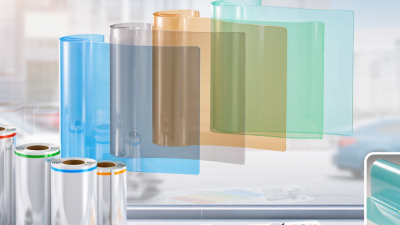
Customization can include neutral gray, bronze, blue, or dual-layer constructions. Suppliers may also adjust roll width, liner type, adhesive strength, and packaging. Small details matter. A poorly matched liner can cause wrinkles during installation. Uneven tint can become obvious across a large glass panel. Clear drawings and approved samples reduce these risks.

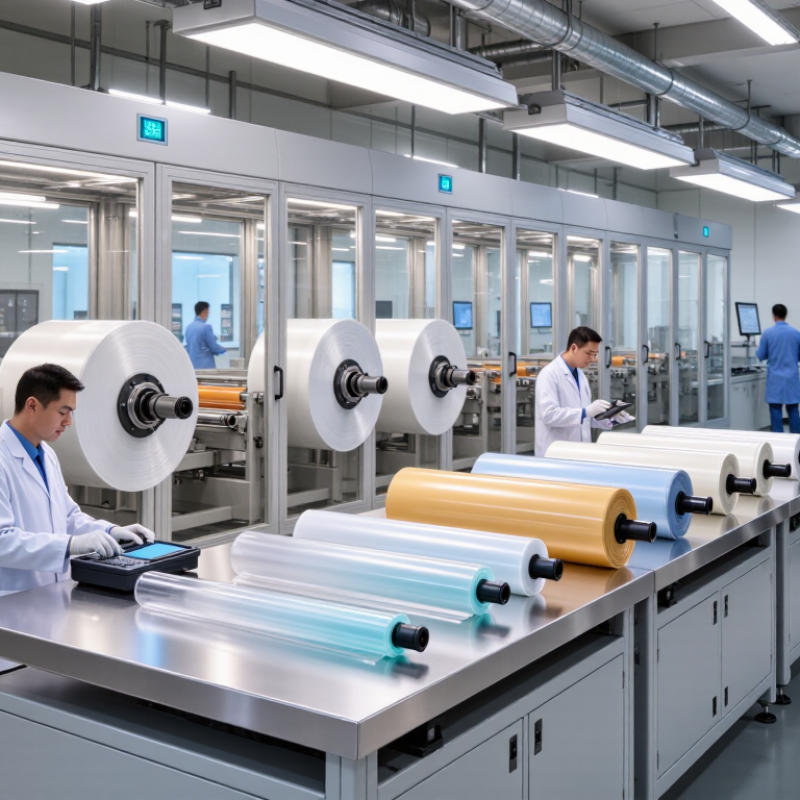
Quality control should continue from resin inspection to final packing. Reliable facilities commonly use spectrophotometers, thickness gauges, peel-strength tests, and accelerated aging chambers. Batch numbers should connect production data with shipped rolls. In my experience, factory samples often look better than the first mass-production lot. That gap deserves attention. No process is flawless. Buyers should inspect initial batches and define acceptance limits before signing long-term agreements. A practical audit also checks dust control, storage humidity, worker training, and complaint response time. These details reveal whether a manufacturer can support consistent international orders.

How Global Buyers Can Compare Suppliers and Select a Partner

Top Plastic Tint Film Manufacturers for Global Buyers

How Global Buyers Can Compare Suppliers and Select a Partner

Choosing a plastic tint film supplier requires more than comparing quoted prices. In practical sourcing, buyers should examine film thickness, visible light transmission, haze, color consistency, and adhesive performance. Request samples from each manufacturer. Compare them under daylight, office lighting, and vehicle glass conditions. Small differences become obvious.

Ask for recent test reports, production tolerances, UV resistance data, and packaging specifications. A reliable manufacturer should explain its quality-control process clearly. Check whether the factory measures coating thickness during production. Confirm the stated lead time with a trial order, not only a sales promise. Review minimum order quantities, payment terms, replacement procedures, and export experience. These details affect the real purchasing cost.

A factory audit can reveal practical issues. Look at clean-room conditions, roll storage, labeling, and batch traceability. Speak with technical staff, not only commercial representatives. They should answer questions about installation temperature, liner removal, and storage life. Verify that the product can meet the destination market’s safety and labeling requirements. No comparison is perfect. Samples may perform differently after shipment or seasonal temperature changes. I would record every result in one comparison sheet, even the inconvenient ones. A cheaper roll is not a better partner if defects interrupt installation schedules. Reliable communication often matters as much as laboratory performance.

Top Plastic Tint Film Manufacturers for Global Buyers - How Global Buyers Can Compare Suppliers and Select a Partner

Comparison Dimension Supplier Profile A
High-Volume Automotive
Supplier Profile B
Architectural and Automotive
Supplier Profile C
Custom and Specialty Film
Buyer Verification Method
Primary Film Base PET polyester film, commonly used for automotive window tint applications PET polyester and multilayer polymer constructions for glass and vehicle applications PET, dyed film, metallized film, ceramic-coated film, or other engineered constructions Request the technical data sheet, material declaration, and construction cross-section
Nominal Film Thickness Approximately 1.5–2.0 mil for many standard automotive products Approximately 1.5–4.0 mil, depending on safety, solar-control, or decorative requirements Approximately 1.0–8.0 mil, depending on the requested performance and application Measure samples with a calibrated thickness gauge and compare tolerance data
Visible Light Transmission (VLT) Commonly available from approximately 5% to 70% Commonly available from approximately 5% to 80% Custom ranges may be available, subject to optical and regulatory requirements Use a calibrated spectrophotometer and check the required local vehicle-glazing limits
Ultraviolet Rejection Often specified at 95% or higher for automotive tint products Often specified at 95% or higher, depending on film construction Can be engineered for high UV rejection, but performance must be confirmed by test report Request wavelength-specific test results, preferably covering the 280–400 nm UV range
Total Solar Energy Rejection Typically varies by tint, coating, and product series; commonly around 30%–65% Typically around 30%–75% across different solar-control constructions May exceed standard ranges in advanced multilayer or ceramic constructions Compare measurements made to the same optical standard and solar spectrum
Optical Clarity Suitable for high-volume automotive installation when haze is controlled Suitable for automotive and flat-glass applications with product-specific optical targets Can support specialty optical requirements, including decorative or privacy effects Check haze, clarity, distortion, color consistency, and edge quality on production samples
Adhesive System Pressure-sensitive adhesive designed for wet installation on glass Pressure-sensitive adhesive with options for automotive or architectural installation May offer custom adhesive strength, removability, or substrate compatibility Request peel, shear, aging, and compatibility test results for the intended glass type
Color Stability Dyed products require careful evaluation for long-term fading resistance Metalized, ceramic, and stabilized dyed options may provide different aging performance Can develop custom color and weathering specifications Review accelerated weathering data and compare before-and-after color measurements
Roll Width Options Commonly supplied in automotive widths, often approximately 1.52 m Automotive widths plus wider architectural rolls may be available Width, core size, and roll length can often be customized Confirm usable width, roll length, core diameter, winding direction, and splice policy
Minimum Order Quantity Usually more competitive for full-container or repeat-volume programs Often supports standard product orders with moderate customization Custom colors and constructions may require higher development quantities Obtain a written quotation showing MOQ by specification, color, width, and packaging format
Quality Management Evidence Should provide documented incoming, in-process, and final inspection controls Should provide batch traceability and inspection records for key optical properties Should provide process validation for customized materials Request a current ISO 9001 certificate, sample inspection report, and corrective-action procedure
Compliance Documentation May include automotive glazing test documentation and chemical declarations May include building-glass, automotive, fire, or environmental documentation as applicable Documentation depends on end use, substrate, market, and customized formulation Confirm requirements under applicable local regulations, REACH, RoHS, fire, and glazing standards
Sample and Pilot Support Strong fit for standard samples and repeatable production trials Suitable for application testing across vehicles and flat-glass projects Best suited to buyers requiring formulation, color, or performance development Evaluate sample lead time, test support, installation guidance, and response quality
Supply-Chain Fit Best for stable demand, standardized SKUs, and planned container shipments Best for mixed applications and broader product portfolios Best for technically demanding projects with longer qualification cycles Compare capacity, lead time, safety stock, export experience, and business-continuity plans
Commercial Evaluation Priority Unit cost, yield, consistency, delivery reliability, and total landed cost Performance-to-price ratio, range breadth, and application support Technical capability, customization, qualification support, and intellectual-property controls Use a weighted scorecard instead of comparing price alone

Note: Performance ranges shown above are indicative industry ranges for comparison purposes. Final values should be confirmed through current technical data sheets, independent test reports, production samples, and applicable regulations in the destination market.