Best Plastic Tint Film for Your Needs How to Choose?
Choosing the right Plastic Tint Film is crucial for both aesthetics and functionality. As industry expert Mark Thompson once stated, “The right tint can change a vehicle’s entire look while providing essential protection.” When considering your options, factors such as UV protection, heat rejection, and privacy need careful evaluation.
Plastic Tint Film comes in various types, making selection overwhelming. Each film offers different benefits, so understanding your specific needs is vital. You may want a film that enhances appearance without compromising visibility. Comparisons between brands can reflect quality and durability. Remember, a cheap option might save you money now, but may lead to costly replacements later.
Choosing the wrong Plastic Tint Film may lead to disappointment. Visually unattractive films can detract from a vehicle's appeal. Films that don’t align with local regulations might cause legal trouble. Careful research is necessary to ensure you make an informed decision. Ensure your choice balances style, protection, and compliance for the best outcome.

Understanding the Different Types of Plastic Tint Films Available Today
When selecting the right plastic tint film, understanding the different types available is crucial. There are primarily three categories: dyed, metallic, and ceramic films. Dyed films are popular for their affordability and aesthetic appeal. They absorb heat and provide basic UV protection. However, they may degrade faster than other types. According to recent industry reports, dyed films account for about 40% of the market due to their low cost and ease of installation.
Metallic films use layers of metal to reflect heat and provide better privacy. These films can block up to 99% of harmful UV rays. While they are effective, they may interfere with electronic signals. Reports indicate that around 35% of consumers prefer metallic films for their durability and performance. However, potential buyers must consider the potential drawbacks of signal interference. Reflective characteristics might also alter the vehicle's appearance significantly.
Ceramic films are the newest innovation. They offer excellent heat rejection without affecting visibility. They are more expensive but can last longer and resist fading. Research suggests that ceramic films have grown in popularity, comprising about 20% of the market. While they present a high value, the initial investment may not be suitable for everyone. Each type of film has its pros and cons, making it essential to evaluate personal needs and preferences.
Best Plastic Tint Film for Your Needs How to Choose?
| Film Type |
Visible Light Transmission (VLT) |
UV Protection |
Heat Rejection |
Durability |
| Dyed Window Film |
5% - 50% |
Up to 99% |
Moderate |
Average |
| Metalized Window Film |
10% - 70% |
Up to 99% |
High |
Good |
| Ceramic Window Film |
30% - 70% |
Up to 99% |
Very High |
Excellent |
| Reflective Window Film |
5% - 50% |
Up to 99% |
High |
Good |
| Safety and Security Film |
5% - 80% |
Up to 99% |
Moderate |
Very Good |
Key Factors to Consider When Choosing Plastic Tint Film Thickness
When selecting plastic tint film thickness, consider several key factors. Thickness significantly affects durability and performance. Thicker films usually offer more protection against scratches and UV rays. However, they can also block more light, impacting visibility inside your vehicle or workspace. A balanced approach is essential to meet your specific needs.
Consider the environment where the film will be installed. For areas with high exposure to sunlight, a thicker film may be more beneficial. It can provide better insulation and keep interiors cooler. However, if you live in a cloudier region, a thinner film might be sufficient. Evaluate how much light and heat you wish to retain or reject.
You might find it helpful to experiment with both thicknesses. This trial and error can lead to your ideal choice. Another insight is to seek opinions from professionals. They can provide valuable advice based on experience and expertise. Their insights can guide you in selecting the perfect tint film for your unique circumstances.
Analyzing UV Protection Ratings of Plastic Tint Films for Optimal Safety
When selecting a plastic tint film, understanding UV protection ratings is crucial. UV rays can pose significant risks to your skin and interior surfaces. High-quality tint films provide an effective barrier against harmful radiation. They reduce the percentage of UV light that enters your space. Look for films with a UV protection rating of 99% or higher for optimal safety.
To analyze UV protection ratings, consider transparency levels as well. Some films offer greater darkness for better privacy but may compromise light transmission. A balance is necessary to ensure your areas remain well-lit while still protecting from UV exposure. Not all films offer the same performance; some may not meet your safety needs despite their appealing looks.
Always check independent reviews and expert opinions. Reliability is key in making an informed choice. Not every tint film will perform as advertised. Some may only focus on aesthetics while downplaying their UV protection capabilities. Conducting thorough research is essential to find a product that truly meets your needs. It's valuable to ask yourself what features matter most to you. This reflection will guide your decision-making process, helping you choose wisely.
UV Protection Ratings of Plastic Tint Films
Evaluating Heat Rejection Capabilities of Plastic Tint Films
When choosing a plastic tint film, heat rejection capabilities are crucial. These films can significantly influence the comfort inside your vehicle or home. They work by blocking infrared radiation, which is responsible for heat buildup. Higher heat rejection means a cooler interior and reduced reliance on air conditioning.
Look for films with specific ratings indicating their heat rejection efficiency. Some films may provide up to 99% UV rejection, which is beneficial for skin protection. Consider the visible light transmission percentage as well, since darker films may offer higher heat rejection but could limit visibility.
It's essential to understand that not all films are created equal. Some may perform well under certain conditions but fail in others. Factor in your local climate, solar exposure, and aesthetic preferences. A product that works well in one environment might not suit a different setting. Research your options and consult professionals if needed.
Cost vs. Performance: Making an Informed Choice on Plastic Tint Film
When selecting plastic tint film, cost and performance are essential factors to consider. The right film can enhance privacy, reduce heat, and block harmful UV rays. However, cheaper options may compromise durability or effectiveness, which could lead to regrets later. Evaluating quality against budget is crucial.
Performance aspects include light transmission, heat rejection, and glare reduction. Some films are more reflective, while others are designed for clarity. Researching specifications can provide insights into what might work best for your specific needs. It's also worth considering the environment in which you'll be using the film. Some films perform better in certain climates, affecting long-term satisfaction.
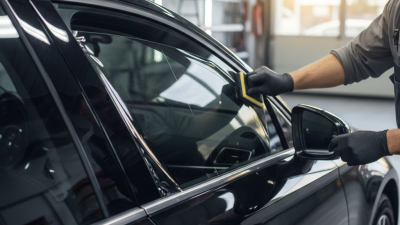
Installation is another critical component that often gets overlooked. Improper application can lead to bubbles, creases, or peeling. This can diminish both appearance and performance. Investing in professional installation might seem costly initially but can save you from future headaches. Reflect on how your choices might impact overall utility and appearance to ensure you make the best decision.

 1Durch die gruppenweite Einführung und Harmonisierung unseres integrierten Managementsystems (IMS) werden alle bestehenden Unternehmens-, Qualitäts-, Umwelt- und Energiepolitiken durch diese Unternehmenspolitik ersetzt. Der Slogan „Textil hat Zukunft – auch in De