Best Plastic Tint Film Options for Your Needs?
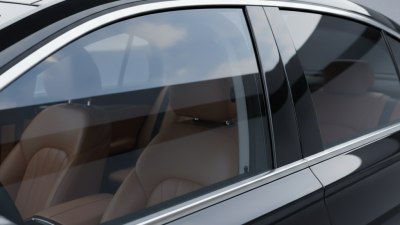
As the demand for Plastic Tint Film increases, choosing the right option becomes crucial. Experts like John Carter, a renowned automotive window film specialist, stress the importance of quality. He states, "Investing in the best tint film enhances both aesthetics and functionality." This insight reflects the balance needed between style and practicality.
Plastic Tint Film serves various needs, from UV protection to privacy enhancement. Many customers prioritize durability and clarity. However, not every film meets these standards. Potential buyers must remain cautious about their selections. Factors such as thickness, color, and brand reputation play significant roles.
Opting for the right Plastic Tint Film can feel overwhelming. With numerous choices, it’s easy to feel uncertain. Yet, gathering knowledge about different products will lead to better decisions. Reflecting on user reviews and product specifications can help simplify the process. The evolving market ensures that reliable options continuously emerge.
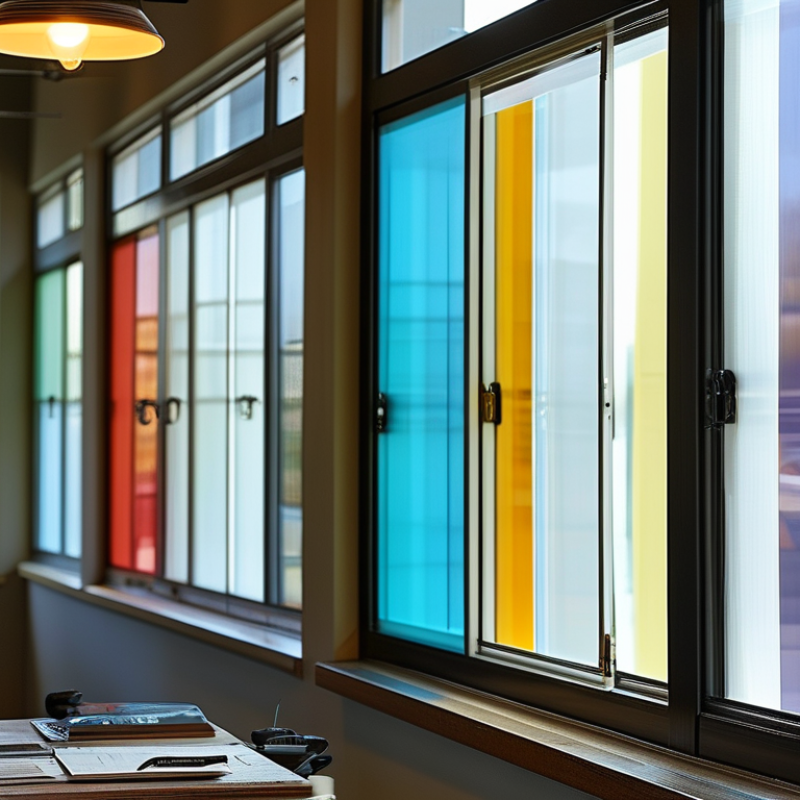
Understanding the Different Types of Plastic Tint Films and Their Uses
When choosing plastic tint films, understanding their different types is essential. There are several options, each with unique features. Dyed films offer good heat rejection and come in various shades. They are affordable and commonly used for cars. Metalized films provide excellent glare reduction and durability. These films have metallic particles that reflect sunlight, enhancing privacy and comfort. However, they might interfere with electronic signals.
Ceramic films deliver superior protection while retaining clarity. They block UV rays without changing the appearance of your windows. This option is often considered the best for those seeking high performance. However, ceramic films can be more expensive and difficult to install.
**Tips:** Choose a tint film based on your primary needs. For instance, if privacy is crucial, consider darker dyed films. Always check local laws regarding tint darkness. Proper installation is key; poorly applied films can peel or bubble over time. Be prepared to invest time in research to find the right type that suits your environment.
Best Plastic Tint Film Options for Your Needs
| Type of Plastic Tint Film |
UV Protection (%) |
Visible Light Transmittance (%) |
Heat Rejection (%) |
Typical Uses |
| Dyed Window Tint |
99 |
5 - 50 |
35 |
Automobiles, Privacy Applications |
| Metalized Window Film |
99 |
10 - 40 |
50 |
Commercial Buildings, Heat Control |
| Ceramic Window Film |
99 |
30 - 70 |
60 |
Luxury Vehicles, High-End Buildings |
| Hybrid Window Film |
99 |
20 - 50 |
45 |
Mixed Applications, Versatile Use |
| Safety and Security Film |
99 |
40 - 60 |
40 |
High Risk Areas, Anti-Intrusion |
Key Factors to Consider When Choosing Plastic Tint Films for Vehicles
When selecting plastic tint films for vehicles, several key factors come into play. Understanding these factors can significantly enhance your choice. First, consider the film's VLT (Visible Light Transmission) rating. A lower VLT means more darkness, providing better privacy and heat reduction. According to industry reports, films with a VLT of 5% can block up to 68% of solar heat. This can contribute to a cooler interior, especially in summer.
Durability is another important aspect. Quality tint films resist scratches and fading from UV exposure. Research indicates that top-grade films can maintain clarity for over a decade with proper care. However, don't overlook the installation process. A professional application can make a difference in performance. Poor installation may lead to bubbling or peeling, ultimately decreasing the film's lifespan.
Tip: Always ask about warranty options when shopping for tint films. A solid warranty can provide additional peace of mind.
When it comes to aesthetics, color options vary widely. Shades from classic greys to vibrant hues can enhance your vehicle's appearance. Keep in mind, lighter films may not provide as much heat rejection as darker ones. Reflective films can improve visibility but might be restricted in certain areas. Balancing functionality and style is crucial in your decision-making process.
Performance Metrics: UV Protection and Heat Rejection of Tint Films
When selecting tint films, performance metrics like UV protection and heat rejection are crucial. High-quality films can block up to 99% of harmful UV rays. This significant reduction in UV exposure helps protect both your skin and the interior of your vehicle. Studies reveal that prolonged UV exposure can lead to skin cancer and other health issues. Choosing a reliable tint film significantly reduces these risks.
Heat rejection is another vital factor. Some advanced films boast a heat rejection rate of over 60%. This capability keeps the interior cooler, reducing reliance on air conditioning. On hot days, that difference can enhance comfort. However, not all films perform equally well. Some lower-cost options might only reject 30% of heat, making them less effective. It's essential to balance cost and performance to achieve the best results.
Additionally, the longevity of tint films affects their performance. Films made with higher-quality materials tend to last longer and maintain their protective qualities. Yet, users often underestimate how environmental factors like pollution can deteriorate cheaper tints. Regular maintenance can be necessary. Understanding these metrics can lead to more informed choices when considering plastic tint films.
Comparative Analysis of Leading Plastic Tint Film Brands in 2023
As the demand for plastic tint films grows, understanding the best options becomes critical. In 2023, industry reports indicate that approximately 40% of consumers prioritize UV protection and heat rejection in their tint choices. A significant number of car and home owners consider these factors essential for comfort and vehicle longevity.
Comparatively, various brands offer unique features. Some films promise more than 99% UV blockage, while others focus on heat reduction. Data shows that films with a higher solar heat gain coefficient (SHGC) can lower cooling costs by up to 30%. However, performance can vary widely. Customer reviews suggest that users often experience issues with adhesive problems, which can lead to bubbles and peeling.
Professionals advise consumers to assess warranty details closely. Many products claim durability and performance but fail to deliver in real-world conditions. Feedback indicates that even the most popular films may not fulfill customer expectations upon installation. Balancing cost with performance is vital, and it’s worth reflecting on the value of proper installation to ensure optimal results.
Installation Techniques: Ensuring Optimal Durability for Tint Films
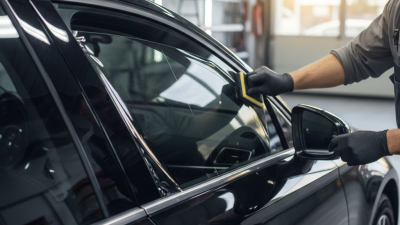
When considering the installation of plastic tint films, the technique is crucial for achieving durability. Many experts argue how proper installation greatly influences the lifespan of tint films. According to a 2022 industry report, approximately 30% of tint failures are due to poor application techniques. Surface preparation, temperature control, and adhesive quality can determine how well a film adheres. Without meticulous attention, even the highest quality film may not perform optimally.
One common mistake is skipping surface cleaning. Dust and debris can create bubbles. A smooth surface ensures a tighter seal. In addition, temperature can affect adhesion. Films applied in cooler environments may not adhere properly, leading to lifting or peeling. Overlapping films can lead to gaps, further reducing effectiveness. It is critical that installers understand the materials and conditions to avoid these pitfalls.
Further insights show that improper handling during installation can lead to localized wear and tear. Edges are often the most vulnerable areas, where moisture can penetrate. Regular maintenance, such as cleaning and inspection, allows for corrective measures before significant damage occurs. Awareness of wear patterns helps in making informed decisions about replacement or repair, extending the overall lifespan of the tint film.

 1Durch die gruppenweite Einführung und Harmonisierung unseres integrierten Managementsystems (IMS) werden alle bestehenden Unternehmens-, Qualitäts-, Umwelt- und Energiepolitiken durch diese Unternehmenspolitik ersetzt. Der Slogan „Textil hat Zukunft – auch in De