How to Use Polymer Film for Effective Packaging Solutions?
In the packaging industry, the versatility of Polymer Film has transformed how products are protected and presented. Experts like Dr. Emily Hart, a leading authority in polymer research, emphasize its importance. She states, "Polymer films are revolutionizing packaging through their adaptability and sustainability." This innovation addresses key industry challenges.
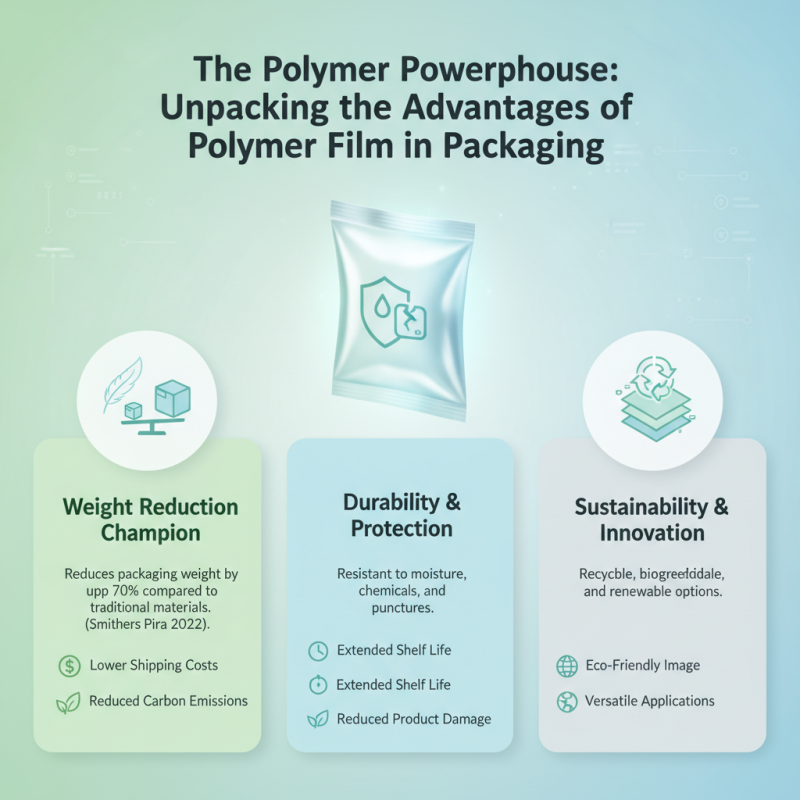
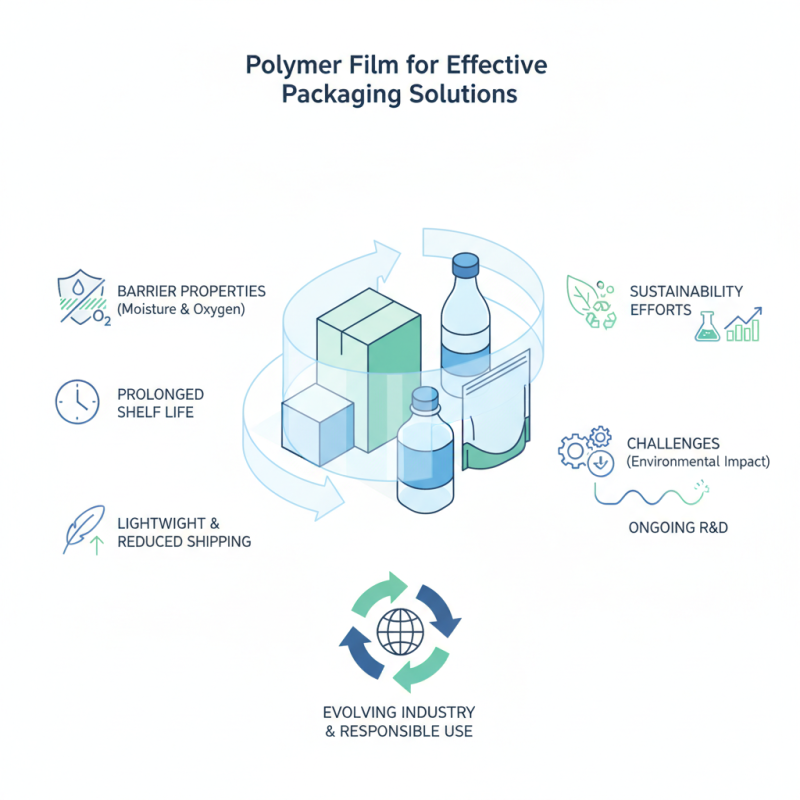
The benefits of Polymer Film are evident. It offers excellent barrier properties against moisture and oxygen. This feature helps in prolonging shelf life and maintaining product quality. Many businesses are shifting to Polymer Film due to its lightweight nature, reducing shipping costs. However, the transition is not without hurdles. Some manufacturers still grapple with the environmental impact of these materials.
Understanding Polymer Film's role in packaging is crucial. While it provides effective solutions, ongoing research and development are essential. As industries evolve, so must the approach to using Polymer Film responsibly. The quest for sustainable options requires reflection and commitment.
Understanding Polymer Film and Its Properties
Polymer films are revolutionizing the packaging industry. Their unique properties make them suitable for various applications. These films offer strength, flexibility, and barrier protection. According to a 2021 market report, global demand for polymer films is projected to reach 30 million tons by 2025. This growth is driven by the need for sustainable and efficient packaging solutions.
Understanding the properties of polymer films is essential. They can be lightweight yet strong, providing excellent protection against moisture and UV light. This trait is particularly valuable for food packaging, as it helps retain freshness. Additionally, polymer films can be custom-engineered to meet specific packaging needs. Industries are increasingly relying on these materials to meet stringent regulations on food safety and waste reduction.
Tips for effective use of polymer films:
- Choose the right thickness for your application to avoid waste.
- Always consider the environmental impact of your packaging choices.
- Reflect on using biodegradable polymers as the industry is leaning toward sustainability.
- Regular assessments of your packaging materials can lead to improvements in efficiency and effectiveness.
Types of Polymer Films Used in Packaging
Polymer films play an essential role in modern packaging. Various types of polymer films are designed to meet different needs. These films provide durability, moisture barrier properties, and flexibility, aiding in preserving product quality.
One popular type is polyethylene film, known for its lightweight and strong characteristics. It is widely used in food packaging. Another common option is polypropylene film. This film enhances clarity and provides excellent sealing properties. It is often chosen for consumer goods and personal care products.
However, not all polymer films are eco-friendly. The environmental impact of production and disposal is a growing concern. Some manufacturers are exploring biodegradable alternatives. Balancing functionality and sustainability is crucial for the future of packaging solutions. This is an ongoing challenge in the industry, requiring continuous innovation.
Advantages of Using Polymer Film for Packaging Solutions
Polymer film has become a game-changer in the packaging industry, offering numerous advantages for businesses. One significant benefit is its lightweight nature. According to a 2022 report by Smithers Pira, polymer films can reduce packaging weight by up to 70% compared to traditional materials. This reduction not only decreases shipping costs but also lowers overall carbon emissions during transportation.
Additionally, polymer films exhibit excellent barrier properties. They effectively protect products from moisture, oxygen, and UV light. This characteristic is vital for preserving food freshness and extending shelf life. A study from the Packaging Machinery Manufacturers Institute shows that products packaged with polymer films can last 20-30% longer than those in conventional packaging.
**Tip:** For businesses seeking effective solutions, consider testing different thicknesses of polymer films. Sometimes, thinner films provide adequate protection while being even more cost-effective.
Another avantage is the versatility of polymer films. They can be easily customized to fit various shapes and sizes, making them suitable for diverse products. However, businesses must be cautious about sourcing high-quality materials. Not all polymer films provide the same level of durability and protection. A previous error in material selection led to increased spoilage rates for some companies.
**Tip:** Regular feedback from consumers can provide insights on packaging effectiveness. This can prompt improvements in material selection and design.
Best Practices for Utilizing Polymer Film in Packaging
Polymer film is becoming a cornerstone in packaging solutions. Its versatility and durability make it a preferred choice among manufacturers. According to the Flexible Packaging Association, the flexible packaging market is expected to grow by 6% annually until 2025. This growth highlights the importance of adopting effective practices in polymer film usage.
When utilizing polymer film, it is crucial to select the right type. Films vary in thickness, composition, and barrier properties. Not all films are ideal for every product. For instance, products sensitive to moisture require films with excellent barrier qualities. Understanding product needs can mitigate spoilage and waste, enhancing sustainability in packaging.
However, challenges exist. Not every polymer film is recyclable, which raises concerns about environmental impact. A recent study indicated that only 14% of plastic packaging is recycled globally. This statistic serves as a reminder to industry professionals: innovation in materials is essential. Exploring biodegradable options or promoting closed-loop systems could address these issues while offering effective packaging solutions.
How to Use Polymer Film for Effective Packaging Solutions? - Best Practices for Utilizing Polymer Film in Packaging
| Dimension |
Material Type |
Thickness (microns) |
Sealing Method |
Applications |
| Standard Wrap |
Polyethylene (PE) |
30 |
Thermal |
Food Packaging |
| Barrier Film |
Polyamide (PA) |
75 |
Cold |
Snack Packaging |
| Shrink Film |
Polyvinyl Chloride (PVC) |
50 |
Heat |
Electronics Packaging |
| Flexible Pouch |
Laminated Films |
150 |
Heat/Chemical |
Cosmetics Packaging |
Environmental Considerations and Recycling of Polymer Films
Polymer films are widely used in packaging due to their versatility. However, environmental concerns about plastic waste remain critical. Understanding recycling options is essential for reducing negative impacts. Many polymer films can be recycled, but not all. Contaminated films are often rejected at recycling facilities, creating a significant issue. It is crucial to ensure that these materials are clean before disposing of them.
Not every type of polymer film is recyclable in standard municipal systems. Many films require specialized facilities for processing. This limitation can discourage effective recycling practices. Innovations in biodegradable polymers are a promising avenue, yet they are not the complete solution. Some bioplastics still degrade poorly in natural environments.
Education on proper disposal methods is essential. Consumers must be encouraged to check local recycling guidelines. Many still struggle with knowing what is recyclable. This confusion leads to increased waste and frustration. Open discussions about these topics can lead to clearer solutions and improvements in recycling systems. The journey towards sustainable packaging is ongoing and demands collective effort.
Usage of Polymer Films in Packaging Applications
This bar chart illustrates the global usage of polymer films across various packaging applications. Food packaging leads the sector, highlighting the importance of polymers in keeping products fresh and safe. Other significant applications include pharmaceuticals and consumer goods, showcasing the versatility and effectiveness of polymer films in packaging solutions.

 1Durch die gruppenweite Einführung und Harmonisierung unseres integrierten Managementsystems (IMS) werden alle bestehenden Unternehmens-, Qualitäts-, Umwelt- und Energiepolitiken durch diese Unternehmenspolitik ersetzt. Der Slogan „Textil hat Zukunft – auch in De