10 Tips for Choosing the Right Pet Polyester Film for Your Projects
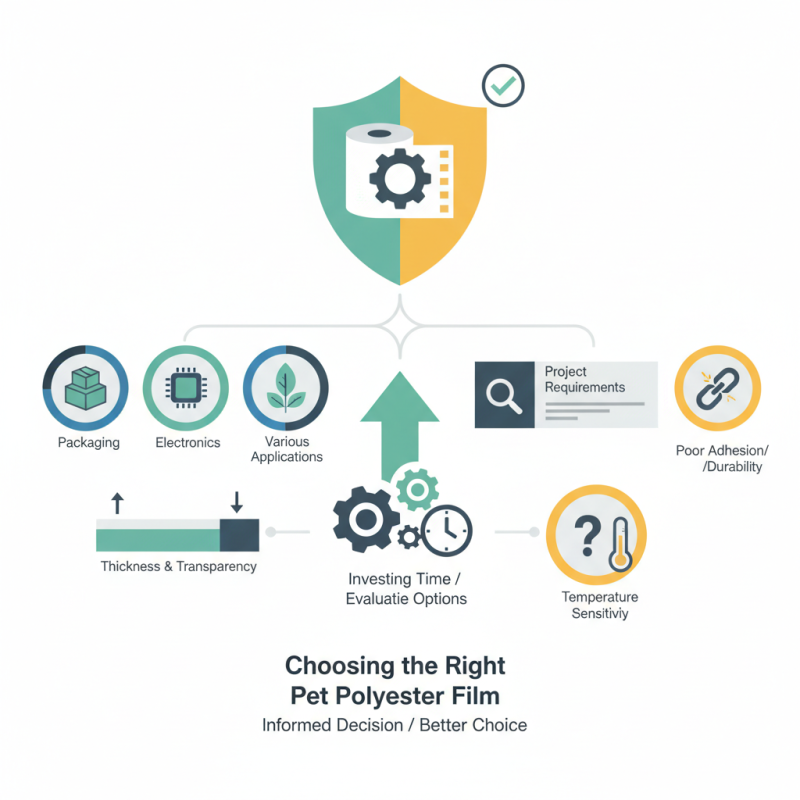
Choosing the right Pet Polyester Film for your projects can significantly impact your outcomes. This material is versatile, used in various applications, from packaging to electronics. Understanding its properties is crucial for making an informed decision.
Pet Polyester Film comes in different grades, each suited for specific uses. The film's thickness and transparency can influence its performance. It's essential to consider your project requirements carefully. A mismatch could lead to issues like poor adhesion or inadequate durability.
Investing time in evaluating your options can save you from costly errors. However, be aware that not every product will meet your expectations. Some films might have limitations, like temperature sensitivity. Reflecting on these factors will help you make a better choice.
Understanding the Different Types of Polyester Films Available
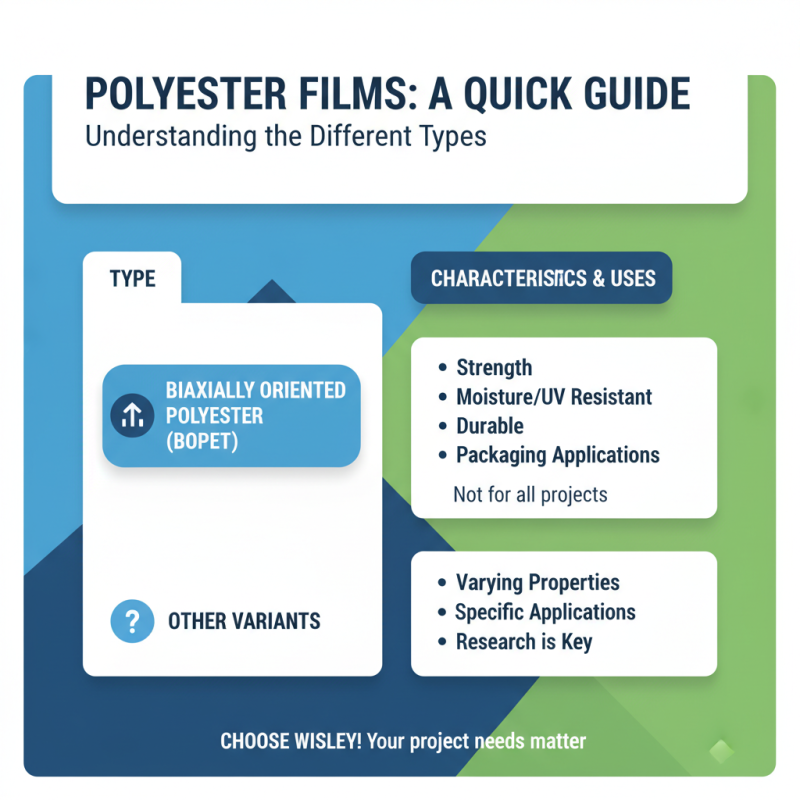
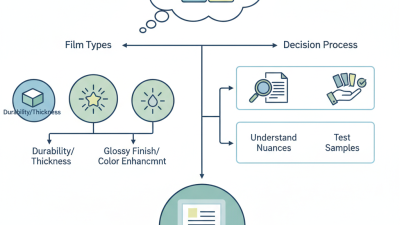
When selecting a polyester film, understanding the different types is crucial. There are several variants, each with unique characteristics. For example, Biaxially Oriented Polyester (BOPET) films are popular for their strength and clarity. These films excel in packaging applications. They resist moisture and UV light, offering durability. However, they may not be ideal for all projects.
Another option is thermally stable polyester films. These films can withstand higher temperatures, making them suitable for specific industrial applications. They maintain performance even under heat stress. Yet, users need to consider the balance between flexibility and rigidity. Have you thought about how this might affect your project?
Lastly, there are specialty polyester films designed for niche applications. These films might have specific coatings for increased adhesion or enhanced barrier properties. It’s essential to weigh the benefits against cost and availability. Be aware that what suits one project might not suit another. Reflect on the needs of your application before making a final choice.
Evaluating Film Thickness for Your Specific Project Needs
When selecting the right polyester film for your projects, evaluating film thickness is crucial. The thickness of the film can significantly affect its durability, flexibility, and overall performance. Industry studies indicate that a thickness of 0.5 to 3 mils is typically recommended for various applications, such as packaging and printing. A common misconception is that thicker films always perform better. However, thinner films may provide adequate protection and save costs in certain contexts.
It’s essential to match the film thickness to your specific project needs. For instance, thinner films (around 1 mil) might be sufficient for short-term applications. They can be more transparent and cheaper. Conversely, thicker films (up to 3 mils) are better suited for demanding applications, where structural integrity is vital. Data shows that projects requiring high tensile strength often benefit from these heavier films. Fluctuations in demand can also mean adjustments in thickness are necessary.
Quality control is another aspect to consider. Not all suppliers maintain consistent thickness across their product lines. Variations can lead to unexpected project setbacks. It’s wise to request samples for testing. This allows for a thorough assessment before committing to larger orders. In an industry where precision matters, ensuring the right thickness can make or break your project success.
Assessing Optical Clarity and Surface Properties of Polyester Films
When selecting a pet polyester film for your projects, evaluating its optical clarity is crucial. Optical clarity affects visibility and overall aesthetic appeal. High clarity films allow for vibrant colors and sharp details, particularly important in applications like displays and packaging. To gauge this, inspect the film's transparency against a light source. Look for any distortions or color shifts that may indicate lower quality.
Surface properties also play a vital role in the film's performance. Factors such as texture and finish can impact adhesion, printing, and durability. A rough surface might enhance grip but could interfere with sleek designs. Meanwhile, a smooth surface allows for crisp graphics but may be prone to scratches. Performing tactile tests can expose these characteristics, revealing the ideal film type for your specific needs.
It’s worth noting that not all films perform well under various conditions. Some may excel in clarity but fall short in resilience. This trade-off can be frustrating. Regular testing and consultations with experts can help refine your choices. Exploring the right balance of optical clarity and surface properties ensures better outcomes for your projects.
Considering Heat Resistance and Chemical Stability in Polyester Choices
When selecting the right pet polyester film, heat resistance and chemical stability are crucial factors. Polyester films are often exposed to high temperatures. These films need to maintain their integrity under heat. Consider the temperature range your project requires. Not all films can withstand extreme heat or sudden temperature changes. This is where researching heat resistance becomes vital for your success.
Chemical stability is equally important. If the film interacts negatively with substances it encounters, the project could fail. Films that break down in the presence of specific chemicals can cause major issues. It is essential to identify the chemicals your project may come into contact with. Some films can resist degradation better than others. Make informed choices based on the data available, but remember that no product is perfect. Always test samples in real-life conditions before fully committing to a selection.
Budgeting and Sourcing Quality Polyester Films for Your Applications
When budgeting for polyester film, it’s crucial to consider both quality and cost.
Research shows that high-quality polyester films can improve project durability and appearance, which ultimately saves money on replacements.
According to industry reports, the global demand for polyester films is projected to reach 3.4 million tons by 2024, driven by applications in packaging, electronic, and automotive sectors.
This highlights the importance of sourcing reliable films to meet specific project needs.
Quality often correlates with price, yet cost-efficient options exist. One approach is to analyze supplier certifications.
Industry standards, such as ISO 9001, indicate reliable production practices and material integrity.
It's also vital to investigate the film's application. A thorough understanding of your project’s requirements can guide you toward the right specifications.
For instance, certain films require additional coatings or treatments depending on their intended use.
Lastly, sourcing locally may provide better pricing and quicker delivery.
While overseas suppliers often offer lower base prices, shipping costs and import duties can inflate total expenses.
A close look at local providers might yield better options. Assessing all these factors carefully will lead to more informed decisions without compromising quality.
Regular reviews of suppliers and materials can ensure ongoing value in your projects.

 1Durch die gruppenweite Einführung und Harmonisierung unseres integrierten Managementsystems (IMS) werden alle bestehenden Unternehmens-, Qualitäts-, Umwelt- und Energiepolitiken durch diese Unternehmenspolitik ersetzt. Der Slogan „Textil hat Zukunft – auch in De