China Best Plastic Tint Film Manufacturers?
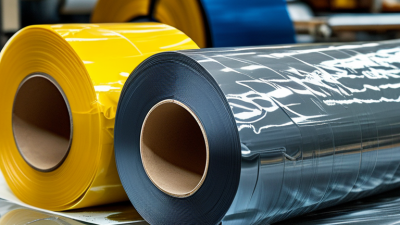
Choosing the best Plastic Tint Film manufacturers in China requires more than comparing prices. Product consistency, technical support, and verified production experience matter just as much. A reliable supplier should explain its film structure, visible light transmission, ultraviolet protection, heat rejection, and adhesive performance clearly. It should also provide samples before large orders.
In real projects, small details often reveal manufacturing quality. Check whether the film rolls arrive evenly wound, without cloudy edges, wrinkles, or color shifts. Ask how the factory controls coating thickness and handles batch-to-batch differences. Factory audits, test reports, and customer references can strengthen confidence. However, documents alone are not enough. A sample installed on glass can reveal haze, shrinking, bubbling, or weak adhesion within days.
This guide examines China’s leading Plastic Tint Film manufacturers through practical and professional criteria. These include material quality, customization options, production capacity, quality control, export experience, and after-sales communication. The “best” supplier may differ for automotive, architectural, residential, or commercial applications. That distinction matters.
Some manufacturers look impressive online but respond slowly to technical questions. Others offer fewer marketing claims and stronger engineering support. That contrast deserves attention. Buyers should also review packaging, lead times, warranty language, and installation guidance before making a decision. No supplier is perfect. Even experienced factories may face occasional color variation or shipping delays. Careful verification remains essential. This article aims to provide a balanced starting point for identifying capable Chinese manufacturers and making a more informed sourcing decision.
What Is Plastic Tint Film and Where Is It Used?
China Best Plastic Tint Film Manufacturers?
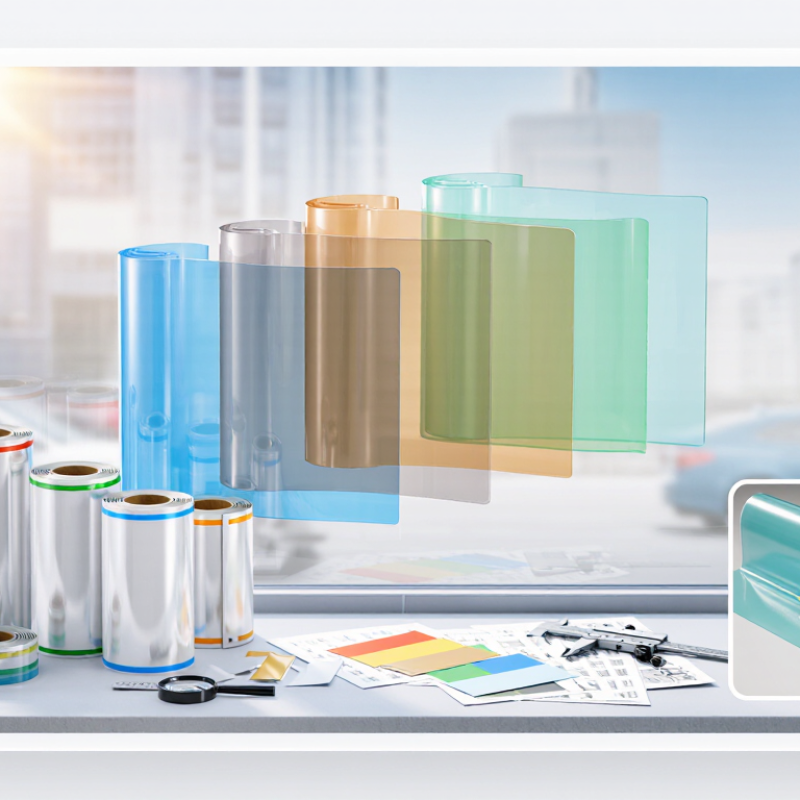
Plastic tint film is a thin polymer sheet, usually built on a polyester carrier. It uses dyes, metal layers, or ceramic particles to control light through glass. The film can reduce glare, block ultraviolet radiation, and limit solar heat. It does not make ordinary glass unbreakable. That distinction matters.
The International Energy Agency’s Buildings 2023 report states that buildings consume about 30% of global final energy. They also create roughly 26% of energy-related emissions. In offices, homes, vehicles, retail stores, and skylights, tint film can support better daylight control and cooling comfort. The U.S. Department of Energy’s Energy Saver guidance also recognizes window film as a method for reducing solar heat gain. A market assessment by Grand View Research estimated the global window film market at over 11 billion dollars in 2023. Demand is growing, but product claims still need checking.
Tips: When comparing manufacturers in China, request visible-light-transmission, ultraviolet-rejection, solar-energy-rejection, and adhesive-aging test results. Check whether tests follow recognized standards, not only factory brochures. Inspect a sample beside a window. Look for haze, color shift, edge lifting, and bubbles. Real buildings are messier. Film performance can change with glass type, climate, installation skill, and cleaning habits. A cheaper roll may create higher replacement costs. That assumption is easy to miss.
Key Products and Technologies Offered by Chinese Manufacturers
Chinese plastic tint film manufacturers now offer more than basic dyed polyester sheets. Their main products include dyed, metallized, carbon, ceramic, and multilayer optical films. These films target different needs, including glare control, infrared rejection, privacy, and ultraviolet protection.
Market demand is expanding with vehicle production. The China Association of Automobile Manufacturers reported 30.09 million vehicle sales in 2023, including 9.495 million new-energy vehicles. The International Energy Agency also stated that China exceeded eight million electric-car sales that year. Electric vehicles need cabin cooling, so infrared-rejecting films may reduce heat entering through glass. Manufacturing technology commonly includes precision coating, sputtering, nano-ceramic dispersion, and pressure-sensitive adhesive control. Quality suppliers should provide visible light transmission, total solar energy rejection, haze, and UV test results. One claimed number is not enough. Independent testing still matters.
Tips: Request samples from different production batches. Check color consistency beside natural daylight. Ask for laboratory reports using recognized testing methods. Inspect edge adhesion after heat exposure. Some low-cost films look attractive initially but may fade, bubble, or create signal interference. That risk deserves attention. Suppliers with in-house spectrophotometers, clean coating rooms, and traceable quality records usually offer better process control. Yet even advanced factories can show uneven performance across models, so practical vehicle testing should remain part of procurement.
Key Products and Technologies Offered by Chinese Plastic Tint Film Manufacturers
The chart compares representative solar-energy rejection ranges commonly specified for major automotive and architectural tint-film technologies. Dyed films generally emphasize appearance and privacy, while carbon, ceramic, and sputtered or metallized films provide progressively stronger heat-control performance. Actual results vary according to film construction, visible light transmission, glass type, and installation quality.
How to Select the Right Chinese Plastic Tint Film Manufacturer
Selecting the right Chinese plastic tint film manufacturer requires more than comparing quotations. Define the application first: automotive glass, architectural windows, or decorative panels. Ask for visible light transmission, ultraviolet rejection, solar heat rejection, haze, thickness, and adhesive strength. These figures should appear on a technical data sheet, not only in a sales message.
Market context matters. The International Energy Agency reports that buildings consume about 30% of global final energy, making solar-control films relevant to energy management. Grand View Research also identifies rising demand for automotive films, driven by heat reduction and passenger comfort. However, market growth does not prove factory quality. Request samples from three production batches. Measure color consistency, edge curling, surface scratches, and adhesive clarity under strong light.
Check whether the manufacturer controls coating, slitting, inspection, and packaging internally. Request test records using recognized ASTM or ISO methods, plus accelerated aging results. A reliable supplier should explain test conditions, not hide behind certificates. Confirm production capacity with dated photographs, machine lists, and a live factory audit. Review export experience, complaint handling, replacement terms, and packaging performance. A small paid trial order is wiser than a large promise.
Do not trust perfect claims. Some films look clear initially but discolor after heat exposure. Ask difficult questions, and record every answer.

 1Durch die gruppenweite Einführung und Harmonisierung unseres integrierten Managementsystems (IMS) werden alle bestehenden Unternehmens-, Qualitäts-, Umwelt- und Energiepolitiken durch diese Unternehmenspolitik ersetzt. Der Slogan „Textil hat Zukunft – auch in De