Best Pet Polyester Film for Your Packaging Needs?
In today's packaging industry, the demand for high-quality materials is crucial. One standout option is Pet Polyester Film. Statistics show that the global market for Pet Polyester Film is expected to grow at a CAGR of 5% from 2021 to 2026. This growth reflects its versatility and cost-effectiveness. Industry expert Dr. Emily Johnson states, "Pet Polyester Film is revolutionizing how products are packaged due to its durability and recyclability."
Pet Polyester Film is widely used in various applications, from food packaging to electronics. Its chemical resistance and clarity make it an excellent choice for brands seeking to enhance their packaging. However, not all Pet Polyester Films are created equal. It's essential for businesses to evaluate their specific needs carefully.
Despite the clear advantages, companies may overlook the environmental impact of their packaging choices. Finding the right balance between performance and sustainability can be challenging. Thoughtful decision-making in selecting Pet Polyester Film can lead to both quality packaging and a reduced ecological footprint.
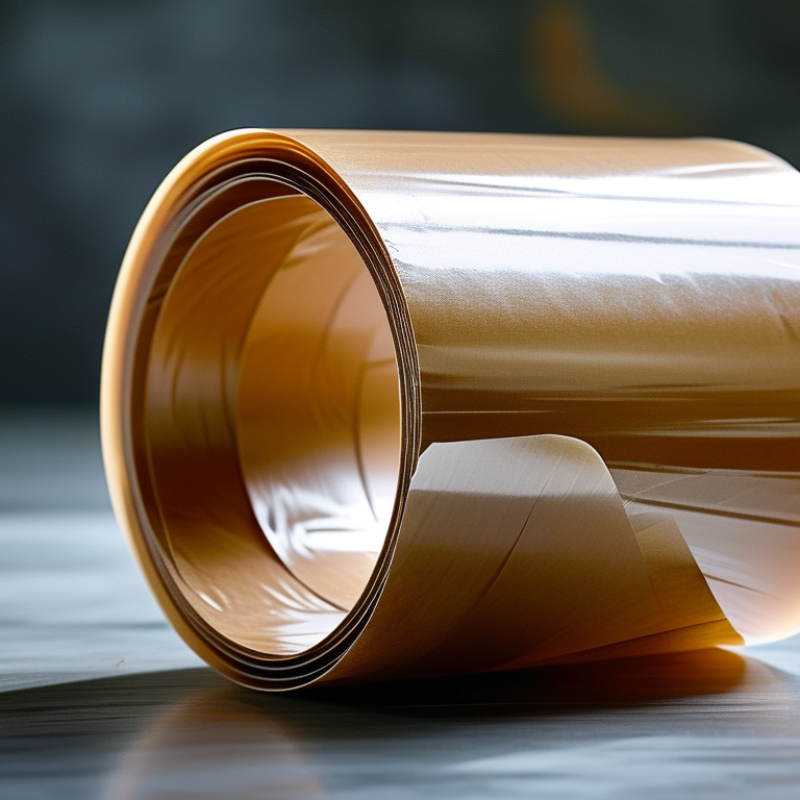
Understanding Polyester Film and Its Benefits for Packaging
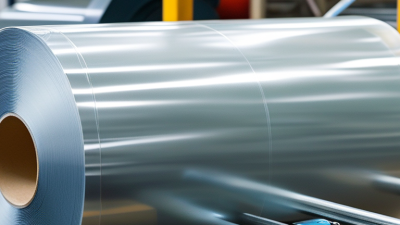
Polyester film is a versatile material often used in packaging. Its unique properties make it an excellent choice for various applications. One of its primary benefits is durability. This film can withstand a range of temperatures, making it suitable for hot and cold products. Additionally, polyester film offers high tensile strength, which helps prevent tearing during shipping or handling.
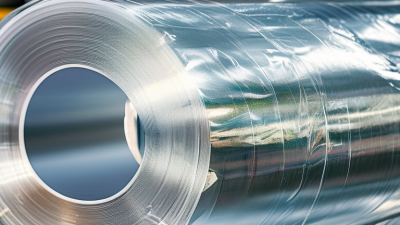
Another important aspect is its chemical resistance. Polyester can resist moisture, oils, and many chemicals. This feature helps preserve the quality of the packaged items. Its clarity also allows for excellent visibility. Customers can easily see the product inside, which can enhance the buying experience. However, not all polyester films are the same. It’s crucial to choose the right type based on your specific needs.
While polyester film provides many advantages, there are considerations to keep in mind. Some people may overlook the environmental impact of plastics. Finding a balance between packaging needs and sustainability is essential. Seeking out films that are recyclable or made from recycled materials can mitigate this concern. It's a topic worth reflecting on, especially as consumers increasingly value eco-friendliness in their purchasing decisions.
Different Types of Polyester Films: Which One is Right for You?
When choosing polyester films for packaging, understanding the different types is essential. Each type has unique characteristics that affect performance and suitability. For instance, biaxially oriented polyester (BOPET) films offer high tensile strength and clarity, making them ideal for food packaging. However, the cost can be higher compared to other options.
Thermal laminating films are another choice. They provide a glossy finish and enhance durability. They are useful for protecting printed materials but may not be the best for all products. A careful evaluation of your specific needs is crucial. It’s also worth noting that not all films handle temperature changes equally well.
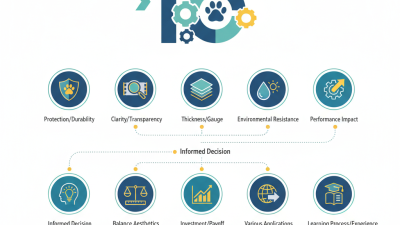
Choosing the right film can be challenging. Overlooked factors like film thickness and barrier properties can impact the overall effectiveness of your packaging. While you may prefer one type over another, it's important to weigh all factors. Consider experimenting with samples before making a final decision. This enables a more informed choice tailored to your packaging needs.
Key Properties to Look for in Pet Polyester Films for Packaging
When selecting PET polyester films for packaging, several key properties play a crucial role. Clarity and glossiness are essential for making products visually appealing. High barriers against moisture and gases help maintain product freshness. Additionally, these films should resist chemicals and physical damage.
Another factor is the thermal stability of the film. It ensures that the packaging can withstand various temperatures during transportation and storage. Companies should consider the film's thickness. Thicker films generally provide more durability, while thinner films can be lighter and cost-effective.
However, not all films meet every requirement perfectly. Some may lack in flexibility, leading to issues during packaging. It's crucial to evaluate the specific needs of your product and balance them against film properties. The right choice may require testing different films to find the best fit. Understanding these nuances helps ensure optimal packaging solutions.
Best Practices for Using Pet Polyester Film in Your Packaging Process
When utilizing PET polyester film in packaging, several practices can enhance your process. Consider the thickness of the film. Thicker films provide better durability, while thinner ones offer more flexibility. Balance is crucial; too much thickness may hinder sealing. Also, ensure proper heat settings during the sealing process. Inconsistent temperatures can lead to weak seals.
Incorporating a quality control step is critical. Regularly inspect your films for defects such as bubbles or scratches. These issues can affect the integrity of your packaging. Always keep a sample from each batch for reference. This can help in addressing any inconsistencies during production.
Tips: Test the film under actual conditions before full-scale production. This will help identify challenges early. Don’t forget to train your staff on the best methods to handle PET polyester film. Proper handling prevents unnecessary damage. A little caution goes a long way in ensuring quality.
Best Pet Polyester Film for Your Packaging Needs? - Best Practices for Using Pet Polyester Film in Your Packaging Process
| Property |
Value |
Application |
| Thickness |
12-500 microns |
Flexible packaging |
| Tensile Strength |
60-150 MPa |
Strain-resistant packaging |
| Chemical Resistance |
High |
Packaging for chemicals |
| Temperature Resistance |
-40°C to 120°C |
Food packaging |
| Barrier Properties |
Excellent gas and moisture barrier |
Vacuum-sealed products |
Top Brands and Manufacturers of Pet Polyester Film on the Market
When it comes to selecting the right PET polyester film for packaging, understanding the market is crucial. Several top brands and manufacturers stand out for their quality and reliability. These companies invest in advanced technology and materials to produce films that meet diverse packaging needs. Their products often provide clear visibility, excellent barrier properties, and strong durability.
While many brands offer high-quality options, not all films are created equal. Some may lack the necessary strength for heavy-duty use. Others might not provide adequate protection against moisture and UV light. It’s essential to assess each supplier’s offerings carefully. Look for those with a strong track record in the industry. Customer reviews and expert opinions can also help guide decisions.
A focus on sustainability is becoming increasingly important. Many manufacturers are shifting towards eco-friendly solutions. This shift can positively impact the environment and enhance brand reputation. However, it’s important to balance sustainability with functionality. Not everyone gets this right, and some products may not perform as expected. Weighing these factors is key when navigating your options.
Market Analysis of Pet Polyester Film Demand

 1Durch die gruppenweite Einführung und Harmonisierung unseres integrierten Managementsystems (IMS) werden alle bestehenden Unternehmens-, Qualitäts-, Umwelt- und Energiepolitiken durch diese Unternehmenspolitik ersetzt. Der Slogan „Textil hat Zukunft – auch in De