Who Are the Best Polyester Shrink Film Suppliers in China?
Polyester Shrink Film has become a practical choice for durable labels, tamper evidence, and demanding packaging applications. Its strength, clarity, and dimensional stability help brands protect products while improving shelf presentation. The opportunity is substantial. Smithers’ The Future of Global Packaging to 2028 projects the global packaging market will exceed $1 trillion by 2028, supported by changing consumer habits and stronger packaging performance requirements. Packaging is not merely decoration.
Market reports from Grand View Research and Mordor Intelligence also identify shrink film as a growing segment, driven by beverages, food, cosmetics, and household products. Their findings show rising demand for lightweight materials, efficient converting, and recyclable packaging structures. However, reported market values differ because researchers define “shrink film” differently. That detail deserves attention.
So, who are the best polyester shrink film suppliers in China? The answer should not depend on factory photos or low quotations alone. A dependable supplier must demonstrate stable thickness control, consistent shrinkage, clean winding, and documented quality procedures. Certificates matter. So do production records.
This guide evaluates Chinese suppliers through practical purchasing criteria, including resin sourcing, extrusion technology, laboratory testing, export experience, and after-sales communication. Sample rolls should be checked under real heat-shrink conditions, not only inspected on a desk. A supplier may present excellent samples, yet struggle during continuous production. That happens.
The assessment also considers transparency, environmental claims, lead times, and customization capability. No ranking is perfect. Buyer requirements vary. Still, evidence-based comparison can reduce costly surprises and support a more confident sourcing decision.
What Is Polyester Shrink Film and How Is It Used?
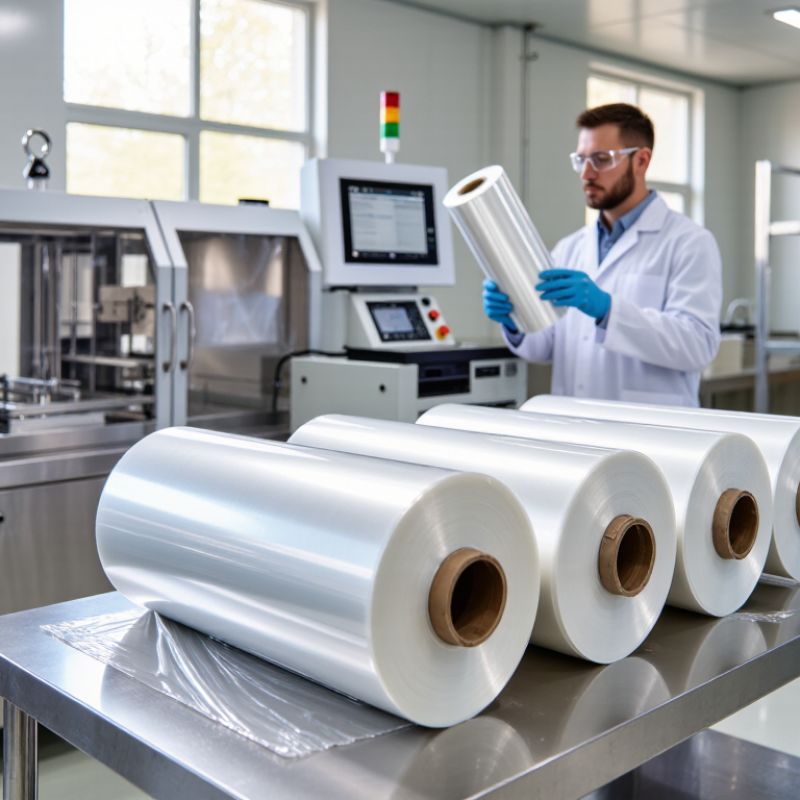
Polyester shrink film is a heat-responsive plastic film that tightens around an item when exposed to controlled heat. It is commonly used for full-body labels, sleeves, and protective packaging. The film can fit curved bottles and containers more closely than a flat label. It also provides a smooth surface for printed product information and graphics.
In practical use, a printed sleeve is placed over a container, then passed through a heat tunnel or treated with steam. The film contracts to match the package shape. Temperature, exposure time, and film thickness all affect the result. Too much heat can wrinkle the sleeve or distort a container; too little may leave loose edges. Small trials matter.
Polyester shrink films are valued for clarity, strength, and reliable shrink performance, though the exact properties vary by formulation. Buyers should check shrink direction, shrink ratio, thickness, print compatibility, and the packaging line’s operating conditions. A sample run on the actual container is more useful than relying on a specification sheet alone. That can be inconvenient, but it often catches fit problems early. Not every package needs a full sleeve, either; using more film than necessary can add cost and material waste.
Who Are the Best Polyester Shrink Film Suppliers in China? - What Is Polyester Shrink Film and How Is It Used?
| Topic |
Typical Information |
Why It Matters |
| Material |
Polyester shrink sleeves are commonly made from PETG, a glycol-modified polyester designed for shrink-label applications. |
Confirm the exact resin and film construction, since “polyester shrink film” can refer to different polyester-based materials. |
| How it works |
The film is printed, formed into a sleeve, placed over a container, and heated so it contracts around the package. |
The shrink process must suit the container shape and the customer’s steam or hot-air equipment. |
| Common uses |
Full-body and partial shrink sleeves for bottles, cans, jars, and other shaped containers; also used for tamper-evident bands when designed for that purpose. |
Ask the supplier to verify that the film and sleeve construction are suitable for the specific package and application. |
| Shrink performance |
Shrink percentage, shrink direction, and shrink curve vary by grade and thickness; there is no single specification that applies to every film. |
Request the technical data sheet and test samples on the intended container and production line. |
| Film thickness and width |
Available dimensions depend on the supplier’s equipment and product range. Required thickness and web width should be specified for the application. |
Check tolerances, roll length, winding direction, and core dimensions before placing an order. |
| Printing and finishing |
Sleeve film may be supplied printed or unprinted and may require a specified seam, surface treatment, or finish. |
Review print samples, color requirements, artwork controls, and seam quality as part of supplier qualification. |
| Supplier capability |
Relevant capabilities may include film sourcing or extrusion, printing, slitting, sleeve seaming, quality control, and export packaging. |
Verify which processes are performed in-house and which are subcontracted; capability varies by supplier. |
| Quality checks |
Useful checks include thickness and width measurement, visual inspection, print verification, seam inspection, and shrink testing under defined conditions. |
Ask for documented specifications, inspection records, and a clear process for handling nonconforming products. |
| Compliance and end use |
Requirements depend on the market and application. Food-contact use requires appropriate materials and documentation for the destination jurisdiction. |
State the intended use and sales market, then verify applicable declarations and test documentation directly with the supplier. |
| How to identify a suitable supplier |
Compare suppliers using verified product specifications, relevant production capabilities, sample performance, quality documentation, lead time, and communication. |
Request comparable quotations and run a sample or pilot trial before selecting a supplier; suitability depends on the package and production requirements. |
What Should Buyers Look for in a Polyester Shrink Film Supplier?
Choosing a polyester shrink film supplier takes more than comparing price lists.
Ask for technical data on thickness, shrink ratio, clarity, and seal strength. These figures should match your product shape and packaging line. A supplier should explain how the film behaves under your tunnel’s actual temperature and speed settings.
Good answers are specific. “It works for most products” is not enough.
Request samples before placing a large order. Test them on your own equipment, with your usual labels and cartons. Watch for wrinkles, weak seals, cloudy areas, and uneven shrinking. Ask about batch consistency and how production lots are checked. Reliable suppliers can describe their inspection process and provide recent test records.
Also confirm lead times, minimum order quantities, packaging, and how defects are handled. Details matter.
Communication matters, too. A responsive contact can help troubleshoot a film that splits at the seam or shrinks too tightly around corners. Ask how technical questions are escalated. Check references from buyers with similar packaging needs, not just general testimonials.
A low quote may hide costly setup changes or inconsistent rolls. I would still leave room for trial and error; no specification sheet can predict every machine condition. A supplier willing to review test results is often more useful than one promising perfection.
Which Polyester Shrink Film Suppliers Operate in China?
China’s polyester shrink film suppliers generally fall into three groups: integrated film manufacturers, specialized converters, and export-focused trading companies. Integrated factories control resin processing, extrusion, stretching, and quality testing under one roof. Converters usually buy base film, then add printing, slitting, or custom finishing. Trading companies may offer wider sourcing options, but production control can be less direct.
I have found that supplier location matters during qualification. Manufacturers in coastal industrial areas often provide stronger export support and faster access to packaging materials. However, location alone proves little. Ask for a recent factory audit, production photos, technical data sheets, and batch-level certificates. Check shrinkage at the intended temperature. Measure haze, tensile strength, thickness variation, and roll winding. Small details matter.
Request samples from at least three Chinese suppliers. Use the same sealing equipment for each trial. Compare label appearance after heating, not only the film before shrinking. Some suppliers provide excellent samples but struggle with repeat batches. That gap deserves attention. Confirm minimum order quantities, lead times, core sizes, packing methods, and inspection procedures in writing. Supplier directories can help, but their information may become outdated. A direct video audit or independent inspection is more reliable. My own early shortlist was too dependent on attractive pricing. That was a mistake. Consistent process evidence matters more than a low first quotation.
How Can Buyers Compare Chinese Suppliers and Verify Their Capabilities?
When comparing Chinese polyester shrink film suppliers, buyers should verify data, not polished catalogs. Smithers’ 2024 flexible packaging outlook values the global market at more than US$250 billion, with downgauging and material efficiency driving purchasing decisions. This makes thickness control important. Ask for recent test reports showing thickness tolerance, longitudinal and transverse shrinkage, tensile strength, haze, and seal performance. One sample roll is not enough.
Request the factory address, production-line photographs, monthly capacity, and a traceable batch number. A credible supplier should provide a certificate of analysis for each shipment and explain its testing equipment.
Check whether measurements follow recognized standards, such as ASTM or ISO methods. Independent pre-shipment testing is useful, especially when the film will run on high-speed packaging equipment. In practice, small differences in shrinkage can create wrinkles around corners.
Audit records matter, but they are not proof of daily consistency. Review quality procedures, complaint records, raw-material controls, and corrective-action reports. Ask for samples from three production batches, then test them under your actual temperature and machine settings.
The European Plastics Converters report has repeatedly highlighted energy efficiency and downgauging as key packaging priorities. Suppliers should therefore explain how thinner film maintains performance. Some suppliers may offer impressive capacity figures but weak documentation. That is a warning. I would also allow a controlled trial failure; it often reveals more than a successful demonstration.
What Questions Should Buyers Ask Before Choosing a Supplier?
When comparing polyester shrink film suppliers in China, ask how they match film performance to your packaging line. What shrink ratio can they provide in both machine and transverse directions? Which thicknesses, widths, and core sizes are available? Request a technical data sheet showing shrinkage conditions, tensile strength, and haze. Then test a sample on your own equipment. A film that looks clear on a desk may wrinkle around a curved bottle.
Ask how each batch is checked before shipment. Does the supplier measure thickness across the roll, inspect for gels, and record shrink performance? Request recent test results and a sample inspection report. Also ask how defects are handled, including replacement terms and the time needed to investigate a claim. Details matter. A polished brochure is not proof, and even a strong supplier can have an inconsistent batch.
Clarify practical matters: What is the minimum order quantity? How long does production take after artwork or specifications are approved? Can the supplier support repeat orders with stable specifications? Ask about packing methods, roll protection, and export documents relevant to your shipment. If answers stay vague, follow up with specific examples. Buyers sometimes focus too much on price; I would also compare sample results, communication speed, and the supplier’s willingness to explain limitations.
Use these questions to compare suppliers: confirm film specifications and test methods, request quality-control records and samples, check production capacity and lead times, review packaging options, and clarify pricing and shipping terms. Bar values show the number of suggested questions in each checklist area—not supplier ratings or market statistics.

 1Durch die gruppenweite Einführung und Harmonisierung unseres integrierten Managementsystems (IMS) werden alle bestehenden Unternehmens-, Qualitäts-, Umwelt- und Energiepolitiken durch diese Unternehmenspolitik ersetzt. Der Slogan „Textil hat Zukunft – auch in De