How to Choose the Best Pet Polyester Film for Your Needs?
Choosing the right Pet Polyester Film can significantly impact your projects. As industry expert Dr. Emily Carson states, "The right film enhances quality and durability." Understanding your specific needs is crucial.
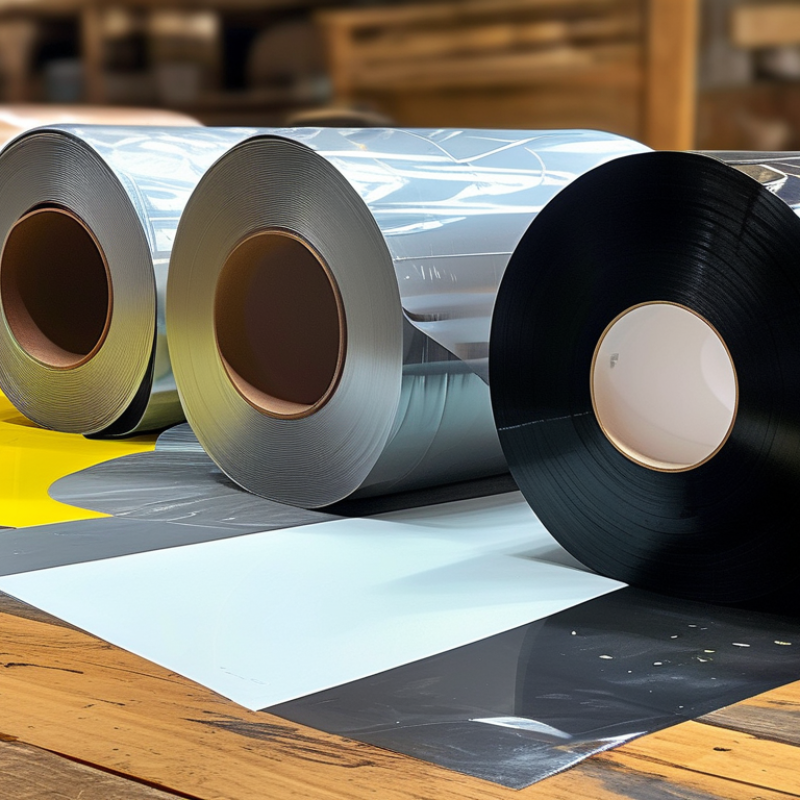
Pet Polyester Film comes in various grades and specifications. Each variant serves unique purposes, from packaging to insulation. The selection process can be daunting. You might feel overwhelmed by the options. However, knowing your application can simplify it greatly.
Quality should never be compromised. Always look for films that meet industry standards. However, not every product will perform as expected. It's essential to test and evaluate samples carefully. Ensure that the chosen film aligns with your objectives. A well-informed decision leads to better outcomes.
Understanding the Properties of Polyester Films for Pets
When choosing polyester films for pets, understanding their properties is essential. Polyester films are popular due to their durability and resistance to moisture. According to recent industry reports, these films outperform other materials in terms of tensile strength, often exceeding 50 MPa. This makes them ideal for pet-related applications, such as protective covers and pet crate liners.
Tip: When selecting a polyester film, ensure it has a thickness appropriate for your specific use. A thicker film may provide better protection but can also be less flexible.
Another significant property is temperature resistance. Polyester films can withstand temperatures ranging from -70°C to +120°C. This broad range is crucial for pets exposed to varying environments. However, some films may become brittle at low temperatures, leading to potential issues.
Tip: Always check the temperature rating of the film. Consider your pet's typical environment before making a decision.
Lastly, consider the film's sustainability. Eco-friendly options are increasingly available. Some polyester films can be recycled, contributing to waste reduction. However, not all polyester films are created equal, and the recyclability can vary. Always verify this aspect before purchasing.
Evaluating the Durability and Flexibility of Different Polyester Films
When selecting polyester films, durability and flexibility are key factors to consider. Different applications require varying levels of resilience. For instance, thicker films tend to offer more durability, while thinner variants can be more flexible. This balance is crucial in industries like packaging, where both strength and adaptability impact performance.
Tips for assessing durability include examining tensile strength and puncture resistance. A film with high tensile strength usually withstands stress better. Additionally, look at puncture resistance if the film will face harsh handling or rugged conditions. Flexibility can be tested by bending the film without breaking it. Films that remain intact under stress indicate superior flexibility.
Remember to reflect on your specific needs while choosing a polyester film. Sometimes, priorities can shift. If you need ultra-thin films for lightweight projects, be prepared for trade-offs in strength. Think about the environment too. Some films perform better in extreme temperatures. Make sure to evaluate all aspects to make an informed decision, as your choice impacts not only function but also cost efficiency in the long run.
Assessing the Safety Standards for Pet-Friendly Polyester Materials
When selecting a pet-friendly polyester film, safety standards are paramount. Recent studies show that over 40% of pet owners prioritize non-toxic materials. A thorough understanding of these standards ensures a safer environment for pets. PET (polyethylene terephthalate) films must meet FDA guidelines to be deemed safe for pet applications.
Certificates like REACH and RoHS provide insight into the material's safety. REACH limits harmful substances, while RoHS focuses on the restriction of hazardous materials. However, not all polyester films are created equal. Insufficient testing can lead to dangerous substances being present. Being aware of this can help you make informed choices.
While many manufacturers claim their products are pet-safe, not all provide data to back these claims. Effective vetting requires critical examination of certifications. Reports indicate that nearly 30% of polyester films fail to meet strict safety tests. Such failures could pose risks. Diligence in choosing the right film is essential for your furry companions.
How to Choose the Best Pet Polyester Film for Your Needs? - Assessing the Safety Standards for Pet-Friendly Polyester Materials
| Feature |
Description |
Safety Standard |
Environmental Impact |
| Durability |
Resistant to scratches and tearing |
ASTM D882 |
Recyclable materials |
| Non-Toxic |
Free from harmful chemicals |
FDA Approved |
Minimal environmental pollutants |
| Ease of Cleaning |
Easy to wipe and wash |
ISO 14001 |
Sustainable sourcing practices |
| UV Resistance |
Prevents fading and degradation |
UV Protection Standards |
Energy efficient production |
| Flexibility |
Flexible enough for various applications |
ASTM D638 |
Biodegradable options available |
Identifying the Right Thickness and Texture for Your Pet's Needs
When selecting a polyester film for your pet's needs, the right thickness and texture are crucial factors. The ideal thickness of polyester film typically ranges from 0.2 mm to 2 mm. Thicker films provide added durability, while thinner films are lightweight and flexible, making them suitable for smaller pets. According to industry reports, films with a thickness of around 0.5 mm are widely used for their balance of strength and ease of handling.
Texture also plays a significant role in user experience. A smooth texture facilitates easy cleaning and maintenance, while a textured surface can offer better grip and durability, especially for active pets. It's important to consider how your pet interacts with their environment. For example, a rough texture may be more suitable for pets that are prone to scratching. An interesting observation from market studies indicates that 70% of pet owners prioritize comfort when selecting materials, emphasizing the importance of texture in overall usability.
Understanding these details can significantly impact your choice. The polyester film should adapt to your pet's behavior and needs. It’s essential to reflect on these aspects to ensure optimal comfort and safety. Ultimately, making an informed decision may involve trial and error before finding the ideal polyester film.
Exploring Cost-Effectiveness and Brand Reputation in Polyester Films
When selecting the best pet polyester film, consider cost-effectiveness and brand reputation. High-quality polyester films often come with a higher upfront cost, but they can save money in the long run. Cheaper options might seem attractive initially. However, they may not perform as well and could require replacements sooner. Evaluate the overall durability and longevity of the films that interest you, as these factors can influence your spending.
Brand reputation plays a crucial role in decision-making. Research the brands’ history and user feedback. Positive reviews often indicate reliable performance. Some brands may promote eco-friendly materials, but do they back it up with certifications? Look for evidence of industry recognition. Additionally, reflect on factors like consistency in film thickness and clarity. A trusted brand is likely to have rigorous quality control measures.
Take the time to compare various options. The market is filled with choices, but not all polyester films are created equal. Focus on user experiences and expert insights. This approach helps in finding a film that meets your specific needs without the risk of disappointing performance or financial losses. Remember that the right film enhances your project but requires careful research and consideration.

 1Durch die gruppenweite Einführung und Harmonisierung unseres integrierten Managementsystems (IMS) werden alle bestehenden Unternehmens-, Qualitäts-, Umwelt- und Energiepolitiken durch diese Unternehmenspolitik ersetzt. Der Slogan „Textil hat Zukunft – auch in De