How to Choose the Right PETG Sheet for Your Project?
Choosing a PETG sheet is less about picking the clearest panel and more about matching its properties to the job. A display cover, machine guard, and formed enclosure face different demands. Thickness, impact resistance, forming method, surface finish, and chemical exposure all matter. Small details matter. A panel that looks right in a showroom may flex, scratch, or distort under real use.
The wider plastics industry makes material selection consequential. PlasticsEurope’s Plastics – the Facts 2024 report estimates global plastics production at 413.8 million tonnes in 2023. That figure covers plastics broadly, not PETG alone; it provides context, not proof that one sheet suits every project. Materials scientist Dr. Chris DeArmitt offers a useful selection principle: “There is no such thing as a good or bad material, only good or bad applications.” Apply that thinking before comparing supplier claims.
Start with the finished part. Will it stay flat, or will it be heated and formed over a mould? Will people handle it daily? Could cleaners, outdoor exposure, or sharp edges affect its surface? Ask suppliers for the grade’s technical data sheet, recommended forming conditions, and thickness tolerances. Compare samples under the lighting and conditions your project will actually face. Clarity is not enough. PETG grades can differ, and a rushed choice can mean wasted material or a poor fit. This guide explains how to weigh those factors, verify specifications, and choose a PETG sheet with evidence rather than appearance alone.

Understand the Properties and Common Uses of PETG Sheets
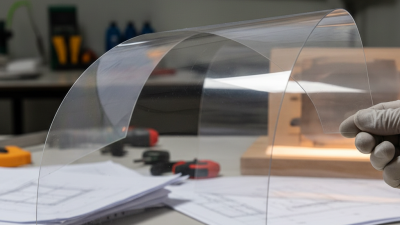
PETG sheets combine clear visibility with useful impact resistance, making them a practical choice for display covers, machine guards, signs, and formed enclosures. They are lighter than glass and can be cut or thermoformed with suitable equipment. That matters when a project needs curved panels or frequent handling. PETG can still scratch, though, and its performance near heat depends on the sheet grade, thickness, and design. Check the supplier’s technical data before choosing it for a warm or load-bearing application.
Tips: Compare thickness, clarity, and forming requirements before buying. Test a small offcut with your cutting method; edges may need finishing. Also confirm that the sheet suits any cleaners it will contact. Compatibility varies. A clear sheet is not automatically the right sheet.
For a shop display, thin PETG may be easy to shape, but it can flex across a wide span. A thicker panel may feel sturdier, yet weigh more and require different forming settings. For a protective guard, consider impact exposure, mounting points, and visibility together. These details are easy to overlook. PETG is versatile, but it is not scratch-proof, heat-proof, or suitable for every chemical environment. A small prototype can reveal problems that a specification sheet cannot.
Define Your Project’s Performance and Environmental Requirements
Before choosing a PETG sheet, describe what it must do in the finished project. Record the expected load, impact risk, viewing needs, and cleaning routine. A clear cover for a tabletop display has different demands from a panel near moving equipment. Be specific. “Used outdoors” is not enough; note direct sun, rain exposure, and seasonal temperature changes. These details help narrow down sheet thickness and finish without relying on guesswork.
Environmental conditions can change how a sheet performs. Check the supplier’s technical data for temperature limits, chemical compatibility, and any stated UV resistance. Then compare those figures with the actual setting, not an idealized one. A cleaner used every week may matter more than a rare spill. I have found it easy to overlook that. Also consider fabrication: tight bends, drilled holes, and unsupported spans can affect the finished part. Ask for test conditions when a performance claim seems broad, and confirm that the listed values apply to the sheet thickness you plan to use. A small sample can reveal glare, scratching, or fit issues before you order more material. It is not a perfect test, but it can expose assumptions early.
How to Choose the Right PETG Sheet for Your Project?
Define Your Project’s Performance and Environmental Requirements
This screening chart compares the lower ends of typical PETG property ranges with example project targets. A result below 100% means the typical lower-end value does not meet that target. Actual properties vary by sheet grade, thickness, and test method; confirm the product datasheet. For outdoor exposure, chemical contact, or sustained heat, verify suitability for the specific environment before selecting a sheet.
Choose the Appropriate Sheet Thickness, Size, and Format
Choosing PETG thickness starts with the forces the sheet must handle. A thin sheet can suit a lightweight display cover or sign, where easy cutting matters more than rigidity. For a guard or freestanding panel, thicker material usually flexes less. Check the manufacturer’s data for impact strength and forming limits; thickness alone does not predict performance. It is easy to underestimate how much a wide panel can bow.
Measure the finished part, then add room for trimming, holes, and any bent edges. A sheet that fits the workbench may not fit through the doorway or into a vehicle. Sketch the cutting layout before ordering, especially when several parts must come from one sheet. Waste adds up quickly. Leave a little margin, but not an arbitrary one.
Choose a standard sheet size when it suits your layout and handling space. Cut-to-size sheets can reduce offcuts, though they may limit later changes. For curved parts, confirm the sheet’s forming method and minimum bend radius with the supplier. Protective film helps prevent scratches during cutting and transport, but remove it as directed before heat forming. PETG film and rigid PETG sheet are not interchangeable; check the product format carefully. A small sample can reveal more than a neat-looking specification sheet.
How to Choose the Right PETG Sheet for Your Project: Thickness, Size, and Format
| Nominal Thickness |
Typical Sheet Formats |
Common Project Uses |
Selection Guidance |
0.5–1 mm
(0.020–0.039 in) |
Small sheets and rolls; availability depends on supplier |
Lightweight covers, craft projects, thin guards, and formed components |
Choose for low-load applications where flexibility and easy cutting matter. Provide support if the panel must remain flat. |
1.5–2 mm
(0.059–0.079 in) |
Small to medium sheets; larger panels may be available |
Display inserts, lightweight signage, protective covers, and indoor dividers |
A practical option for light-duty panels. Check the support spacing and expected impact before selecting a large unsupported span. |
3 mm
(0.118 in) |
Commonly available in cut sizes and larger panels, including nominal 1220 × 2440 mm (4 × 8 ft) |
Retail displays, machine guards, signs, and general-purpose protective panels |
A versatile starting point for many indoor projects. Confirm whether the finished panel needs edge support or a frame. |
4–5 mm
(0.157–0.197 in) |
Medium and large sheets; nominal 1220 × 2440 mm (4 × 8 ft) is a common format |
Sturdier enclosures, partitions, display cases, and frequently handled panels |
Consider this range when a 3 mm panel feels too flexible. Actual stiffness depends on panel dimensions, mounting, and load. |
6 mm
(0.236 in) |
Medium and large sheets; larger formats vary by supplier |
More rigid guards, equipment covers, partitions, and fabricated components |
Useful when greater rigidity is needed, but compare the added weight and forming requirements with the project’s support design. |
8–10 mm
(0.315–0.394 in) |
Typically supplied as rigid sheets; available dimensions vary by region and supplier |
Heavy-duty panels, robust enclosures, and thicker fabricated parts |
Check machining, bending, fastening, and edge-finishing requirements. Use suitable support for the panel’s size and service loads. |
12 mm
(0.472 in) |
Rigid sheet formats; confirm stock dimensions before designing parts |
Thick structural-style covers, solid fabricated components, and applications needing substantial panel rigidity |
Specify only after reviewing the full load, span, and mounting conditions. PETG sheet should not be assumed to replace engineered structural glazing. |
Format note: Nominal 1220 × 2440 mm (4 × 8 ft) is a common sheet size, but available dimensions, thicknesses, tolerances, and finishes vary by supplier. Confirm stock size and allow for cutting waste before ordering.
Compare PETG Grades, Colors, and Surface Finishes
PETG grades differ in impact performance, clarity, and suitability for forming. A general-purpose grade often works for guards, signs, and display panels. Impact-modified sheets may suit parts exposed to repeated knocks, while UV-stabilized grades can help outdoor projects resist weathering. Check the supplier’s technical data for thickness, forming limits, and intended use. Similar-looking sheets can behave differently under heat.
Color changes everything. Clear PETG keeps products visible and lets light pass through, making it useful for display covers. Tinted or opaque sheets add privacy and can soften glare, but they also change how objects appear behind the panel. Dark colors may absorb more heat in sunlight. Small details matter. Compare samples under the lighting where the finished part will sit; indoor shop lighting can be misleading.
Surface finish affects both appearance and upkeep. Glossy sheets look bright, yet fingerprints and fine scratches can stand out. Matte finishes diffuse reflections and may hide minor marks, though they can slightly reduce visual sharpness. Textured surfaces can improve grip or disguise handling marks. I would not choose by appearance alone. Test a small offcut with your planned cleaner, cutting method, and forming process before ordering full sheets. That extra check may reveal an inconvenient mismatch early.
Check Fabrication Methods, Compatibility, and Quality Standards
PETG sheet choice depends on how the part will be made. For a simple display cover, a saw or CNC router can produce clean edges with controlled feed rates and a sharp tool. Laser cutting may leave a melted edge, depending on the equipment and sheet thickness. Test a small offcut before committing to a full panel. Heat forming needs even heating; cold spots can create cloudy bends or visible stress.
Check compatibility before bonding or cleaning the sheet. Some solvents can cause crazing, especially around drilled holes or tightly bent areas. Use a cleaner and adhesive confirmed as suitable for PETG, then test them on a scrap piece. Not every clear adhesive stays clear. For mechanical fastening, allow room for thermal expansion and avoid overtightening screws. A neat edge can still hide stress.
Quality needs more than a clear-looking surface. Check thickness, flatness, protective film, and stated tolerances against the drawing. If optical clarity matters, request haze or light-transmission data; ASTM D1003 is one relevant test method. For outdoor use, confirm that the sheet is specified for UV exposure rather than assuming all PETG performs alike. I used to focus on appearance first. That was not enough. Supplier documentation and a small fabrication trial often reveal problems before they reach the finished part.

 1Durch die gruppenweite Einführung und Harmonisierung unseres integrierten Managementsystems (IMS) werden alle bestehenden Unternehmens-, Qualitäts-, Umwelt- und Energiepolitiken durch diese Unternehmenspolitik ersetzt. Der Slogan „Textil hat Zukunft – auch in De