Top Tips for Choosing PETG Sheet for Your Projects?
In recent years, the popularity of PETG sheets has surged among designers and engineers alike. A report by Smith Material Research indicates that the global PETG sheet market is expected to grow by over 5% annually from 2023 to 2028. This reflects the growing demand for versatile materials that cater to various applications, including packaging and prototype development.
Industry expert Dr. Alan Carter, a leading authority in polymer technologies, states, “Choosing the right PETG sheet is critical for the success of your project.” His insights emphasize that not all PETG sheets are created equal. Factors such as thickness, clarity, and manufacturing process are vital in ensuring that the chosen sheet meets the specific needs of a project.
While PETG sheets offer an array of benefits, including excellent impact resistance and easy fabrication, some challenges remain. Users often overlook compatibility with adhesives or environmental factors that might affect durability. Therefore, careful consideration is needed to ensure that the PETG sheet selected truly aligns with the project's requirements and environmental conditions.
Understanding the Properties of PETG Sheet for Various Applications
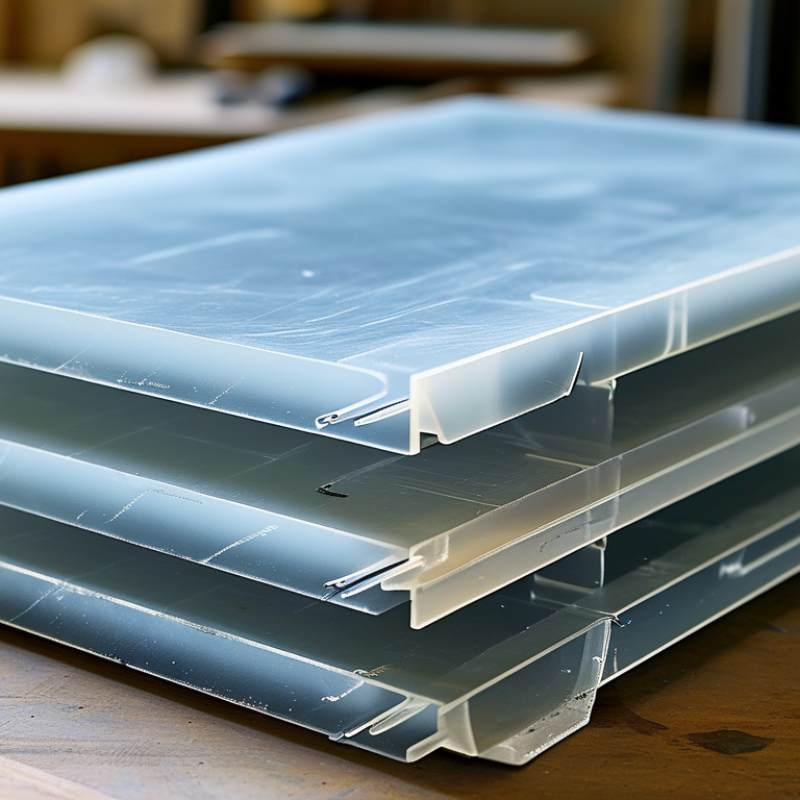
PETG sheet is gaining popularity across various applications due to its unique properties. It is a copolyester, combining the best features of glycol-modified PET. This material offers excellent clarity and a good balance of strength and flexibility. It is more impact-resistant than acrylic and retains its integrity under stress.
When considering PETG for a project, several factors come into play. One important aspect is temperature resistance. While PETG can withstand moderate heat, its performance can drop significantly at higher temperatures. Another factor is chemical resistance; PETG may not hold up well against certain solvents. This could be a crucial consideration depending on your application.
Practical applications range from packaging to displays and beyond. The ability to fabricate PETG sheets using different techniques offers versatility. However, processing can present challenges. Warping and distortion can occur if not handled properly. Thorough testing and planning are essential to maximize its benefits and minimize these risks. Evaluating every aspect of PETG will ensure optimal outcomes for your projects.
Evaluating Thickness and Size Options for Your PETG Sheet Needs
Choosing the right PETG sheet for your projects involves evaluating various factors, especially thickness and size. Thickness significantly impacts durability and flexibility. For example, 1.5 mm sheets are great for lightweight applications, while thicker options, like 3 mm, offer added strength. Think about the usage of your project—will it withstand wear and tear?
Size is another key consideration. From large panels to small custom cuts, understanding your project's dimensions ensures you get the necessary coverage. Measure twice. A single wrong cut can waste material and increase costs.
Here are a few tips: Always consider the application. For LED displays, opt for clear sheets with low haze. If you need impact resistance, choose thicker options. Experimenting with different sizes can lead to unique solutions too. While larger sheets may seem tempting, balance your need against storage and handling issues. Be mindful of these details for a successful project outcome.
Top Tips for Choosing PETG Sheet for Your Projects
| Thickness (mm) |
Size (mm) |
Weight (kg/m²) |
Applications |
| 1.5 |
1220 x 2440 |
1.5 |
Signage, Display |
| 2.0 |
1000 x 2000 |
2.0 |
Protective Covers, Machinery Guards |
| 3.0 |
2000 x 3000 |
3.0 |
Industrial Applications, Protective Shields |
| 4.0 |
1220 x 2440 |
4.0 |
Construction, HVAC Systems |
| 5.0 |
1500 x 3000 |
5.0 |
Custom Fabrication, Engineering |
Identifying the Right PETG Finish for Enhanced Aesthetics and Durability
When selecting PETG sheets for your projects, finish plays a crucial role. The finish can enhance both aesthetics and durability. A glossy finish may catch the eye, reflecting light and creating an appealing look. However, fingerprints and scratches can appear prominently on glossy surfaces. A matte finish, on the other hand, offers a softer appearance. It might hide marks better, but it can also lack the same vibrancy.
Different finishes also affect durability. A textured finish can provide additional grip, making the sheet feel more robust. Yet, some textures may collect dust and grime more readily, leading to maintenance issues. It's essential to consider these factors carefully. Balancing visual appeal with practical use creates a better outcome for your projects.
Don't overlook how the finish interacts with the project environment. If your project will be exposed to UV light, a UV-resistant finish is critical. Neglecting this can result in fading and damage over time. Careful thought about finish choices can elevate the overall success of your work.
Assessing Cost and Availability of PETG Sheets in Your Region
When selecting PETG sheets for your project, cost and availability are crucial factors. Prices can vary significantly based on location and supplier. It’s essential to compare multiple sources to find the best deal. Bulk purchasing often leads to discounts, so consider buying larger quantities if your project requirements allow it. Don’t forget to account for shipping costs, as they can impact the overall price.
Availability is another key consideration. Some regions may have limited suppliers for PETG sheets. This can lead to delays in obtaining materials, especially for time-sensitive projects. Research local suppliers and assess their stock levels. It's also wise to inquire about the lead times on orders, as this can affect your project timeline. If you face difficulties sourcing what you need, exploring online options might help.
While PETG sheets offer many benefits, such as flexibility and durability, it's vital to reflect on your choices. Consider whether you truly need this specific material for your project. Investigating other alternatives could lead you to cost-effective solutions. Always be open to adapting your plans based on what is readily available.
Cost and Availability of PETG Sheets in Different Regions
Environmental Considerations and Sustainability of PETG Materials
When considering PETG sheets for your projects, environmental factors are crucial.
PETG, or polyethylene terephthalate glycol, is known for its recyclability. Unlike some plastics, PETG can be melted down and repurposed.
This makes it a more sustainable option for those who are eco-conscious. However, not all PETG products are created equal. Some may contain additives that affect their recyclability.
Always check the specifications.
Sourcing PETG from reliable suppliers enhances sustainability.
Prioritize manufacturers who focus on eco-friendly practices. Look for certifications that indicate lower environmental impact.
You might reflect on the source and lifecycle of these materials. Transparency in production can be hard to find, raising questions about true sustainability.
Another aspect is the end-of-life for PETG sheets. While they can be recycled, not all facilities accept them.
Local recycling capabilities play a significant role. It's imperative to engage with your community on recycling options.
The journey does not end at disposal. Exploring closed-loop systems might uncover further benefits.
Consider this as you plan your projects.

 1Durch die gruppenweite Einführung und Harmonisierung unseres integrierten Managementsystems (IMS) werden alle bestehenden Unternehmens-, Qualitäts-, Umwelt- und Energiepolitiken durch diese Unternehmenspolitik ersetzt. Der Slogan „Textil hat Zukunft – auch in De