Inquiry
Form loading...

What Is Plastic Tint Film and How Does It Work?

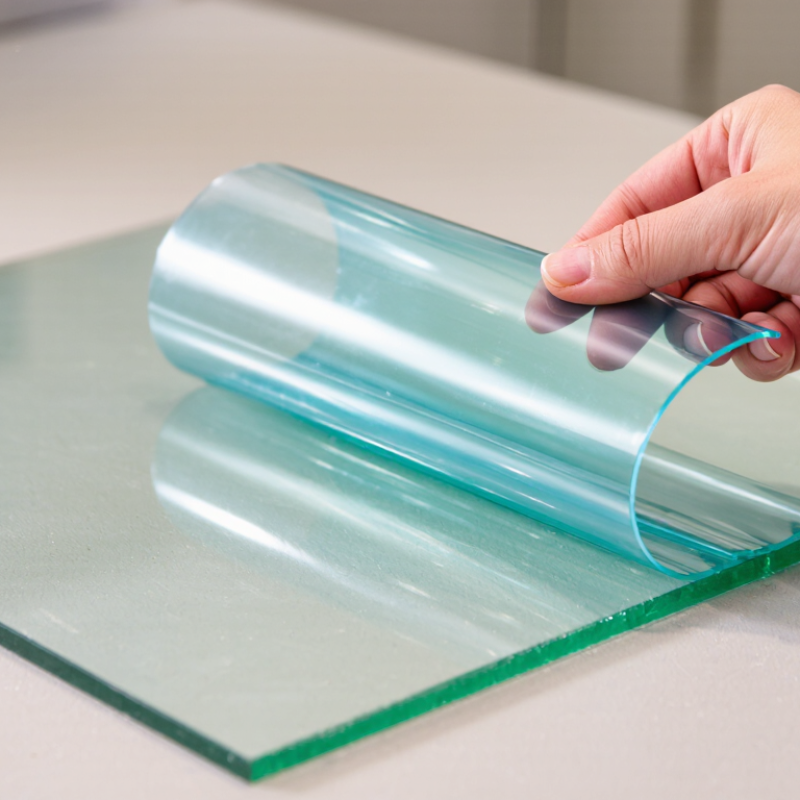
Plastic Tint Film is a thin polymer layer designed to control light, heat, glare, and privacy on transparent surfaces. Most products use polyethylene terephthalate, or PET, because it offers flexibility, optical clarity, and dimensional stability. Some advanced films include ceramic particles or reflective layers. These materials absorb or reject selected solar energy before it enters a vehicle or building.

The mechanism is simple, but not basic. Visible light transmission controls brightness. Infrared rejection reduces heat near the glass. Ultraviolet filtering helps limit fading and material degradation. Adhesive chemistry keeps the film attached across changing temperatures. On acrylic or polycarbonate surfaces, compatibility matters greatly. A suitable film can perform well. A poorly matched adhesive may create bubbles, distortion, or edge lifting.

That detail matters.

Grand View Research’s Window Film Market Size, Share and Trends Analysis Report, 2024–2030, identifies rising demand for solar-control and energy-saving films. MarketsandMarkets also links automotive film growth with heat reduction, comfort, and vehicle protection. These reports show commercial momentum, but market growth does not guarantee product quality.

Darrell Ambroziak, an International Window Film Association technical educator, offers a useful industry perspective: “The film is only one part of the performance equation.” Installation, glass type, climate, and maintenance also influence results. The term Plastic Tint Film is sometimes used loosely, which can confuse buyers. A careful evaluation should check visible light transmission, infrared rejection, UV protection, warranty terms, and substrate compatibility. Real performance is less dramatic than advertising claims. It is measurable, but never perfectly universal.

What Is Plastic Tint Film and How Does It Work?

What Is Plastic Tint Film?

Plastic tint film is a thin, adhesive-backed layer designed for glass or clear plastic surfaces. It commonly uses polyester or another durable polymer. Some films contain dyed layers, while others use microscopic metal or ceramic particles.

The film changes how light passes through a window. It absorbs, reflects, or filters selected wavelengths. Darker shades reduce visible brightness. Heat-control films can reduce some infrared energy. Clear ultraviolet-blocking films may look almost unchanged. Performance depends on the film, glass, sunlight, and installation quality.

A typical product includes a protective liner, adhesive layer, tint layer, and scratch-resistant coating. During installation, a technician cleans the surface, applies a slip solution, and removes trapped water with a squeegee. Edges need careful trimming. Small bubbles may fade as moisture escapes, but dust particles usually remain visible.

In practice, plastic tint film can improve comfort near sunny windows and reduce glare on screens. It may also help slow upholstery fading. It does not make glass unbreakable. Nor does a darker shade always provide better heat control. That assumption deserves reconsideration. A film can look impressive yet perform poorly on the wrong surface. Professional measurements and technical data provide more reliable guidance. Local visibility and light-transmission requirements should be checked before installation.

What Is Plastic Tint Film and How Does It Work?

Data Dimension Typical Information How It Works or Why It Matters
Basic Definition A thin, adhesive plastic sheet applied to glass or other smooth transparent surfaces. It changes the amount and type of light, solar energy, and visibility passing through the surface.
Common Base Material Polyester, usually polyethylene terephthalate (PET). PET provides flexibility, optical clarity, dimensional stability, and resistance to tearing during installation.
Main Film Layers Release liner, pressure-sensitive adhesive, plastic film, colorant or reflective layer, and protective hard coat. Each layer supports installation, appearance, solar control, surface protection, or long-term durability.
Visible Light Transmission (VLT) Common products range from very light shades above 70% VLT to dark shades below 20% VLT. A higher VLT allows more visible light through; a lower VLT creates a darker appearance and greater glare reduction.
Solar Heat Control Solar-control films can reject a portion of incoming solar energy, with performance varying by construction and shade. Dyed, metallized, ceramic, and multilayer films manage heat through absorption, reflection, or selective infrared control.
Ultraviolet (UV) Filtering Many architectural and automotive films are designed to block most ultraviolet radiation. UV filtering can help reduce fading of fabrics, flooring, furnishings, and interior materials while lowering UV exposure through the glass.
Glare Reduction Tint film reduces excessive brightness from direct sunlight and reflective surroundings. Less glare can improve visual comfort for occupants, drivers, and people using screens near windows.
Privacy Effect Dark, reflective, or frosted films can reduce outward or inward visibility, depending on lighting conditions. Privacy is usually stronger when the brighter side is outside the glass; it may reverse at night when interior lights are on.
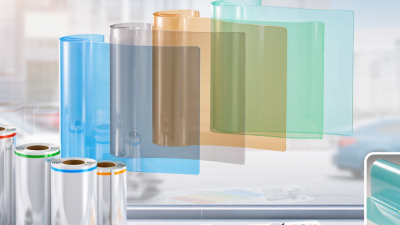
Film Appearance Available appearances include dyed, neutral gray, reflective, metallic, ceramic-look, clear, and frosted finishes. The appearance depends on pigments, metal particles, ceramic materials, surface patterns, and the amount of light transmitted.
Typical Thickness Common solar-control films are often measured in mils or micrometers, with thickness selected for the intended application. Thicker safety-oriented films may provide additional tear resistance, but thickness alone does not determine overall performance.
Installation Method The glass is cleaned, the film is cut, a water-based installation solution is used, and the film is squeegeed onto the surface. The solution allows positioning and helps remove air and excess moisture before the adhesive bonds firmly.
Curing Period The adhesive may require several days or longer to fully cure, depending on film type, temperature, humidity, and sunlight. Temporary haze, small water pockets, or a slightly cloudy appearance can diminish as moisture leaves the adhesive layer.
Typical Applications Residential windows, commercial buildings, vehicles, offices, storefronts, partitions, and decorative glass. The selected film should match the glass type, exposure, desired appearance, and required heat, glare, or privacy performance.
Cleaning Requirements Use a soft cloth or sponge and a mild, non-abrasive cleaning solution. Abrasive pads, sharp tools, and harsh chemicals may scratch or damage the protective surface.
Important Selection Factor Glass compatibility, local regulations, climate, orientation, desired VLT, and installation quality should all be considered. A film suitable for one window or vehicle may not be appropriate for another because solar exposure and glass construction can differ.

What Materials and Layers Make Up Plastic Tint Film?

Plastic tint film is a layered polymer sheet designed to control light passing through glass. This material provides strength, flexibility, and dimensional stability. It is thin, but not fragile.

The visible tint may come from dyes, pigments, metallic particles, or ceramic-based compounds. Dyed layers absorb light and create a darker appearance. Metallic layers can reflect some solar energy, while ceramic particles can reduce infrared transmission without making the film highly reflective. A pressure-sensitive adhesive bonds the film to clean glass. Its performance depends heavily on even application. Small dust particles can create visible specks or bubbles.

A hard coat often protects the outer surface from scratches during cleaning. Some films also include an ultraviolet-control layer, which helps reduce fading inside a vehicle or building. The removable liner protects the adhesive before installation. It is discarded afterward. During inspection, checking each layer is useful because a film can look attractive while performing poorly. A dark shade does not automatically mean better heat control. I once underestimated how much glass type affects the final result. The same film may appear different on clear, laminated, or factory-tinted glass. Proper preparation, measured installation, and realistic performance testing remain essential.

How Does Plastic Tint Film Control Light and Heat?

Plastic tint film is a thin polyester layer applied to glass. It changes how sunlight enters a room, vehicle, or office. The film contains dyes, metals, or ceramic particles that absorb or reflect selected wavelengths. Visible light becomes softer, while ultraviolet radiation can be greatly reduced. Some films also limit infrared energy, which is strongly linked to interior heat.

When sunlight reaches the glass, part of its energy returns outdoors, and another part is absorbed by the film. The glass may become warmer, but less solar energy reaches nearby seats, desks, or floors. A lighter film can reduce glare without making a room feel dark. A darker shade may provide stronger glare control, but darkness does not always mean better heat rejection. Film performance depends on its material, window type, installation quality, and local sunlight.

Tips: Clean the glass carefully before installation. Dust can create small bubbles and uneven edges. Check the film’s technical data, especially visible light transmission and solar energy rejection. Do not judge performance by appearance alone. A professional installer can also identify glass that may experience excessive thermal stress. Even then, the result may not be perfect. Reflections, mild color changes, or small installation marks can remain. I have found that testing one window first is often wiser than covering every pane immediately.

How Is Plastic Tint Film Applied to a Surface?

Plastic tint film is a thin polyester layer with dyes, pigments, or infrared-control coatings. It is applied to glass, acrylic, or other smooth plastic surfaces. The film filters visible light and reduces solar heat entering through the surface. The U.S. Department of Energy reports that windows can represent 25–30% of residential heating and cooling energy use, making surface treatment relevant in warm climates.

Application begins with inspection and accurate measurement. Installers clean the surface with a non-abrasive solution, removing dust, grease, and tiny fibers. Even one grain can create a visible bubble. The film is then cut slightly larger than the glass and positioned with a water-based mounting solution. A professional squeegee pushes water and air toward the edges. Pressure matters.

The installer trims the film with a sharp blade, leaving a narrow clearance near seals and frames. This prevents lifting during drying. Industry guidance from the International Window Film Association emphasizes clean preparation, compatible materials, and controlled curing conditions. The film may look cloudy for several days while moisture escapes. That part is often misunderstood. For energy performance, the National Fenestration Rating Council identifies solar heat gain coefficient as a key measure; lower values indicate less solar heat passing through glazing. However, published ratings may not predict every building result. Glass type, orientation, climate, and installation quality still change the outcome. DIY application can work on small panels, but uneven pressure is an easy mistake.

What Is Plastic Tint Film and How Is It Applied?

Plastic tint film is a thin polymer layer that reduces visible light transmission and can help limit glare and solar heat. Application typically uses a cleaned surface, a water-based slip solution, a squeegee, and careful edge trimming.

Typical application workflow: Surface preparation and cutting are followed by wet placement, squeegee work, trimming, and an initial setting period. The times shown are representative estimates; actual results vary with film thickness, surface size, temperature, humidity, and installer technique.

What Are the Benefits, Limits, and Common Uses of Plastic Tint Film?

Plastic tint film is a thin polymer sheet applied to glass. It contains dyes, pigments, or reflective particles that reduce selected wavelengths of light. Darker films usually lower glare and visible brightness. Some products also reduce ultraviolet exposure and solar heat. In practice, results depend on the glass, film quality, and installation. A sample panel tells more than a label.

Its main benefit is comfort. A tinted window can make a sunny office feel less harsh, especially near monitors or south-facing glass. It may protect fabrics, paper, and interior surfaces from fading. In vehicles, it can improve privacy and reduce eye strain. The film is also lighter and less disruptive than replacing glass. However, tint is not a complete heat barrier. Clear glass still conducts heat, and dark film can warm the pane. Poor installation may leave bubbles, dust, or peeling edges.

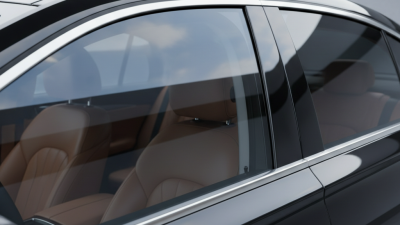
Common uses include apartment windows, storefronts, conservatories, office partitions, and vehicle side windows. Choose film by visible-light transmission, heat rejection, glare control, and glass compatibility. Professional measurement matters. Some glass types can crack when heat absorption becomes uneven. Interior films may fail outdoors because moisture and weather attack the adhesive. Maintenance is simple: use a soft cloth and mild cleaner, not abrasive tools. I would not judge performance by darkness alone. A lighter film can control heat well, while a very dark film may reduce visibility at night. Check local installation rules before work begins.