What Is the Best China Embossed Film Supplier?
Choosing the best China Embossed Film supplier requires more than comparing prices or viewing attractive product photos. Embossed Film can differ greatly in thickness, pattern depth, surface finish, tensile strength, and printing performance. These details affect packaging appearance, sealing reliability, and production efficiency. A dependable supplier should explain material options clearly and provide practical samples for testing.
Experience matters when a supplier handles real manufacturing challenges. Ask about extrusion equipment, embossing methods, quality inspection, and batch consistency. A professional factory should offer technical data, sample rolls, and traceable production records. Certifications can support credibility, but they should not replace direct verification. Review test reports carefully. Check whether the information matches the actual film supplied.
No supplier is perfect.
Small differences may appear between sample and mass production. This is why experienced buyers confirm tolerances before signing an order. Discuss film width, roll length, core size, packaging, delivery schedules, and acceptable defect levels. Clear communication often prevents expensive misunderstandings. A reliable supplier should answer questions with specific evidence, not vague promises.
The strongest candidate combines stable quality, responsive service, flexible customization, and reasonable long-term value. However, the lowest quotation may hide limitations in raw materials or inspection procedures. Factory visits, independent testing, and pilot orders can reveal more than marketing claims. This guide examines the practical factors behind supplier selection. It helps buyers judge whether a China Embossed Film manufacturer can meet technical, commercial, and quality expectations with confidence.
What Is Embossed Film and How Is It Used?
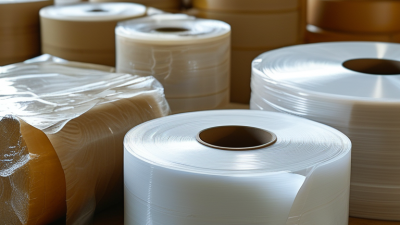
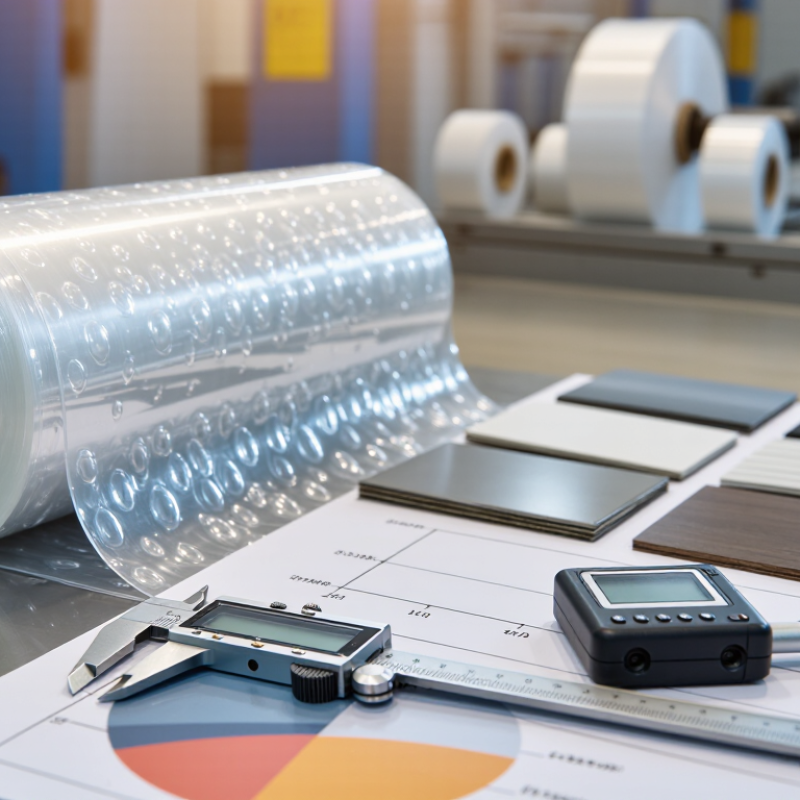
Embossed film is a polymer film with a patterned surface created by a heated embossing roll. The pattern can resemble leather, linen, wood grain, or fine geometric lines. It changes appearance, grip, light reflection, and surface friction without changing the film’s basic polymer structure. Common materials include PE, PP, PET, and PVC, depending on the required strength and application.
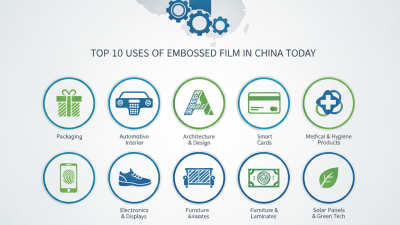
Its uses are practical and visual. Packaging converters use embossed film for pouches, labels, laminates, and decorative wrapping. Hygiene products may use micro-textured film for softness and controlled air movement. It also appears in release liners, protective films, flooring layers, and anti-slip surfaces. Grand View Research valued the global flexible packaging market at about USD 201 billion in 2023, with continued growth expected through 2030. Smithers also identifies surface appearance and functional barrier performance as important packaging development factors. These figures cover broader film markets, not embossed film alone.
A reliable China embossed film supplier should provide roll samples, embossing depth, thickness tolerance, haze, tensile strength, seal strength, and coefficient of friction data. Ask for batch traceability and production inspection records. A textured surface can hide defects, so visual checks alone are insufficient. Gloss may look premium. Yet it can reduce readability under strong light. I would not treat a market forecast as a buying guarantee. Trial production remains essential, especially when the film must run smoothly through printing, laminating, or high-speed filling equipment.
Which Qualities Define the Best China Embossed Film Supplier?
The best China embossed film supplier is defined by consistent quality, not attractive photos or low quotations. Experienced buyers should inspect embossing depth, surface clarity, film thickness, tensile strength, and sealing performance. A reliable supplier provides production samples from different batches. This reveals whether the pattern remains sharp after storage, transport, and processing. Ask for test reports, material specifications, and clear quality tolerances. Vague answers deserve caution.
Professional suppliers control temperature, pressure, and roller alignment during production. These details affect gloss, texture, and film stability. Strong suppliers also maintain traceable records for raw materials, inspections, and shipment dates. Communication matters too. A capable technical team should explain defects with measurable data, not excuses. Still, one perfect sample proves little. A trial order can expose uneven embossing, edge curling, or delayed responses. That is an uncomfortable but useful reality.
Tips: Request samples with your actual machine settings. Measure thickness at several points, including the edges. Check odor, clarity, adhesion, and pattern depth after processing. Confirm packaging protection before shipment. Do not judge quality from price alone. A cheaper roll may create more waste, rework, and production downtime. Also, leave room for improvement. Even a dependable supplier may need clearer specifications, faster feedback, or stricter batch controls.
How to Compare Chinese Embossed Film Manufacturers
Comparing Chinese embossed film manufacturers requires more than checking price per kilogram. Grand View Research valued the global flexible packaging market at about USD 268.8 billion in 2023. This scale increases buyer pressure on consistency, traceability, and material efficiency. Ask each supplier for embossing depth tolerance, film thickness variation, tensile strength, haze, and coefficient of friction. These figures should come from recent batch records, not only a polished sample. A sample can look excellent. Production may disagree.
Inspect the factory’s process controls. Confirm resin traceability, corona treatment records, temperature monitoring, and roll inspection methods. Request defect-rate data from at least three recent production lots. Check whether the supplier measures oxygen and water-vapor transmission when the film serves a barrier function. Plastics Europe reported global plastics production of 413.8 million tonnes in 2023. That figure highlights why waste reduction and responsible material selection deserve serious attention. Ask about downgauging trials, recyclable structures, and documented scrap handling.
Commercial checks matter too. Compare minimum order quantities, lead times, core sizes, packaging protection, and claim procedures. A dependable manufacturer should explain corrective actions clearly. During audits, observe whether operators understand the inspection plan. That small detail often reveals real process maturity. No scorecard is perfect. I would weight repeatability above a low opening quote, although this can delay supplier selection. Independent testing remains wise, especially when embossing affects sealing, printing, or downstream converting performance. (Sources: Grand View Research, Flexible Packaging Market, 2024; Plastics Europe, Plastics—The Fast Facts, 2024)
How to Compare Chinese Embossed Film Manufacturers
This 100-point procurement model focuses on measurable quality, production capability, compliance, and service factors when evaluating an embossed film supplier.
Interpretation: Product consistency and technical performance should receive the greatest weight, followed by quality control, production capacity, compliance, delivery reliability, and total cost. Buyers should verify thickness tolerance, embossing uniformity, tensile strength, haze, documentation, and lead-time performance using product samples and test reports.
How to Select the Right Supplier for Your Project
Selecting a China embossed film supplier starts with your project, not a supplier directory. Define film structure, embossing depth, width tolerance, seal temperature, and end-use conditions. For food or medical packaging, request documented compliance and traceability records. Grand View Research reported that the global flexible packaging market reached USD 261.32 billion in 2022, with continued growth expected through 2030. This scale increases choice, but also increases quality variation.
Ask for a production sample made on the same line as your order. Inspect the pattern under angled light. Uneven texture, blocked embossing, or curled edges may appear after slitting. Request data for thickness variation, tensile strength, coefficient of friction, sealing strength, and color tolerance. ASTM or ISO-based test methods make comparisons more reliable. A serious supplier should explain sampling plans, inspection equipment, and corrective actions without hiding behind general certificates.
Do not judge only by price. Very low quotations may exclude tooling, inspection, or export packaging. Confirm minimum order quantity, lead time, spare roll policy, and communication response time. A factory audit can reveal practical details, such as clean storage areas and calibrated gauges. I have found that small trial orders expose problems early. Still, a trial is not proof of long-term consistency. Ask for batch records and retain samples from several production runs. One weakness remains easy to miss: embossed films can perform well in testing but fail on your filling machine. Run a real line trial before approving the supplier.

 1Durch die gruppenweite Einführung und Harmonisierung unseres integrierten Managementsystems (IMS) werden alle bestehenden Unternehmens-, Qualitäts-, Umwelt- und Energiepolitiken durch diese Unternehmenspolitik ersetzt. Der Slogan „Textil hat Zukunft – auch in De