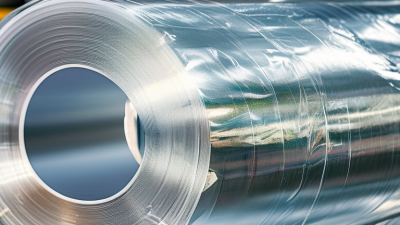
Why Choose Embossed Film for Your Packaging Needs?
In today's packaging landscape, businesses seek materials that enhance both functionality and aesthetic appeal. Embossed film has emerged as a popular choice for many brands. This unique film not only captivates consumers with its textured surface but also provides essential benefits like protection and durability.
Choosing embossed film means prioritizing quality. Its distinct design stands out on shelves, attracting attention in competitive markets. Additionally, embossed film provides a tactile experience that can enhance customer engagement. However, the selection process may present challenges. It is essential to consider the specific application requirements and sustainability factors.
As companies navigate their packaging journeys, exploring embossed film can lead to innovative solutions. While it is effective, it may not fit every brand's identity. This requires careful evaluation of goals and target audiences. Ultimately, the decision to use embossed film should align with a brand's overall mission and values.
Benefits of Using Embossed Film in Packaging Applications
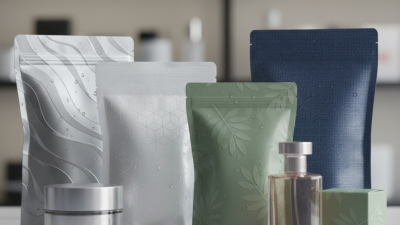
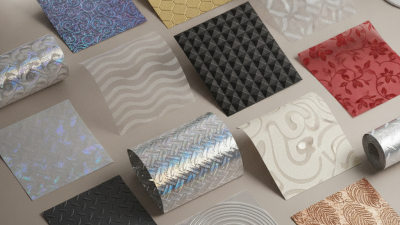
Embossed film is gaining popularity in packaging due to its unique benefits. The texture not only adds a visual appeal but also enhances the tactile experience. This can make a product stand out on retail shelves, attracting customer attention. Modern consumers often seek products that feel premium, and embossed film can deliver that impression.
Using embossed film can also improve product protection. The raised patterns create air pockets, providing an extra layer of cushioning. This is essential for fragile items. The durability of embossed films helps in withstanding environmental factors, ensuring the product remains intact during transport.
Tip: When considering embossed film, think about the product's aesthetic goals. A simple raised pattern can give your packaging a luxurious feel. Ensure that the design aligns with your brand identity. Not all patterns are universally appealing, so testing designs can be worthwhile.
The environment must also be a consideration. While embossed films are effective, their recyclability varies. Research eco-friendly options to meet sustainability goals. Make informed decisions that benefit both your brand and the planet.
Understanding the Different Types of Embossed Films Available
Embossed films come in various types, each offering unique benefits for packaging. The three most common types include polyester, polypropylene, and PVC embossed films. Polyester films provide excellent clarity and durability. They are often used for food packaging due to their resistance to moisture and temperature.
Polypropylene films, on the other hand, are known for their lightweight and flexibility. This makes them suitable for a range of products, including retail packaging. According to a report by Smithers Pira, the global demand for polypropylene in packaging is projected to reach 39 million tons by 2025. This indicates growing interest in materials that balance quality and sustainability.
PVC embossed films are often chosen for their cost-effectiveness. They are versatile and can be produced with various texture options. However, concerns over their environmental impact have prompted discussions on sustainable alternatives. Not all embossed films meet the same standards for recyclability. This emphasizes the need for brands to consider the ecological footprint of their packaging choices carefully.
How Embossed Film Enhances Aesthetic Appeal of Packaging
Embossed film packaging offers a unique blend of functionality and visual allure. Its three-dimensional textures capture attention, making products stand out on crowded shelves. According to a report by Smithers Pira, packaging that incorporates tactile elements can increase consumer engagement by up to 25%. This engagement is crucial in today's competitive market.
The aesthetic appeal of embossed film lies in its ability to create a premium perception. Custom embossing can enhance brand identity, conveying quality and sophistication. A study from Packaging Strategies reveals that 62% of consumers are more likely to choose products with innovative packaging. This trend indicates a shift toward designs that offer not just protection, but also an emotional connection.
However, the increased production costs associated with embossed film may deter some businesses. It's essential to balance aesthetics with budget constraints. Brands should analyze their target demographic carefully. Ultimately, the right embossed design could elevate a product’s market standing, but it requires thoughtful planning and execution to justify the expenses.
Protective Qualities of Embossed Film Against Environmental Factors
Embossed film offers superior protective qualities for packaging. This unique material excels in shielding products from environmental factors. UV rays, moisture, and dust can all harm stored items. Embossed film creates a barrier, reducing exposure to these elements. Its texture also enhances grip, making handling easier and safer.
Moisture can be a significant concern for various products. The embossed structure helps divert water, minimizing the risk of spoilage. It is crucial for food packaging and sensitive materials. Additionally, the film is often resistant to punctures. This resilience adds an extra layer of security.
While embossed film presents many benefits, not every situation calls for it. Some products may require different packaging solutions for maximum effectiveness. Evaluating each product's specific needs is important. Choosing the right type of packaging ensures that the product remains intact and safe from harm.
Cost-Effectiveness of Embossed Film for Packaging Solutions
Embossed film has become increasingly popular for packaging solutions due to its cost-effectiveness. According to recent industry reports, using embossed film can reduce packaging costs by up to 30% compared to traditional methods. This material offers excellent durability while providing an attractive finish, appealing to both brand owners and consumers alike.
Using embossed film not only cuts costs but also enhances product visibility. The raised textures can draw attention on crowded shelves. In fact, studies show that unique packaging designs can increase sales by 15% on average. It's crucial to consider how these visual touches can impact your bottom line.
Tips: Choose the right thickness for your embossed film. Thicker films provide better protection but may cost more. Additionally, explore eco-friendly options, as sustainable packaging is gaining traction. Embracing embossed film may require some trial and error, but it's worth investigating for your packaging needs.

 1Durch die gruppenweite Einführung und Harmonisierung unseres integrierten Managementsystems (IMS) werden alle bestehenden Unternehmens-, Qualitäts-, Umwelt- und Energiepolitiken durch diese Unternehmenspolitik ersetzt. Der Slogan „Textil hat Zukunft – auch in De