Why Choose Polymer Film for Your Packaging Needs?
The choice of packaging material significantly impacts product quality and shelf life. In the current market, "Polymer Film" stands out as a preferred option. According to a report by Smithers Pira, the global market for polymer films is projected to reach $137 billion by 2024, driven by growing demand in various industries.
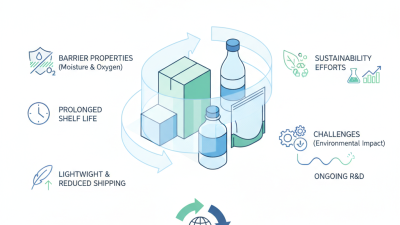
Polymer Film offers numerous advantages. It is lightweight, flexible, and highly durable. These characteristics contribute to reduced shipping costs and increased efficiency in packaging processes. Additionally, many polymer films provide excellent barrier properties against moisture, oxygen, and contaminants. This feature is crucial for maintaining product integrity and extending shelf life. Yet, the environmental impact of polymer films raises questions. While they are versatile, the rising concerns about plastic waste remind us to reflect on sustainable practices.
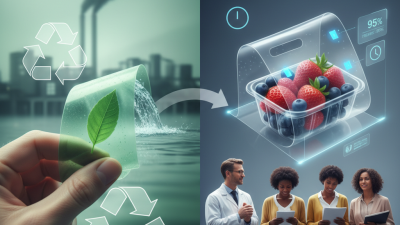
Incorporating innovative materials like bioplastics can enhance the benefits of polymer films. Advances in technology allow us to produce films that maintain performance while addressing environmental challenges. Overall, selecting polymer film for packaging needs requires careful consideration of both advantages and potential drawbacks.
Benefits of Polymer Films in Packaging Applications
When it comes to packaging applications, polymer films stand out for numerous reasons. Their versatility makes them suitable for various industries, including food, pharmaceuticals, and consumer goods. According to a recent market analysis, the global polymer films market is projected to reach $180 billion by 2025, driven by increasing demand for lightweight and durable packaging solutions.
One significant benefit is their exceptional barrier properties. Polymer films effectively protect products from moisture, gases, and UV light, extending shelf life significantly. A study found that products packaged in polymer films have up to 50% longer shelf lives compared to traditional materials. This not only boosts consumer satisfaction but also reduces food waste, a growing concern in today’s eco-conscious market.
Tip: When selecting polymer films for packaging, consider the specific requirements of your product. Different applications may need varying thicknesses and properties. It’s also essential to review the sustainability aspects. Some polymer films are recyclable or made with bio-based sources.
Another advantage is cost efficiency. Polymer films are lighter than glass or metal, which reduces transportation costs. However, not every polymer film is suitable for all applications. Businesses should conduct careful assessments to avoid potential pitfalls, such as material degradation over time or incompatibility with specific product formulations.
Tip: Conduct thorough testing to ensure the chosen polymer film meets your needs. Consider factors like temperature resilience and seal integrity during storage and transport.
Why Choose Polymer Film for Your Packaging Needs? - Benefits of Polymer Films in Packaging Applications
| Benefit |
Description |
Applications |
Sustainability |
| Lightweight |
Polymer films are lighter than traditional materials, reducing shipping costs. |
Food packaging, consumer goods. |
Available in recyclable options. |
| Barrier Properties |
Excellent barrier against moisture, oxygen, and light. |
Snack packaging, pharmaceuticals. |
Can be integrated with biodegradable materials. |
| Versatility |
Can be tailored for thickness, finish, and strength. |
Cosmetics, electronics. |
Innovation for less environmental impact. |
| Cost-Effective |
Lower material costs and reduced wastage. |
Bulk packaging, industrial uses. |
Recyclable and reprocessable film options. |
| Durability |
Tear-resistant and withstands various conditions. |
Shipping and storage purposes. |
Increasing focus on eco-friendly formulations. |
Key Properties of Polymer Films for Packaging Solutions
Polymer films are becoming increasingly popular in packaging. Their versatility makes them ideal for various applications. The key properties of polymer films are their durability, moisture resistance, and lightweight nature.
Durability is crucial for packaging. Polymer films often withstand physical stress, including tearing and puncturing. This resilience benefits products that require protection during handling and transport. Moisture resistance plays a vital role as well. It ensures that the contents remain safe from humidity. For food products, this characteristic helps extend shelf life.
Here are some tips to consider when selecting polymer films. First, evaluate the barrier properties needed for your specific product. Second, consider the environmental impact of the materials. Some polymer films are recyclable, while others are not. Lastly, think about user experience. Films that are easy to open can enhance consumer satisfaction.
While polymer films have many advantages, they are not without issues. Some may not be biodegradable, leading to environmental concerns. It's essential to weigh these factors carefully. Think about the short-term benefits vs. long-term impacts on the planet. Make informed choices that reflect not only your packaging needs but also your commitment to sustainability.
Why Choose Polymer Film for Your Packaging Needs?
Environmental Impact of Using Polymer Film in Packaging
The environmental impact of polymer film in packaging is a crucial consideration. Studies show that polymer films can significantly reduce overall packaging waste. In fact, packaging accounts for about one-third of global waste, according to the World Economic Forum. Utilizing lighter polymer films minimizes the carbon footprint during transportation. This efficiency is essential in a world striving for sustainability.
Despite their benefits, it's important to reflect on polymer film's recyclability. Only about 9% of plastic is ever recycled, as highlighted by the National Geographic Society. Many types of polymer films can contaminate recycling streams. This poses challenges for waste management systems. Some materials are not accepted in curbside recycling programs. Manufacturers and consumers must work together to improve recycling habits.
Tips:
Opt for biodegradable polymer films where possible.
Investigate local recycling options to ensure compliance.
Support innovations that enhance recyclability.
Cost-Effectiveness of Polymer Film Packaging Compared to Alternatives
Polymer film has become a popular choice in packaging for its cost-effectiveness. Studies show that polymer films can reduce packaging costs by 20-30% compared to traditional materials like glass and metal. This is due to their lower production costs and lighter weight. A report from the Flexible Packaging Association highlights that polymer films require less energy during manufacturing, further driving down expenses.
In addition to cost savings, polymer films offer excellent durability and versatility. They are resistant to moisture, which prolongs product shelf life. Products sealed in polymer films can stay fresh longer than those in paper or cardboard packaging. However, not all polymer films are environmentally friendly. The industry is still grappling with the impact of plastic waste. A balanced approach is crucial to addressing these sustainability concerns while enjoying the benefits of polymer materials.
Market trends indicate a shift towards biodegradable polymer films. This innovation aims to combine performance with environmental responsibility. Assessing the cost versus environmental impact is essential for manufacturers. As consumer awareness grows, the demand for sustainable options is likely to influence future packaging decisions. Understanding these dynamics will help brands navigate the complexities of modern packaging choices.
Innovative Uses of Polymer Film in Various Industries
Polymer films are transforming various industries with their innovative applications. Many sectors, including
food packaging,
electronics, and
healthcare, are adopting these materials due to their versatility.
According to a recent report by Smithers, the global market for polymer films is expected to reach
$135 billion by 2025. This growth is driven by the rising demand for
sustainable packaging solutions.
In the food industry, polymer films provide barrier protection against moisture, oxygen, and light. This is crucial for extending shelf life
and reducing waste. For instance, vacuum-sealed polymer bags can extend the freshness of perishable goods by up to
50%. In healthcare, these films are vital in producing sterile packaging for medical devices.
Studies show that packaging failures can lead to contamination, so reliable materials are essential.
Electronic devices also benefit from polymer films. They are lightweight and flexible, ideal for screens and protective casings.
A recent analysis indicated that polymer films could reduce manufacturing costs by 15% when used instead of traditional materials.
However, the reliance on these films raises questions about recyclability and environmental impact.
As industries embrace innovation, it’s crucial to address sustainability concerns within polymer film applications.

 1Durch die gruppenweite Einführung und Harmonisierung unseres integrierten Managementsystems (IMS) werden alle bestehenden Unternehmens-, Qualitäts-, Umwelt- und Energiepolitiken durch diese Unternehmenspolitik ersetzt. Der Slogan „Textil hat Zukunft – auch in De