What are the Benefits of Using Petg Sheets for Your Projects?
PETG sheets have gained significant traction in various industries due to their unique properties. According to a recent market analysis by *Global Industry Analysts*, the demand for PETG in the manufacturing sector is expected to witness a growth rate of over 5% annually. This growth highlights the increasing reliance on PETG sheets for diverse applications, ranging from packaging to protective barriers.
The appeal of PETG sheets lies in their durability and clarity. They are lightweight yet strong, making them suitable for projects that require both resilience and aesthetics. A report by *Research and Markets* noted that the global polysaccharide-based materials market is projected to reach $80 billion by 2026, in which PETG sheets play a crucial role. However, while PETG offers many benefits, users must be aware of its temperature sensitivity and potential for surface scratching.
Incorporating PETG sheets into projects can lead to enhanced performance and sustainability. Yet, challenges remain. For instance, their recycling process is less straightforward compared to other materials. A reflective approach to their applications can ensure optimal use. Understanding the strengths and limitations of PETG sheets fosters informed decisions in project management, ultimately contributing to successful outcomes.
Benefits of PETG Sheets in Various Industries
PETG sheets have gained popularity across various industries for their unique benefits. In the construction sector, they provide excellent durability. This material resists impact and can withstand harsh weather conditions. Architects appreciate its clear finish, allowing for innovative designs that let in natural light. In packaging, PETG is a preferred choice due to its recyclability and ability to maintain product integrity.
Crafting products with PETG sheets offers notable advantages. They are lightweight yet strong. Handling PETG sheets is easy, making them suitable for DIY enthusiasts. However, they can be prone to scratching, demanding careful usage. Despite this flaw, their versatility remains appealing.
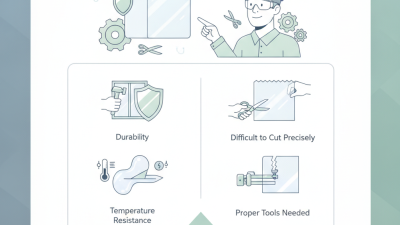
Tips: When using PETG sheets, cutting accurately is crucial. Use fine-tooth blades for clean edges. Additionally, secure the sheets properly when heating or forming. This will prevent warping. Experimenting with different thicknesses can lead to unexpected, rewarding results in your projects.
Durability and Impact Resistance of PETG Sheets
PETG sheets are becoming increasingly popular in various projects due to their impressive durability and impact resistance. According to recent industry reports, PETG offers a tensile strength of around 5,900 psi, which makes it significantly stronger than many alternatives like acrylic. This strength means that PETG can withstand heavy handling and demanding applications without easily cracking or breaking.
Impact resistance is another key benefit of PETG sheets. They have an incredible impact strength of about 80 ft-lb/in². This means they can absorb significant force without damage. For applications where safety is a concern, such as protective barriers or equipment guards, PETG is a reliable choice. The material can endure drops and impacts that would shatter glass or acrylic.
However, not every situation is perfect. While PETG is resistant to impact, it can be susceptible to scratches. Users should consider this when deciding on its use in environments with potential abrasion. Ongoing research in materials science continues to improve PETG properties, but some challenges remain. Evaluating specific project needs is essential to maximize the benefits of PETG sheets.
Thermal Stability and Ease of Processing PETG
When considering materials for various projects, PETG sheets stand out for their thermal stability. This feature allows them to withstand higher temperatures without deformation. For designers and crafters, this means less worry during fabrication. The material maintains its clarity and strength even when exposed to heat. This kind of resilience is essential for both functional and aesthetic applications.
Ease of processing is another significant advantage of PETG. The sheets can be easily cut, shaped, and formed with standard tools. This accessibility encourages creativity in projects, from prototypes to final products. However, not all users find the processing straightforward. Some may struggle with the right temperatures during heating. Finding that sweet spot can require patience and adjustment. Yet, once mastered, the rewards are impressive. Examples of successful applications abound, showcasing the potential of using PETG effectively.
Cost-Effectiveness of Using PETG Sheets for Projects
PETG sheets are gaining popularity in various projects, thanks to their cost-effectiveness. According to recent reports from industry experts, PETG offers significant savings over traditional materials like acrylic or polycarbonate. The initial investment is lower, and its long-lasting nature minimizes replacement costs. In many cases, businesses have reported a decrease in production expenses by up to 30% when switching to PETG sheets.
Another key aspect to consider is the ease of fabrication. PETG can be cut, shaped, and thermoformed with relative ease, which reduces labor costs. Certain industry findings suggest that projects requiring complex shapes can see a time reduction of 25% or more when using PETG. This not only streamlines production but also provides flexibility for custom projects. However, it’s important to assess whether the durability aligns with the project’s long-term goals, as the material does have some limitations in high-stress environments.
Moreover, PETG sheets are recyclable, adding to their appeal. A study from a sustainability organization showed that using recyclable materials like PETG can increase a project's eco-friendliness without raising costs. Despite its advantages, some may worry about its UV protection levels compared to other materials. Understanding these trade-offs can help in making an informed choice for specific applications.
Sustainability and Recyclability of PETG Materials
PETG sheets stand out for their sustainability and recyclability. Made from glycol-modified PET, they are a more environmentally friendly option compared to other plastics. According to a report from the European Plastics Converters association, PETG can be recycled multiple times without losing quality. This feature supports a circular economy by reducing waste.
The recyclability of PETG contributes to tackling plastic pollution. The Global Plastic Pollution report estimates that over 300 million metric tons of plastic are produced annually, with a significant portion ending up in landfills. Using materials like PETG can mitigate this issue. However, the effectiveness of recycling largely depends on local waste management systems. Not all regions have adequate facilities to process PETG, highlighting the need for improved infrastructure.
Sourcing materials sustainably is crucial. While PETG is recyclable, the production process still consumes energy and resources. An industry report from the Recycling Council indicates that only 9% of plastic is effectively recycled globally. This emphasizes the responsibility of all stakeholders, from manufacturers to consumers, to prioritize eco-friendly practices and make informed choices on material usage.

 1Durch die gruppenweite Einführung und Harmonisierung unseres integrierten Managementsystems (IMS) werden alle bestehenden Unternehmens-, Qualitäts-, Umwelt- und Energiepolitiken durch diese Unternehmenspolitik ersetzt. Der Slogan „Textil hat Zukunft – auch in De