Best Plastic Tint Film for Optimal UV Protection and Privacy?
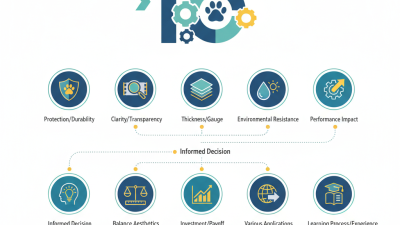
In today’s world, protecting ourselves from harmful UV rays while maintaining privacy is vital. Plastic Tint Film emerges as an effective solution. Renowned expert in the field, Dr. Emily Harper, emphasizes, "The right plastic tint film can significantly reduce UV exposure without compromising natural light." This statement highlights the dual benefits of choosing the right film.
Plastic Tint Film offers various protection levels. Different films provide distinct UV blocking percentages. The choice depends on specific needs and preferences. Many homeowners and businesses are seeking balance between aesthetics and functionality. It’s crucial to select a film that not only fulfills your privacy requirements but also enhances your interior space.
While there are numerous options available, not all plastic tint films are created equal. Quality varies greatly between brands. Conducting thorough research can prevent unwise choices. Understanding your unique needs can lead to an optimal decision. A well-selected plastic tint film can transform your environment while ensuring safety from harmful rays.
Types of Plastic Tint Films Available in the Market
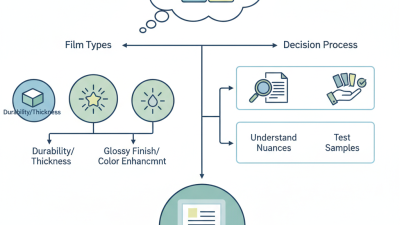
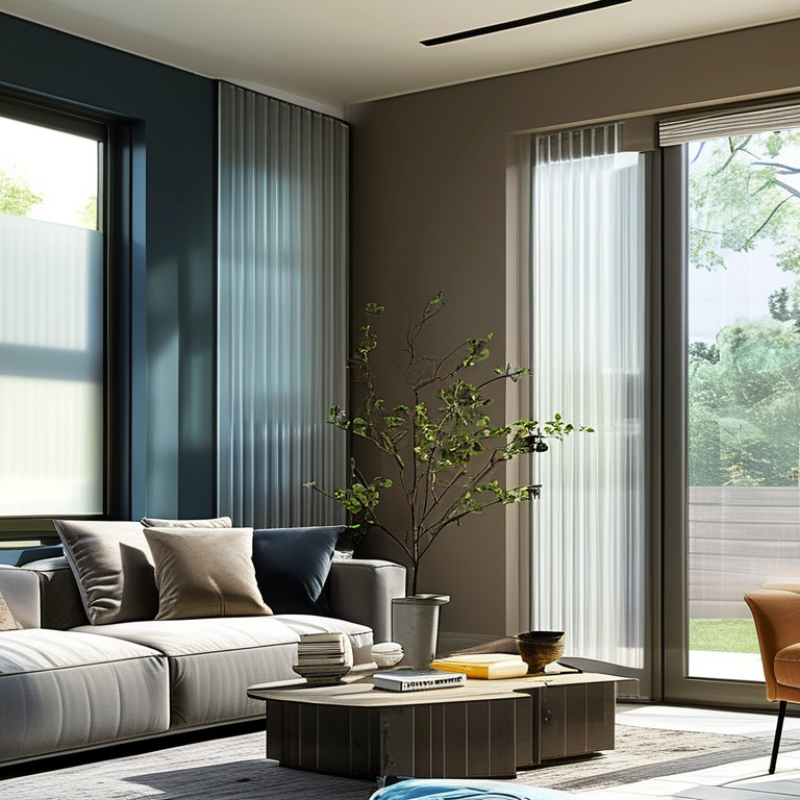
When selecting plastic tint films, understanding the types available is crucial. There are two main categories: dyed films and metalized films. Dyed films provide a simple solution for enhancing privacy. They reduce glare and come in various shades, making them a popular choice for home windows. However, they may not offer the best UV protection, and their durability can be a concern over time.
On the other hand, metalized films reflect heat and UV rays effectively. These films incorporate metal particles, offering better insulation and protection. They can reduce fading of interior furnishings significantly. Yet, some users report a mirrored effect that can be less appealing visually. This choice requires careful consideration of aesthetics versus functionality.
Carbon and ceramic films are emerging as alternatives, boasting advanced technology. Carbon films provide deep tint without metallic reflectiveness. Ceramic films go even further, offering high UV protection while remaining nearly invisible. However, these options can be pricier. Evaluating the pros and cons of each type will help in making the right decision for both comfort and style.
Key Benefits of UV Protection in Plastic Tint Films
Plastic tint films serve many purposes. One key benefit is UV protection. Harmful ultraviolet rays can damage skin and fade interior furnishings. High-quality plastic tint films can block up to 99% of these harmful rays. This creates a healthier indoor environment.
In addition to protection, these films enhance privacy. They allow light to enter while obscuring views from the outside. This dual function is beneficial for homes and offices. However, not all films offer the same level of UV blockage or privacy. Research and testing are crucial to ensure effectiveness and reliability.
Installation is another consideration. While some films are easy to apply, others may require professional assistance. Mistakes during application can affect performance. Ensuring proper installation can significantly improve results. Reflecting on these factors will lead to more informed choices.
Factors to Consider When Choosing Tint Films for Privacy
When selecting tint films for privacy, several factors come into play. UV protection is a key consideration. Studies reveal that high-quality tint films can block up to 99% of harmful UV rays. This not only safeguards your skin but also protects interior furnishings from fading. The effectiveness of UV protection varies significantly among films. It’s essential to consult expert reports on this matter.
Another crucial aspect is light transmission. Different films allow varying amounts of light to enter your space. For instance, films with lower visible light transmission ratings offer better privacy at certain times. However, they can make interiors darker. Balancing aesthetics and functionality can be challenging.
Moreover, the durability of the tint is vital. Some films may peel or fade over time. Choosing high-performance films ensures longevity, providing long-term benefits. In various reports, the average lifespan of window tint films is about 5 to 15 years, depending on the quality. Understanding the specifics of installation is another critical factor, as improper application can lead to bubbles or tears, compromising both privacy and UV protection.
Comparing Different Brands of Plastic Tint Films for Performance
When exploring plastic tint films, performance varies significantly across different brands. Each brand offers unique features, from varying UV protection levels to privacy enhancements. Some films provide excellent heat rejection, while others prioritize glare reduction. It's important to analyze what you need most: UV protection, privacy, or both.
Not all films perform equally under different conditions. For instance, some may fade over time or lose effectiveness after exposure to sunlight. Checking product reviews and testing reports can help identify the most reliable options. Consumer feedback often highlights durability issues or unexpected results.
Privacy levels can also differ notably. Certain films excel in keeping your space secluded, while others fall short. Users often report mixed experiences, leading to confusion about the best choice. Assessing these factors critically can guide you toward the right plastic tint film for your needs.
Best Plastic Tint Film for Optimal UV Protection and Privacy
| Brand |
UV Protection (%) |
Visibility Light Transmission (%) |
Privacy Rating |
Warranty (Years) |
| Brand A |
99% |
30% |
High |
5 |
| Brand B |
98% |
20% |
Medium |
7 |
| Brand C |
97% |
40% |
Low |
3 |
| Brand D |
95% |
50% |
High |
10 |
Installation and Maintenance Tips for Optimal Tint Film Results
Installing plastic tint film correctly can enhance UV protection and privacy. Proper application ensures longevity and functionality. According to the Skin Cancer Foundation, 90% of skin cancers are linked to UV exposure. Tint film acts as a barrier against harmful rays while blocking up to 99% of UV light.
Preparation is key for installation. Clean windows thoroughly to remove dirt and grease. Consider using a film application solution for smoother installation. Avoid working on extremely hot or cold days, as temperatures can affect film adhesion. Check the film often during application. Small bubbles might appear but can usually be removed with a squeegee or by pricking them with a needle.
Maintenance is also crucial. Use gentle, non-abrasive cleaners to preserve the tint's quality. Avoid ammonia-based products; they can degrade the film over time. Perform regular checks for any peeling or discoloration. Repairing small areas can prevent larger issues. Remember, the lifespan of tint film is typically around five to ten years. Proper care can extend its effectiveness and keep your space looking sharp.

 1Durch die gruppenweite Einführung und Harmonisierung unseres integrierten Managementsystems (IMS) werden alle bestehenden Unternehmens-, Qualitäts-, Umwelt- und Energiepolitiken durch diese Unternehmenspolitik ersetzt. Der Slogan „Textil hat Zukunft – auch in De