How to Choose the Best Pet Polyester Film for Your Needs?
Choosing the right Pet Polyester Film can be daunting. The market offers a vast array of options. Each type has unique properties that suit different applications. According to industry expert Dr. Jane Kim, “Selecting the correct film can significantly impact your project’s success.” This insight emphasizes the need for careful consideration.
Pet Polyester Film is known for its durability and versatility. It's used in packaging, insulation, and more. However, not all films are made the same. Understanding your specific needs is crucial before making a decision. Some films are better suited for high-temperature applications, while others excel in moisture resistance.
As the demand for quality increases, the industry evolves. New technologies emerge, making films thinner yet more resilient. However, the selection process can involve trial and error. Not every choice will meet expectations. Taking the time to evaluate various options ensures better outcomes in the long run. Choosing wisely today can eliminate setbacks tomorrow.

Understanding Pet Polyester Film: Key Features and Benefits
When selecting a pet polyester film, understanding its key features is crucial. This material is renowned for its durability and versatility. It resists moisture, making it suitable for various applications, such as protective packaging. Additionally, it offers excellent clarity, ensuring visual appeal in displays. The strength of pet polyester film can withstand wear and tear, which is essential for frequent handling.
Another significant benefit is its temperature resistance. PET films can endure various temperatures without losing their structural integrity. This feature is vital in industries where products are exposed to fluctuating conditions. However, users should consider their specific needs. Not all pet polyester films are created equal. Some may lack certain properties or may not perform well in specific environments.
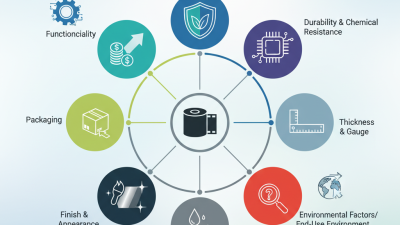
Reflecting on the choice of material, consider not only the immediate requirements but also future applications. Make sure to evaluate the film's thickness and gauge as they influence functionality. Sometimes, opting for a thicker film isn't necessary for your project. Finding the right balance is key for both performance and cost. Consider these elements carefully to make an informed decision tailored to your needs.
Identifying Your Specific Needs for Pet Polyester Film
Choosing the right PET polyester film requires a clear understanding of your specific needs. Think about what you’re using the film for. Applications range from packaging to insulation. Each use has unique demands. For instance, films used in food packaging must meet stringent safety standards. Durability is paramount in industrial settings. Consider how much wear the film will face.
Also, think about environmental factors. Some films perform better in high temperatures. Others resist moisture and UV exposure. Understanding these variables can help narrow your options. Assess the thickness. Thicker films can provide better protection but can also be heavier and less flexible.
Reflect on your project timelines and budgets. Some high-quality films might cost more upfront. However, investing in reliable materials can save money in the long run. Remember, not all films are created equal. An ill-suited choice can lead to problems down the line. Be mindful of your specific needs for optimal results.
Comparing Different Types of Pet Polyester Films
When selecting the best PET polyester film, understanding the different types available is crucial. The most common types are biaxially oriented polyester (BOPET) and polyethylene terephthalate (PET). BOPET films exhibit superior strength and dimensional stability, making them ideal for packaging applications. According to industry reports, BOPET films accounted for about 50% of the global polyester film market in 2020, showcasing their popularity and reliability.
Tip: Assess your specific application needs. If you require flexibility and enhanced optical clarity, BOPET may be your best choice. In contrast, standard PET films are suitable for general-purpose applications.
Another consideration is the thickness of the film, which can influence performance. Thicker films offer better tear resistance and can withstand harsher environments. Recent studies indicate that thicker films can increase durability by up to 30%. Consumers should weigh these factors against cost, as thicker films typically come at a premium.
Tip: Don’t overlook environmental factors. Some PET films are recyclable, while others are not. Be sure to check the recyclability of the film to align with your sustainability goals.
Evaluating Quality and Performance for Long-Term Use
Choosing the right pet polyester film requires careful evaluation of its quality and performance. When selecting a film, consider the material’s durability and how well it withstands wear and tear over time. A film that fades or tears easily may not serve your needs effectively. It's essential to assess if the film can maintain its integrity under varying environmental conditions.
Tips: Always check for certifications that indicate the film's safety and reliability. Look for any reviews or case studies that reflect real-user experiences. A reliable product often has transparent information about its testing and performance history.
Another aspect to evaluate is the film's compatibility with your specific needs. Different applications may require different thickness levels or finishes. A thicker film may offer better durability, but it could also be less flexible. Reflect on your priorities; sometimes, a balance between flexibility and thickness is needed.
Tips: Test samples of different films. Pay attention to the feel and flexibility. Remember that what works for one application might not work for another. Don’t rush this process; thorough evaluation helps in making the best choice.
Performance Comparison of Different Types of Pet Polyester Film
Making the Final Decision: Factors to Consider When Buying
Choosing the right pet polyester film can be challenging. Several factors should be at the forefront of your decision-making process. First, consider the thickness of the film. Thicker films tend to be more durable and resistant to wear, but they might not be as flexible. Think about your specific needs. Are you looking for something that can withstand heavy use, or do you need a lightweight option for occasional use?
Another important aspect is the clarity of the film. If you're using it for packaging or display, clarity may matter greatly. A clear film enhances visibility and presentation. However, it’s worth noting that highly transparent films might be more prone to scratches. It's essential to weigh appearance and functionality carefully.
Lastly, keep the environmental impact in mind. Some polyester films have eco-friendly options. Are you willing to pay extra for sustainability? Reflecting on your values during this decision is crucial. Sometimes, settling for an average option without careful consideration can lead to regret. Choosing the best film requires looking beyond price and specs, connecting with your needs, and balancing multiple factors thoughtfully.
How to Choose the Best Pet Polyester Film for Your Needs?
| Feature |
Importance |
Description |
| Thickness |
High |
Thicker films offer better durability and resistance to wear and tear. |
| Clarity |
Medium |
High clarity is essential for visibility and aesthetic value. |
| Temperature Resistance |
High |
Important for applications exposed to high temperatures; affects performance. |
| Chemical Resistance |
High |
Necessary for environments where chemicals might be present. |
| UV Stability |
Medium |
Prolongs the life of the film when exposed to sunlight. |
| Cost |
High |
Budget considerations are critical when selecting the film type. |
| Ease of Handling |
Medium |
Lightweight and flexible films are easier to work with. |

 1Durch die gruppenweite Einführung und Harmonisierung unseres integrierten Managementsystems (IMS) werden alle bestehenden Unternehmens-, Qualitäts-, Umwelt- und Energiepolitiken durch diese Unternehmenspolitik ersetzt. Der Slogan „Textil hat Zukunft – auch in De