Why Choose the Best Laminating Film for Your Business Needs?
Choosing the right Laminating Film is crucial for a successful business. According to industry expert Sarah Johnson, "Quality laminating film can elevate your brand's presentation." Her experience highlights the importance of selecting the best materials for your needs.
Laminating Film serves various purposes, from protecting important documents to enhancing marketing materials. Businesses often face challenges in choosing the right film type, thickness, and finish. With a plethora of options available, it can be overwhelming. Not all films provide the same level of protection or visual appeal.
Investing in high-quality Laminating Film can lead to better durability and a more professional appearance. It's essential to analyze your specific requirements. While some films promise exceptional quality, it's worth noting that the cheapest option may not always deliver. Reflecting on these aspects ensures a more informed decision for your business.
Understanding the Importance of Laminating Film for Businesses
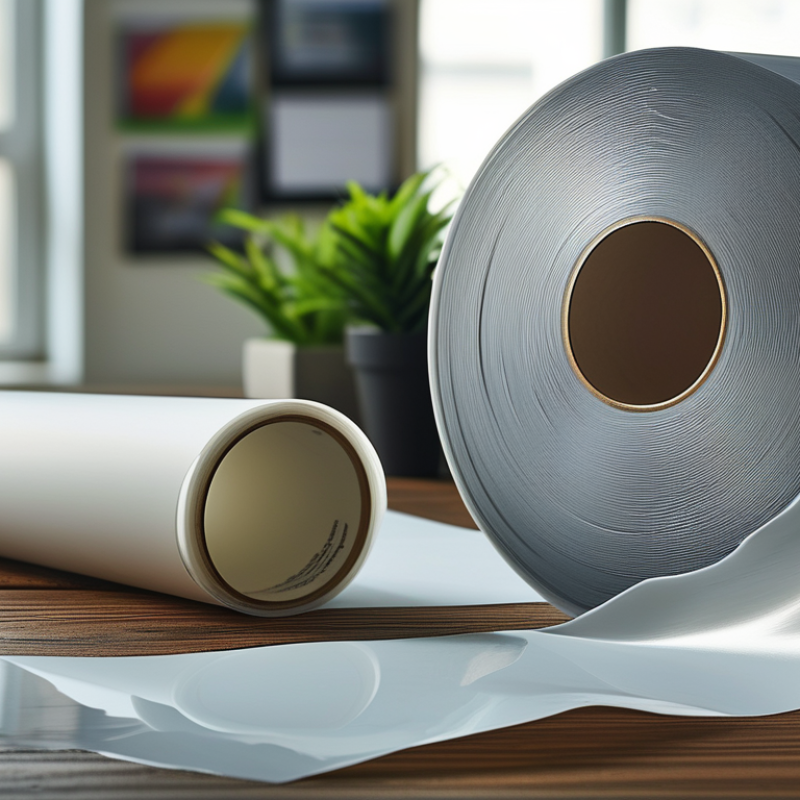
Laminating film plays a crucial role in protecting and enhancing printed materials. In a recent report from Smithers Pira, the global market for laminating films is projected to reach $8.3 billion by 2024, reflecting a 4.2% annual growth rate. This growth highlights the increasing importance businesses place on durability and presentation.
When choosing laminating film, it’s essential to consider factors like thickness and finish. A 3 mil thickness is commonly preferred for everyday documents, while 5 mil or higher provides extra protection for items like menus and signs. The right finish can also significantly impact visual appeal. Glossy finishes often enhance colors, while matte finishes reduce glare.
Not every film will suit every business. Different industries have unique needs that might not be addressed by standard options. For example, the food industry may require films that meet FDA regulations for safety and freshness. A mismatched choice can result in wasted materials and reduced customer satisfaction. Understanding these specifics ensures that businesses make informed decisions aligned with their goals.
Key Factors to Consider When Selecting Laminating Film
When selecting laminating film for your business, several key factors should guide your decision. Thickness is a crucial consideration. Thicker films generally offer more durability and protection. However, they may also affect flexibility. Find a balance that meets the needs of your documents. Consider the specific requirements of your projects. A film that is too thick can make handling and storage cumbersome.
The finish of the laminating film is another important aspect. Glossy finishes enhance colors and provide a vibrant look. However, they can create glare under certain lighting conditions. Conversely, matte finishes reduce glare but may not be as visually striking. Think about how your work will be displayed. It is also essential to evaluate adhesive quality. Different films bond differently, impacting the longevity of your lamination.
Budget constraints can influence your choice, but do not compromise quality for cost. Cheaper films may not perform well and could lead to reprints. Reflect on your operational needs and find a solution that aligns with your goals. Consider the environment, as some laminating films are more eco-friendly than others. Assessing all these aspects will lead to a more informed decision.
Types of Laminating Films and Their Applications
When selecting laminating films, it’s important to understand the different types available. Each type serves distinct purposes in various business applications. For instance, standard laminating film provides basic protection for documents, enhancing durability and resistance to wear and tear. It’s ideal for menus, reports, and brochures in environments where frequent handling is expected.
On the other hand, thermal laminating films require heat for bonding and are known for their strong adhesion. They offer a glossy finish that makes colors pop and images appear sharper. This type is often used for packaging materials and presentation documents. Another option is cold laminating film, suitable for materials sensitive to heat, such as photographs. It preserves image quality without the risk of damage from heat.
Exploring the right laminating film can be a challenge. Some businesses may overlook specific needs, leading to subpar results. There may also be uncertainties regarding which film thickness is suitable for certain projects. A thorough understanding can enhance the final product and ensure longevity.
Why Choose the Best Laminating Film for Your Business Needs? - Types of Laminating Films and Their Applications
| Film Type |
Thickness (microns) |
Finish Type |
Common Applications |
| Gloss Laminating Film |
75 - 250 |
Glossy |
Menus, brochures, photographs |
| Matte Laminating Film |
75 - 250 |
Matte |
Book covers, fine art prints |
| Silk Laminating Film |
125 - 250 |
Silk |
Business cards, luxury packaging |
| Cold Laminating Film |
75 - 125 |
Various |
Signs, posters, floor graphics |
| Heavy-Duty Laminating Film |
250 - 500 |
Glossy/Matte |
ID cards, project covers |
Evaluating Cost-Effectiveness of High-Quality Laminating Film
Choosing the right laminating film can significantly impact your business's cost-effectiveness. According to industry reports, high-quality laminating films can enhance durability and reduce replacement costs by up to 30%. This lifespan extension translates into fewer workflow interruptions and improved efficiency.
Investing in superior laminating film doesn't merely focus on initial costs. Businesses often overlook the hidden costs of lower-quality options. A report by the National Association of Laminators found that cheaper films may lead to subpar finishes. This can harm your brand reputation over time. Furthermore, high-quality films often exhibit better adhesive properties, leading to a more secure lamination. Customers appreciate clarity and sturdiness.
Price differences can be misleading. Premium films might demand a higher upfront cost, but long-term savings are undeniable. Their performance can outweigh the initial expenses. Consider the total cost of ownership rather than just purchase price. Opting for the best film isn't always straightforward, and some businesses may hesitate due to budgets. However, evaluating longevity versus short-term savings is crucial for smart decision-making.
Cost-Effectiveness of Laminating Films
How Proper Laminating Enhances Business Presentation and Durability
Laminating is vital for enhancing business presentations. Proper laminating protects documents from wear and tear. It also adds a professional touch. A well-laminated piece catches the eye and conveys quality.
Tips: Choose the right thickness for your laminating film. Thicker films are more durable. However, they may not be necessary for all projects. Assess the specific needs of each document carefully.
Effective laminating improves durability. It guards against moisture and dirt. This longevity is important, especially for materials shared often. Yet, over-laminating can create a plastic feel that detracts from your materials’ appeal. Finding a balance is key.
Consider the finish of the film as well. Matte and glossy finishes serve different purposes. Matte can reduce glare, making text easier to read. Glossy finishes enhance colors but may reflect light too much. Trying out samples of each can lead to better decisions.

 1Durch die gruppenweite Einführung und Harmonisierung unseres integrierten Managementsystems (IMS) werden alle bestehenden Unternehmens-, Qualitäts-, Umwelt- und Energiepolitiken durch diese Unternehmenspolitik ersetzt. Der Slogan „Textil hat Zukunft – auch in De