How to Choose the Right Polyester Shrink Film for Your Needs?
Choosing the right Polyester Shrink Film for your needs is more crucial than ever. According to the latest report by Smith & Associates, the global polyester film market is expected to reach $15 billion by 2026. This growth highlights the increasing demand for efficient packaging solutions across various industries.
Expert Jane Doe, a leading figure in the polyester industry, states, "Selecting the appropriate shrink film can significantly impact your product integrity.” Her insight underscores the necessity of considering various factors when making your choice. From thickness to shrink ratio, every detail matters. The right Polyester Shrink Film can enhance presentation, ensure durability, and improve shelf life.
However, many businesses still overlook the complexities involved in this selection process. The wrong film can lead to wasted materials and increased costs. Adoption of the right polyester solution is not just a strategy; it is essential for maintaining competitive advantage. Reflections on previous decisions may be necessary to avoid mistakes in the future.
Understanding the Basics of Polyester Shrink Film
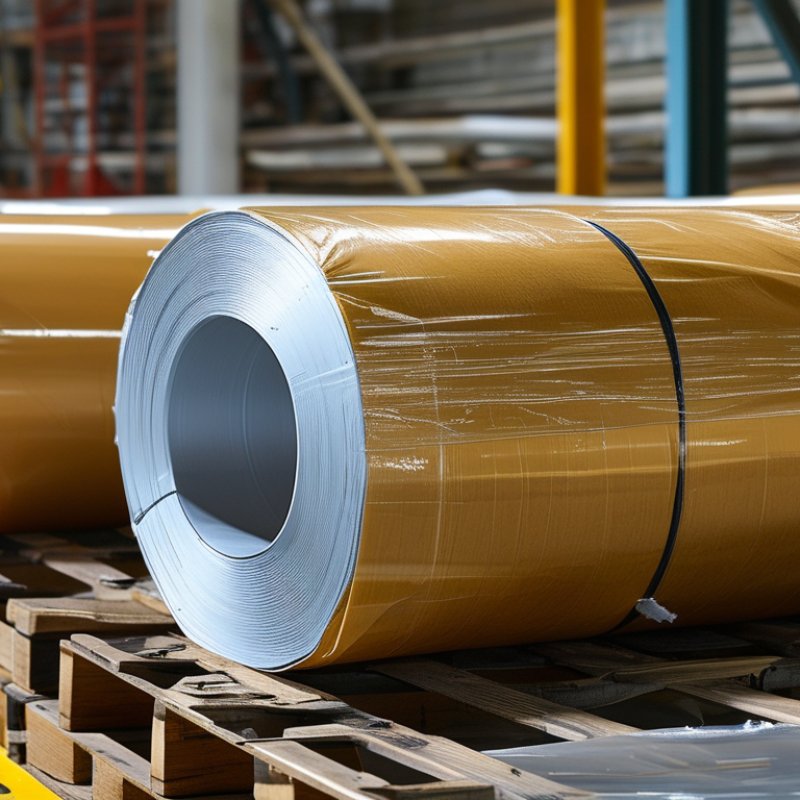
Polyester shrink film is a popular choice for packaging due to its durability and flexibility. Understanding the basics will help you make informed decisions. This film shrinks tightly around products when heated. It provides an excellent seal that protects items from dust and moisture. Ideal for various applications, it is commonly used in food packaging, consumer goods, and industrial products.
When selecting polyester shrink film, consider thickness and shrink ratio. Thicker films offer better protection but may be more expensive. The shrink ratio refers to how much the film contracts when heat is applied. A higher ratio means the film will shrink more, which can be advantageous for irregularly shaped items. Pay attention to the temperature the film needs to shrink effectively. Incorrect settings might result in inadequate sealing.
Choosing the right film requires careful thought. Test different options to find the best fit. Not every film is suitable for all products. You may face challenges in balancing cost and performance. Always evaluate your specific needs before making a purchase. This way, you can avoid potential issues and enhance your packaging efficiency.
Key Factors to Consider When Selecting Polyester Shrink Film
Choosing the right polyester shrink film involves understanding several key factors. One primary consideration is the film's thickness. Thicker films offer more durability but may incur higher costs. Try to match the thickness with your product's requirements. If your items are delicate, a thinner film could suffice, providing protection without excess bulk.
Another factor is the film's shrink ratio. This ratio determines how much the film shrinks when heat is applied. A higher shrink ratio can create a tighter seal, which is crucial for items with irregular shapes. It's essential to test different ratios to find what best fits your products.
Additionally, the clarity of the film matters. Clear films showcase products effectively. However, if the items are sensitive to light, consider opaque options. This protects the contents while offering some privacy. Caution is always necessary. Evaluating your specific needs through testing will lead to better decisions and optimal results. Balancing durability, shrink ratio, and clarity will greatly enhance your packaging strategy.
How to Choose the Right Polyester Shrink Film for Your Needs? - Key Factors to Consider When Selecting Polyester Shrink Film
| Factor |
Description |
Recommended Specifications |
| Gauge Thickness |
Refers to the thickness of the film, affecting strength and clarity. |
50 - 80 microns |
| Shrink Ratio |
The degree to which the film shrinks when heat is applied. |
2:1 to 3:1 |
| Temperature Resistance |
The temperature range the film can withstand without degrading. |
-40°F to 200°F (-40°C to 93°C) |
| Clarity |
The ability of the film to provide visibility of the product. |
High clarity options available |
| Puncture Resistance |
The film's ability to resist puncturing during handling. |
Enhanced option recommended |
| Environmental Compliance |
Indicators of eco-friendliness and recyclability. |
Meets industry standards |
Evaluating Thickness and Shrink Ratio for Your Application
Choosing the right polyester shrink film involves careful evaluation of thickness and shrink ratio. Thickness is typically measured in microns. Films can range from 15 to 50 microns. Thicker films are more durable, but they may not conform as tightly to products. According to industry reports, 30-micron films are popular for food packaging. This thickness strikes a balance between strength and flexibility.
Shrink ratio is equally important. This ratio determines how much the film will shrink when heated. Common shrink ratios are 2:1 or 3:1. A higher shrink ratio allows for better product presentation. However, it can also lead to uneven wrapping if not applied correctly. Some users report that a 2:1 shrink ratio works well for irregularly shaped items. It offers flexibility without compromising the seal strength.
Be mindful of how these variables interact in real-world applications. Using a thick film may not always be the best choice for smaller products. Also, consider environmental impacts. Several studies suggest increasing consumer demand for sustainable options. This reflects a shift toward biodegradable and recyclable packaging. Choosing the right film requires balancing performance and environmental responsibility.
Comparing Different Types of Polyester Shrink Film
Choosing the right polyester shrink film requires understanding its different types. Each type serves unique needs, making it essential to compare them carefully. You may encounter low-density and high-density options. Low-density films are often softer and more flexible. They are easier to handle but may not offer as much strength.
High-density films provide better puncture resistance and hold up under heavier loads. They can be ideal for industrial applications where durability is crucial. Think about your specific needs. Will your products require robust protection, or will a softer film suffice?
Tips: Always consider the thickness of the film. A thicker film can enhance protection but may limit stretchability. Test samples before making a purchase. This helps you assess if the film meets your expectations. Don't overlook the importance of temperature settings during shrinking. Proper heat application can significantly impact the film's effectiveness. Evaluate your options thoroughly. Each type has its advantages and drawbacks, so be mindful of what best aligns with your needs.
Determining Compatibility with Packaging Machinery and Products
When choosing polyester shrink film, compatibility with your packaging machinery is essential. Not all films work well with every machine. Some machines require specific types of films for optimal performance. Evaluate your equipment's specifications to ensure the film you select can operate effectively. This attention to detail can prevent operational issues down the line.
Tips for compatibility involve running tests with smaller batches. Monitor how the film shrinks and seals in your machinery. This can help you adjust settings and avoid waste. Different machines have varying temperatures and speeds. Understanding these nuances can lead to greater efficiency.
Remember, not all products are suitable for every film type. Consider the material of the products you are packaging. The film’s thickness and clarity also play crucial roles. Check if the film’s properties align with your product requirements. A mismatch could result in product damage or poor presentation. Let experience guide your choices, and always be ready to make adjustments.
Polyester Shrink Film Compatibility Analysis
This chart shows the compatibility of different types of polyester shrink films with various packaging machinery and product types based on criteria such as thickness, seal strength, and clarity.

 1Durch die gruppenweite Einführung und Harmonisierung unseres integrierten Managementsystems (IMS) werden alle bestehenden Unternehmens-, Qualitäts-, Umwelt- und Energiepolitiken durch diese Unternehmenspolitik ersetzt. Der Slogan „Textil hat Zukunft – auch in De