Top Tips for Choosing the Best Pet Polyester Film?
Choosing the right Pet Polyester Film is crucial for various applications, including packaging, electronics, and graphics. The global market for this material is projected to grow significantly, with a CAGR of 5.6% from 2021 to 2028, according to recent industry reports. This underscores the importance of selecting high-quality films that meet specific needs.
Pet Polyester Film offers various advantages, such as excellent clarity, durability, and resistance to chemicals. However, not all films are created equal. Potential buyers must consider factors like thickness, tensile strength, and thermal resistance. Many users make the mistake of underestimating these critical specifications, leading to inefficient results.
Ultimately, the decision should be based on reliable data and comprehensive test results. Conducting thorough research ensures that the chosen Pet Polyester Film aligns with performance requirements. Being informed and cautious can save costs and prevent project setbacks.

Factors to Consider When Choosing Pet Polyester Film
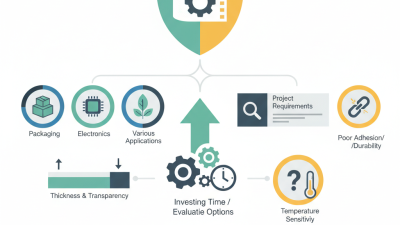
When selecting PET polyester film, several key factors come into play. The thickness of the film is crucial. A typical thickness range for PET films is between 12 to 250 micrometers. Thicker films can enhance durability but may sacrifice flexibility. It's essential to consider the specific application. For instance, thin films are preferable for packaging due to their lightweight nature, which also contributes to cost-effectiveness.
Another important consideration is the thermal properties of PET polyester films. According to industry reports, the glass transition temperature for PET is around 80°C. This means that films need to withstand certain temperature ranges without deforming. Additionally, factors such as moisture resistance and chemical stability can significantly impact the film’s performance in real-world applications. Films that are not optimized for these properties may ultimately fail, leading to costly delays and product failures.
Lastly, clarity and optical properties are significant, especially for the packaging sector. High clarity films reflect well on product visibility. Industry data suggests that clear PET films can achieve over 90% light transmission. However, finding a balance between clarity and strength is essential. Films that are too thin to maintain rigidity may crack or tear, affecting usability. Selecting the right PET polyester film requires a careful evaluation of these factors to ensure suitability for intended applications.
Top Tips for Choosing the Best Pet Polyester Film
This chart presents the average ratings for key factors to consider when selecting the best Pet Polyester Film. The factors include thickness, clarity, cost, UV resistance, and temperature resistance, showcasing their importance in making an informed choice.
Understanding the Different Types of Pet Polyester Film
When selecting the right PET polyester film, it’s essential to understand the options available. There are various types, each suited for different applications. Clear films are popular due to their transparency, making them ideal for packaging and display purposes. They provide excellent visibility while protecting the contents.
Matte films offer a different appeal. These films reduce glare and reflections, making them perfect for labels and prints where readability is crucial. Users should consider the thickness of the film as well. Thicker films usually provide greater durability but may not always be necessary for lighter applications.
Reflective and colored films add another layer of functionality. Reflective films are often used in safety applications, enhancing visibility in low-light conditions. However, colored films can help in branding and design, giving products a unique look. The right choice depends on your specific needs, and it’s essential to weigh the pros and cons before deciding. Careful consideration of the type and purpose will lead to more effective use.
Evaluating the Properties of Pet Polyester Film for Your Needs
Evaluating the properties of PET polyester film is essential for selecting the right material for your projects. Begin by understanding its key characteristics, such as clarity, strength, and resistance to heat and chemicals. PET film can be transparent, allowing for excellent visibility. This is particularly important in applications like packaging and display.
Another critical factor is the film’s thickness. Thicker films offer better durability but may be less flexible. Consider how the thickness impacts your intended use; a balance between sturdiness and flexibility is often needed. Additionally, think about the film's surface structure. Some applications benefit from a matte finish, which reduces glare, while others require a glossy surface.
Temperature resistance is also worth noting. While PET film can withstand high temperatures, prolonged exposure may lead to degradation. Regular testing under specific conditions can provide insights into its long-term performance. Think about how environmental factors might affect your choice. Be prepared for adjustments as you discover how these variables play out in real situations. This process may reveal misconceptions about your needs and lead to better-informed decisions.
Comparing Brands and Manufacturers of Pet Polyester Film
When selecting a PET polyester film, understanding the differences between brands and manufacturers is crucial. Industry reports show that the global PET film market is projected to reach over $18 billion by 2027, highlighting the importance of making informed choices. Comparing the properties of different brands can lead to better end applications such as packaging, electrical insulation, and photographic films.
Different manufacturers offer varying thicknesses, clarity, and tensile strength. For instance, thinner films often yield lower cost but may sacrifice durability. Comprehensive testing reports indicate that films with higher tensile strength tend to perform better in demanding environments. However, these options may come at a premium price. Analyzing material certifications also plays a significant role. Brands with ISO or ASTM certifications typically assure reliability and consistency.
Some manufacturers focus on eco-friendly production methods, while others prioritize high performance. It's essential to assess these factors based on the specific needs of your project. Not every film type will meet all expectations. Consider seeking samples to evaluate the film's performance in real-world applications. This hands-on approach can reveal unexpected challenges and provide deeper insight into your choices, ensuring you make the best decision for your requirements.
Best Practices for Handling and Using Pet Polyester Film
When working with PET polyester film, proper handling is essential. This material is sensitive to temperature and humidity. Always store it in a cool, dry place. High moisture can lead to bubbling during application. Consider using a dehumidifier in your workspace if necessary.
During cutting and processing, ensure your tools are sharp. Dull blades can create rough edges and may affect the film's overall appearance. Take time to clean your equipment regularly. Any debris on cutting tools can lead to imperfections.
When applying PET film, be mindful of the surface. Metals and plastics work well, but ensure they are clean and smooth. Test a small area first to check adhesion. If bubbles form, gently slice them with a sharp blade. This allows trapped air to escape. Making mistakes is part of the learning process. Analyze what went wrong and adjust your technique for future projects.

 1Durch die gruppenweite Einführung und Harmonisierung unseres integrierten Managementsystems (IMS) werden alle bestehenden Unternehmens-, Qualitäts-, Umwelt- und Energiepolitiken durch diese Unternehmenspolitik ersetzt. Der Slogan „Textil hat Zukunft – auch in De