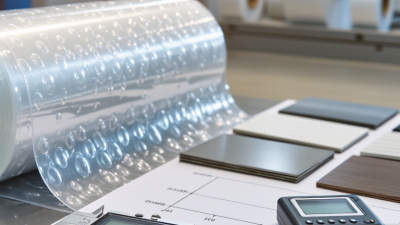
Why Choose Embossed Film for Packaging?
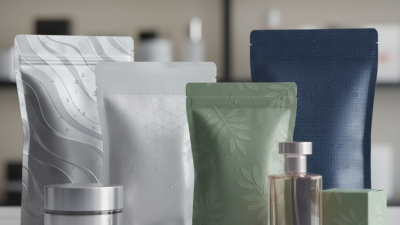
Packaging has to do more than hold a product. It must protect the contents, run smoothly through packing equipment, and help customers recognize the brand. Embossed Film adds a raised texture to a film’s surface, creating a tactile detail that can also change how light reflects from the package. A fingertip can feel the pattern. On a shelf, that subtle surface may help a product stand apart without relying on color alone.
The right embossing pattern depends on the application. Fine textures can support a refined appearance, while deeper patterns may improve grip during handling. Yet texture is only one part of the decision. Film structure, thickness, sealing performance, print quality, and storage conditions all matter. Packaging teams should check whether the embossed material works with their filling and sealing equipment, then test finished packs under realistic handling conditions. Results can vary.
There are trade-offs. Embossing may affect material use, converting requirements, or the final package’s look, and a pattern that suits one product may feel wrong for another. It is not a magic fix. Some designs look appealing on a sample but lose impact in a full production run. That deserves a second look. This guide explores why brands choose Embossed Film, where its tactile and visual benefits can help, and what to evaluate before specifying it for packaging. The best choice is the one that protects the product and feels right in everyday use.
What Is Embossed Film?
Why Choose Embossed Film for Packaging?
What Is Embossed Film?
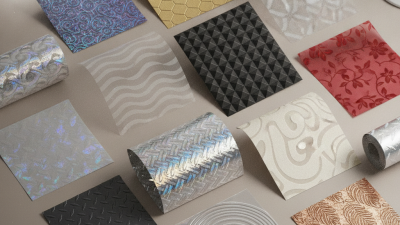
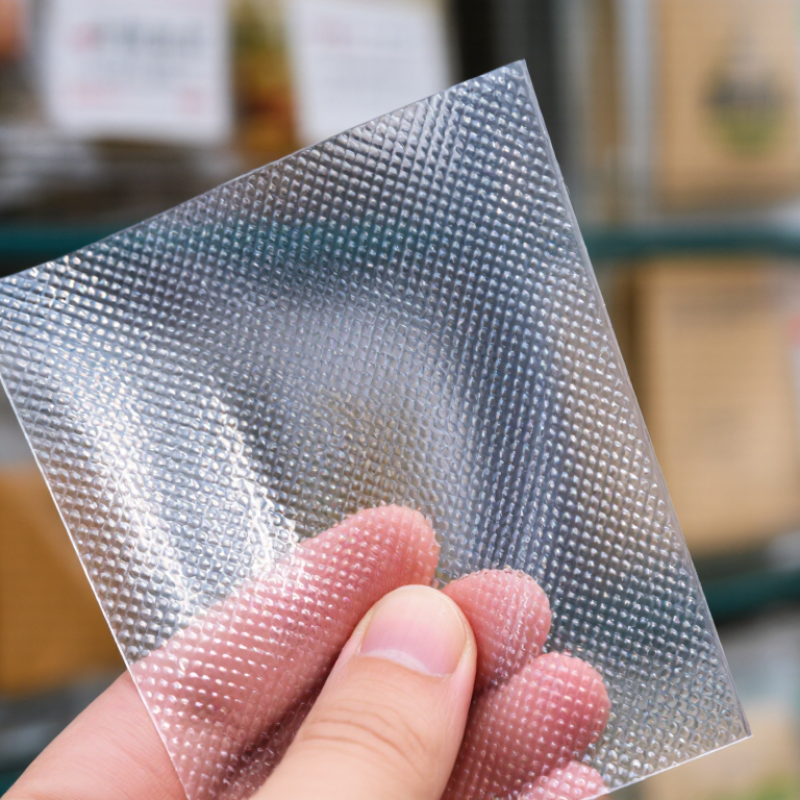
Embossed film is packaging film pressed with a patterned roll or plate, creating raised and recessed details. Run a fingertip across it, and the pattern becomes clear. Depending on the design, the texture can improve grip, soften glare, or give a package a distinctive feel. It may be made from one film layer or incorporated into a multilayer laminate. The embossing changes the surface; it does not automatically provide a stronger barrier. That depends on the materials and construction.
The U.S. flexible packaging industry recorded $42.9 billion in shipments in 2022, according to the Flexible Packaging Association’s 2023 State of the Industry report. That figure shows the scale of the packaging category, not the specific market for embossed film. Still, it is not magic. Embossing pressure can affect film thickness and performance, so converters should test sealing, barrier properties, and durability on the finished structure. A deep pattern may look appealing but can create weak points if the material is poorly matched.
Tips: Ask for samples embossed at the intended depth, then check them after sealing and handling. Look closely at folds and edges; small defects can be easy to miss.
Why Choose Embossed Film for Packaging? — What Is Embossed Film?
Representative Flexible Packaging Film Thickness Ranges
Embossed film has a patterned surface that can add texture or improve handling; embossing does not determine the film’s thickness. The ranges shown are representative industry ranges and vary by application and construction. Confirm specifications with the film supplier.
How Is Embossed Film Made?
Embossed film gets its surface texture from a patterned roller. In many processes, the base film is first extruded as a thin web. It then passes through a nip between a patterned roll and a counter-roll. Heat and pressure press the design into the surface. Cooling helps hold the texture. The exact sequence varies with the polymer, film thickness, and production line.
Small details matter. Roller temperature, pressure, and web tension affect pattern depth and consistency. Too much pressure can thin or distort the film; too little may leave the texture faint. Operators check samples for appearance and thickness, then adjust settings. Not every run behaves perfectly. A tactile finish can also change how the film feeds through converting equipment, so testing on the intended line is sensible.
The scale of packaging makes process control relevant. Plastics Europe’s Plastics—The Fast Facts 2023 report estimates that packaging accounted for 39% of European plastics converter demand in 2022. That figure covers packaging broadly, not embossed film alone. For buyers, the useful questions are practical: does the texture stay clear after printing, sealing, and handling? A sample may look excellent on a table. It still needs to perform on the production line.
Why Choose Embossed Film for Packaging? - How Is Embossed Film Made?
| Topic |
Typical characteristics or process |
Packaging relevance |
| Why choose embossed film? |
| Tactile appearance |
A patterned surface adds texture, such as raised lines, dots, or other repeating motifs. |
Can help packaging stand out visually and provide a distinctive feel. The effect depends on the pattern, film, and lighting. |
| Surface handling |
Embossing changes the surface topography; the resulting feel and friction vary with the pattern and material. |
May suit applications where a textured surface is desired. Grip and machine handling should be verified on the actual packaging line. |
| Design flexibility |
Pattern geometry, depth, and placement can be selected to create different surface effects. |
Offers another design option without relying only on printed graphics. Pattern choice should account for readability and converting requirements. |
| Important performance note |
Embossing itself does not guarantee improved barrier, puncture resistance, or seal performance. |
These properties depend on the film structure and processing. Test barrier, seals, and durability using the intended product and conditions. |
| How embossed film is made |
| 1. Select the film |
Choose a suitable polymer film or multilayer structure based on the intended packaging use and required properties. |
The base material determines key characteristics such as flexibility, clarity, and compatibility with sealing or printing processes. |
| 2. Prepare the web |
The film is produced or unwound and guided through the embossing equipment under controlled web tension. |
Stable web movement helps maintain consistent pattern placement across the film. |
| 3. Form the pattern |
The film passes between a patterned roll and a counter surface or roll. Pressure, and in some processes heat, forms the surface relief. |
The roll design determines the embossed pattern. Exact conditions depend on the material and equipment. |
| 4. Cool and inspect |
The embossed web is stabilized, then checked for pattern consistency and visible defects. |
Inspection helps confirm that the surface effect is suitable for the intended converting and packaging steps. |
| 5. Convert and validate |
The film may be slit, printed, laminated, or formed into packaging, depending on the product design. |
Check the finished structure for print quality, seal performance, and line compatibility before production use. |
What Properties Make Embossed Film Suitable for Packaging?
Embossed film has a raised surface that can improve grip during packing and handling. A carton wrapped in smooth film may slide on a conveyor; a textured film can help it stay in place. The pattern also separates parts of the film surface, which may reduce blocking when rolls are stored. Small details matter.
The texture can soften glare and create a more distinctive appearance without adding a separate printed layer. Depending on the pattern and film thickness, embossing may also provide modest cushioning against scuffs or light contact. It is not a substitute for protective padding. Barrier performance, such as resistance to moisture or oxygen, mainly depends on the base material and overall film structure, not the embossing alone.
Embossed film can be formed from several packaging polymers, so flexibility, heat-sealing behavior, and puncture resistance vary by grade. A converter should test the actual film on the intended filling and sealing equipment. Deep patterns may affect seal quality or make printed details less clear. That trade-off is easy to overlook. In practice, samples should be checked after winding, storage, and machine runs, since texture and handling needs can differ between packages.
Where Is Embossed Film Used in Packaging?
Why Choose Embossed Film for Packaging?
Where Is Embossed Film Used in Packaging?
Embossed film is common in vacuum bags and pouches for meat, fish, cheese, and other chilled foods. Its raised pattern creates small channels that help air move toward the seal during vacuum packing. That can support a close, neat pack. The texture is easy to see and feel. A useful detail on the production line.
It also appears in lidding films, protective wraps, and packaging for delicate components. In some applications, the patterned surface can reduce broad contact between stacked items or make the film easier to handle. The right design depends on the product, sealing equipment, and storage conditions. Embossing alone does not guarantee longer shelf life or better protection. Not a cure-all.
For food packaging, the complete material structure must be suitable for its intended contact and use. Teams should test seal strength, puncture resistance, and performance on their actual packing line. A pattern that works well on one machine may cause feeding issues on another. Small trials matter. It is easy to overlook that.
What Factors Should Be Considered When Choosing Embossed Film?
When choosing embossed film, match its performance to the package and product, not just its appearance. Start with the required barrier against moisture, oxygen, light, or grease. A dry snack may need different protection from a chilled, oily product. Request technical data, then test samples under realistic storage conditions. A neat sample proves little.
Check emboss depth, film thickness, and flexibility. Deep patterns can improve grip and create a tactile finish, but may affect sealing or printing. Run the film through the intended packaging equipment and inspect the seal edges.
Small details matter. Look for wrinkles, uneven texture, or weak seals after handling.
One trade-off is easy to miss: a striking pattern may be harder to reproduce consistently across production runs.
Consider print clarity, abrasion resistance, and how the package will be transported and opened. Ask whether the film suits the filling temperature and sealing method. For food packaging, confirm that the material documentation matches the intended use and applicable requirements. Compare samples from more than one production batch when possible. Record seal strength, line speed, and appearance; the first trial may not reveal every problem.

 1Durch die gruppenweite Einführung und Harmonisierung unseres integrierten Managementsystems (IMS) werden alle bestehenden Unternehmens-, Qualitäts-, Umwelt- und Energiepolitiken durch diese Unternehmenspolitik ersetzt. Der Slogan „Textil hat Zukunft – auch in De